


Introduction to License Plate Lookup
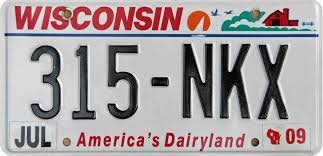
License plate lookup is a process that allows individuals and organizations to retrieve information associated with a specific vehicle’s license plate number. This practice serves various purposes and plays a significant role in numerous contexts such as identifying vehicle ownership, tracking down stolen vehicles, and performing background checks. In the digital age, license plate lookup tools have become increasingly accessible, enabling users to quickly obtain detailed information regarding vehicular histories.
One of the primary applications of license plate lookup is for verifying the ownership of a vehicle. Knowing the registered owner can provide peace of mind in situations such as buying or selling a used car, ensuring that the individual is dealing with a legitimate proprietor. Furthermore, it can mitigate potential risks related to purchasing stolen vehicles, as the lookup process can reveal any discrepancies in the vehicle’s history.
In addition to ownership verification, license plate lookup is instrumental in law enforcement and public safety. Law enforcement agencies utilize these tools to identify and recover stolen vehicles efficiently. When a vehicle is reported stolen, officers can access a database to determine its last known location or the identity of the owner, facilitating quicker recovery. Additionally, civil and criminal investigations often require background checks, where license plate information can yield critical insights into an individual’s driving history or past legal encounters.
In conclusion, the concept of license plate lookup encompasses a comprehensive array of applications that extend beyond mere identification of vehicle ownership. Its significance in aiding law enforcement, enhancing consumer protection, and providing essential data for background checks emphasizes its pivotal role in modern vehicle management and public safety.
How License Plate Lookup Works
License plate lookup is a systematic approach that allows individuals and organizations to retrieve registration information associated with a vehicle’s license plate number. The mechanics of this process rely on a combination of databases, technology, and the cooperation of various governmental agencies.
Initially, when a vehicle is registered, its information is stored in a database managed by the Department of Motor Vehicles (DMV) or its equivalent in different jurisdictions. This database includes a range of details such as the vehicle make, model, year, color, and the owner’s personal information. License plate lookup services tap into these databases via different mechanisms. Typically, they utilize automated search algorithms that scan the records based on the provided license plate number.
Various agencies contribute to the data pool utilized for license plate lookups. Law enforcement agencies, for example, can access real-time databases that monitor vehicle registrations, stolen cars, or outstanding violations. Moreover, many states provide online platforms where citizens can conduct their license plate checks. By entering the desired plate number, the user can access public records, subject to state regulations regarding privacy and data access.
Advanced technology such as Automatic License Plate Recognition (ALPR) further enhances the efficacy of license plate lookup processes. ALPR systems employ cameras and sophisticated software to rapidly read and interpret license plates, automatically storing data in a centralized database for later access. This technology aids both law enforcement and civilian inquiries, providing timely and relevant information concerning vehicle ownership.
In conclusion, the license plate lookup process combines several layers of technology and databases that work in concert to deliver accurate and timely information regarding vehicle registration. Understanding the mechanics behind this service is essential for those looking to utilize it effectively.
Legal Aspects of License Plate Lookup
The use of license plate lookup services carries significant legal implications that users must understand and navigate. At the forefront is the issue of privacy laws, which vary by jurisdiction. Many countries have enacted stringent regulations to protect personal information linked to vehicle registration, ensuring that such data is not misused or accessed without proper justification. In the United States, for example, the Driver’s Privacy Protection Act (DPPA) restricts the sharing of personally identifiable information derived from motor vehicle records, thus underscoring the importance of compliance when utilizing these services.
Furthermore, users of license plate lookup tools must be cautious about the intent behind their inquiries. The legal parameters typically dictate that such services can only be employed for legitimate purposes, such as investigating vehicle ownership issues, conducting background checks, or assisting law enforcement agencies. Accessing this information under false pretenses or for illicit reasons, such as stalking or harassing an individual, can result in severe legal consequences, including fines and potential criminal charges.
In addition to federal regulations, individual states might impose further restrictions on how license plate data can be obtained and utilized. It is essential for users to familiarize themselves with their local laws to ensure compliance before engaging in any form of lookup. Organizations offering these services are generally required to implement robust systems to verify user identity and the purpose of queries to mitigate misuse. As such, understanding one’s responsibilities when accessing and using license plate information is paramount to avoid legal ramifications.
Thus, it is critical for individuals considering a license plate lookup service to prioritize adherence to the relevant legal standards. By doing so, they not only protect themselves from potential legal pitfalls but also contribute to a culture of responsible data usage.
Benefits of Using License Plate Lookup Services
License plate lookup services provide an array of advantages that cater to diverse needs, whether for individuals, businesses, or law enforcement agencies. One of the primary benefits includes the ability to conduct thorough background checks on vehicles. When purchasing used cars, potential buyers can use these services to verify the history of the car, ensuring that they are not acquiring a vehicle with hidden issues such as accidents, salvage titles, or odometer fraud. This thorough vetting process ultimately aids buyers in making informed decisions.
For businesses, particularly those involved in automotive sales or fleet management, license plate lookup services prove invaluable. Companies can maintain accurate records and stay updated on their vehicle inventory by utilizing these tools. Moreover, companies can use the service for enforcement against parking violations or to track leased vehicles, thereby optimizing fleet operation efficiencies. It allows businesses to mitigate potential risks associated with vehicle ownership.
Law enforcement agencies benefit significantly from license plate lookup services as well. These tools assist in identifying suspects in criminal investigations or tracking stolen vehicles swiftly. In emergency situations, having access to a comprehensive vehicle database can be crucial, enabling officers to obtain registered owner information quickly. Furthermore, this capability enhances safety measures within communities, acting as a deterrent against vehicle-related crimes. All these factors contribute to promoting public safety and improving overall law enforcement capabilities.
In summary, the benefits of utilizing license plate lookup services are manifold, aiding individuals in making educated purchases, enhancing business operations, and empowering law enforcement in their essential duties. By integrating these services into their practices, all parties can contribute to a safer, more transparent environment for vehicle ownership and operation.
Different License Plate Lookup Services Available
In the digital era, numerous license plate lookup services have emerged, catering to a variety of needs and preferences. These platforms allow users to gather essential information about vehicles based on their license plates. Typically, services can be categorized into free and paid options, each with its distinct features and capabilities.
Free license plate lookup services often serve as an introduction to the world of vehicle identification. They allow users to access basic information like the vehicle make, model, and year. However, the data provided may be limited and often relies on a community-driven database. Users frequently report mixed experiences regarding accuracy, indicating that while these services may suffice for trivial queries, they often lack comprehensive information.
On the other hand, paid services offer a more in-depth experience, presenting detailed reports that may include the vehicle’s history, accident reports, and ownership details. Many of these sites utilize advanced algorithms and access extensive databases, prompting a more thorough and reliable lookup process. Some of these services charge a nominal fee, while others offer subscription models that may suit individuals who require regular access to detailed vehicle data.
When choosing between free and paid options, users must consider their specific needs. Casual users may find free services adequate for occasional searches, while businesses or individuals requiring detailed insights into vehicle histories may benefit from investing in a paid solution. Before relying on any service, it is advisable to review user testimonials and comparisons to ensure the chosen service aligns with one’s requirements and expectations.
Steps to Perform a License Plate Lookup
Performing a license plate lookup can be an essential process for many reasons, whether you are trying to identify the owner of a vehicle in a parking incident or checking the history of a car before purchase. Below is a comprehensive step-by-step guide to help you carry out a successful license plate lookup.
First, start by gathering as much information as you can about the vehicle in question. The primary detail required for a license plate lookup is the license plate number itself. If you have access to the vehicle, note the number down carefully. Additionally, any other details about the car, such as its make, model, and color, can aid in narrowing down the search results.
Next, choose the right license plate lookup service to use. There are numerous online resources available, ranging from free to paid services. The free platforms might offer limited information, while the premium options typically provide more comprehensive data. Research and compare services to find one that meets your needs, considering aspects such as user reviews, ease of use, and the specific data you are looking for.
Once you have selected a service, input the license plate number into the designated field. Some services may require additional information, like the state the vehicle is registered in, to facilitate an accurate search. Ensure that all submitted details are correct to maximize the accuracy of your results.
After submitting the information, analyze the lookup results presented. Depending on the service, you might access various records, including registration details, ownership history, and any reported incidents involving the vehicle. It is important to understand each piece of information thoroughly to draw appropriate conclusions.
Common Use Cases for License Plate Lookup
License plate lookup services have become increasingly popular due to their versatility in addressing various scenarios. One prevalent use case is in the context of accident investigations. For instance, when an accident occurs, determining liability can be crucial. An individual may rely on a license plate lookup to identify the registered owner of a vehicle involved in the mishap, facilitating communication with the insurance companies or law enforcement officials. This information can expedite investigations and assist in settling claims more efficiently.
Another relevant application of license plate lookup is during rental car checks. Rental companies frequently utilize such services to ensure that their vehicles are being returned in a timely manner and are not involved in any illegal activities. This prevents vehicle misuse and assists rental firms in tracking stolen vehicles or resolving disputes over rental agreements.
Additionally, license plate lookup can assist individuals seeking to reconnect with someone from their past. For instance, if one is trying to track down an ex-partner or a long-lost friend, conducting a lookup can provide crucial leads. While privacy concerns may arise, many jurisdictions allow the legal use of this information for personal matters, facilitating the search for acquaintances who may have changed addresses or contact details.
Moreover, license plate lookup services can be beneficial in cases of suspicious behavior or crime reporting. Citizens observing unusual activity can report a license plate number to law enforcement, leading to investigations or alerts about potential criminal activities in the area.
These examples underscore the diverse applications of license plate lookup, demonstrating its significance in personal, legal, and business contexts. As technology evolves, the accessibility and accuracy of these services continue to improve, making them invaluable tools for various users.
Protecting Your Privacy When Using License Plate Lookup
Engaging in a license plate lookup can unveil vital information; however, it is essential to prioritize personal privacy and data security throughout the process. With the rise of online services that offer vehicle registration and owner information, individuals must remain informed about the implications of sharing personal data while utilizing these tools. Understanding these considerations can significantly enhance one’s privacy protection.
First and foremost, users should select reputable services when conducting a license plate lookup. Many websites offer this service, but not all adhere to strict privacy policies or data protection regulations. It is advisable to choose a provider that explicitly states its commitment to safeguarding user information and has transparent privacy policies. Researching user reviews and feedback can further ensure that the platform chosen is recognized for maintaining privacy and security.
Additionally, it is prudent to limit the amount of personal information shared during the lookup process. Users should refrain from providing unnecessary details beyond what is required to access the information. This precaution reduces the chances of exposing sensitive data that could be misused.
Moreover, individuals who rely on license plate lookup services should be aware of the legal implications surrounding the use of such information. Misusing or sharing the gathered data without consent may lead to significant legal repercussions. In many jurisdictions, unauthorized dissemination of personal or vehicle information can result in penalties. Therefore, understanding local regulations regarding data usage is paramount.
Ultimately, by being vigilant and informed, individuals can effectively safeguard their privacy while utilizing license plate lookup services. Balancing the desire for information with the need for personal safety remains crucial in this digital age.
Conclusion and Final Thoughts on License Plate Lookup
Throughout this article, we have explored the various dimensions of license plate lookup services, emphasizing their utility in accessing critical vehicle information, enhancing public safety, and aiding in potential investigations. By simply inputting a vehicle’s license plate number, individuals can retrieve detailed ownership records, registration status, and even a vehicle’s history. This functionality highlights the evolving role of technology in fostering transparency and accountability on the roads.
However, it is equally vital to acknowledge the ethical considerations surrounding the use of such services. While the convenience of obtaining vehicle information can be advantageous, users must navigate the thin line between legitimate interest and invasive practices. Misuse of license plate lookup can lead not only to privacy violations but also to unwarranted confrontations and harassment. Thus, it is imperative for individuals to ensure that their intentions are justifiable and that they are adhering to applicable laws regarding privacy and information handling.
In addition to respecting personal boundaries, users are encouraged to contemplate the larger implications of data use in our society. As license plate lookup becomes increasingly accessible, the potential for misuse rises, underscoring the need for responsible behavior. Educating oneself about the legal frameworks, as well as the ethical ramifications of such inquiries, will contribute to a more respectful and informed approach toward utilizing these resources.
In conclusion, license plate lookup services present a powerful tool but must be approached with caution and consideration. Striking a balance between transparency and privacy is essential as we navigate this rapidly evolving digital landscape. By fostering an understanding of both their benefits and responsibilities, users can better contribute to a safer and more respectful community.
