


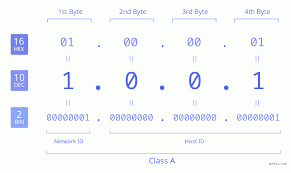
Introduction to 1.0.0.1
An Internet Protocol (IP) address is a unique numerical label assigned to each device connected to a network that uses the Internet Protocol for communication. It serves as an identifier for the device, enabling it to send and receive data across the network. Each IP address consists of a series of numbers separated by periods, with typical formats being IPv4, which uses four decimal numbers, and IPv6, which utilizes a more complex combination of eight groups of hexadecimal numbers. In this context, 1.0.0.1 is classified as an IPv4 address.
The IP address 1.0.0.1 is a public IP address, distinguishing it from private IP addresses which are used within local networks. Public IP addresses are routable on the internet, allowing devices that utilize such addresses to communicate broadly across different networks. The significance of 1.0.0.1 lies not only in its classification but also in its association with various networking tools and services, as well as its role in routing internet traffic efficiently.
Moreover, IP addresses like 1.0.0.1 are pivotal in the functioning of the Domain Name System (DNS), which translates human-readable domain names into IP addresses. This specific address has garnered attention from network analysts and cyber security professionals, as it can occasionally serve as both a source and a destination in the analysis of web traffic. Understanding the characteristics and functionalities of 1.0.0.1 enhances one’s insight into how data traverses the internet and the underlying technology that enables seamless connectivity.
The Importance of IP Addresses
Internet Protocol (IP) addresses serve as unique identifiers for devices connected to a network, playing a crucial role in facilitating communication within the digital landscape. Each device connected to the internet requires an IP address to send and receive data effectively. This uniqueness enables the identification of devices, ensuring that information reaches its intended destination among the myriad of connected units.
IP addresses come in two main versions: IPv4 and IPv6. The IPv4 protocol utilizes a 32-bit address scheme, allowing for approximately 4.3 billion unique addresses. With the increase in devices connected to the internet, the depletion of available IPv4 addresses has become a pressing issue. In response, the IPv6 protocol was developed, employing a 128-bit address system that can support an almost limitless number of unique addresses. This expansion is vital in accommodating the ever-growing number of internet-connected devices, from smartphones to smart appliances, facilitating smoother communication and connectivity.
Understanding the distinction between public and private IP addresses is also essential. Public IP addresses are assigned by the Internet Service Provider (ISP) and are visible on the internet. These are typically used by servers and websites to communicate with users. In contrast, private IP addresses are utilized within local networks, allowing devices to communicate with each other without directly exposing their addresses to the broader internet. This segregation of addresses enhances security and efficiency within private networks, illustrating the key role that IP addresses play in our digital interactions.
As such, grasping the fundamentals of IP addresses, including their types and significance, equips individuals and organizations with the knowledge necessary to navigate and optimize their internet connectivity effectively.
How 1.0.0.1 Fits into the IP Address Space
The IP address 1.0.0.1, while seemingly simplistic, holds unique significance within the vast landscape of IPv4 addresses. It belongs to the range defined under the Internet Protocol version 4 (IPv4), a protocol that has been instrumental in interlinking devices across the globe since its inception. The IPv4 space consists of approximately 4.3 billion addresses, each represented as a series of four octets, allowing for diverse configurations suitable for varied network capacities.
As one of the designated addresses from the broader IP address pool, 1.0.0.1 plays a role in how devices are identified and communicated with over the Internet. Specifically, this address is categorized within Class A of the IPv4 addressing scheme. Class A addresses are typically assigned to very large networks, which require a substantial number of host addresses. The subnet mask for Class A networks is traditionally 255.0.0.0, permitting over 16 million possible hosts, a necessary facet for expansive organizations or large ISPs.
Moreover, the allocation of 1.0.0.1 is overseen by the Internet Assigned Numbers Authority (IANA), which manages the distribution of IP addresses globally. Although it may not be as widely recognized as addresses hosting popular websites or services, its assignment to network infrastructure signifies its importance. This address can also be found in DNS configurations, further emphasizing its operational relevance in the network domain.
In the grand schema of the IPv4 address space, 1.0.0.1 serves as a reminder of the structured complexity behind Internet communication. Understanding where it fits helps clarify the mechanisms of network management and address allocation, ensuring efficient functionality across diverse systems and platforms.
Common Uses of 1.0.0.1
1.0.0.1 is a notable IP address that serves a variety of functions in the digital realm. It is often associated with local networking and troubleshooting scenarios. One significant aspect of its usage is its role as a DNS server address. Many internet service providers (ISPs) utilize 1.0.0.1 as a primary DNS, facilitating quick and efficient resolution of domain names to IP addresses. This enhances users’ browsing experience due to faster response times when accessing websites.
Furthermore, 1.0.0.1 can be observed in the context of network configurations, often employed in setups involving routers and other networking devices. Many households and businesses configure their devices to use 1.0.0.1 as a gateway address. This simplifies internal communications and network management. In corporate environments, the address may be used for network diagnostics, allowing system administrators to troubleshoot connectivity issues efficiently.
In governmental and military settings, 1.0.0.1 has also found applications in secure communications and information management systems. Its use in these environments underscores the importance of reliable IP addresses in critical operations. Moreover, some cloud services and VPN providers may also leverage this IP address to enhance security and operational resilience.
Real-life examples further illustrate the versatility of 1.0.0.1. For instance, users who experience slow internet speeds may be directed to altering their DNS settings to point to 1.0.0.1, resulting in improved performance. Additionally, consumers often utilize it to resolve issues related to internet connectivity, making 1.0.0.1 a familiar resource in both personal and professional contexts. Overall, its adaptability to various networking needs showcases its significance in the broader network infrastructure.
Accessing 1.0.0.1: Technical Overview
To access 1.0.0.1, a special IP address often used for network diagnostics, users can utilize a variety of tools and techniques. The most common method involves using the Command Prompt on Windows or the Terminal on macOS and Linux systems. This enables users to check connectivity with 1.0.0.1 through the ping command.
To ping 1.0.0.1, users should first open their Command Prompt or Terminal interface. In Windows, this can be done by typing “cmd” in the search bar and selecting the Command Prompt icon. Users should then type “ping 1.0.0.1” and press Enter. If the connection is successful, the user will receive responses indicating the time it took for each packet to reach the target IP. Similarly, on macOS or Linux, users can access the Terminal and execute the same command.
However, successful pings do not guarantee that the network or device associated with 1.0.0.1 is operating correctly. Users may encounter potential issues such as timeouts or unreachable networks. These may arise from incorrect router configurations, firewall restrictions, or even ISP-level filtering. If connectivity to 1.0.0.1 fails, users are encouraged to check their local network settings, routers, and firewalls, ensuring that they permit outbound and inbound connections to that IP.
Best practices include verifying that the network is functioning correctly before attempting a ping. Running diagnostics on local network connectivity and ensuring the correct IP address is being accessed are crucial. Additionally, leveraging tools such as traceroute can effectively assist in understanding the path data packets take to reach 1.0.0.1, helping identify any bottlenecks or failures along the route.
Security Considerations Related to 1.0.0.1
The IP address 1.0.0.1 is primarily known as a DNS resolver provided by some internet service providers (ISPs) and is utilized for managing domain name system requests. While its usage is generally benign, there are specific security considerations associated with its utilization that users should be aware of.
One of the potential vulnerabilities linked to using 1.0.0.1 or similar IP addresses involves the risk of IP spoofing. This refers to the malicious practice wherein a cybercriminal impersonates another IP address, thereby masking their identity while conducting illicit activities. This can lead to various attacks, including phishing scams or the silent interception of communications. To mitigate such risks, it is prudent to regularly monitor network traffic and employ robust security solutions like firewalls that can help detect irregularities.
Verification of IP address integrity plays a crucial role in maintaining security. Users interacting with 1.0.0.1 should ensure they are connecting to a legitimate DNS server. Malicious entities may set up fake DNS resolvers to manipulate user traffic and siphon personal information. Therefore, individuals should consider using reputable DNS services, preferably with added security features such as DNSSEC (Domain Name System Security Extensions), which provides an additional layer of verification.
Furthermore, implementing a combination of strong passwords and multi-factor authentication for devices connected to the internet can significantly bolster security when accessing services that utilize 1.0.0.1. Regular updates to software and hardware can help close security loopholes that adversaries might exploit. By following these guidelines, users can interact with 1.0.0.1 while maintaining adequate security levels against associated threats.
Troubleshooting Connection Issues with 1.0.0.1
When utilizing the IP address 1.0.0.1, users frequently encounter various connectivity issues that may hinder their internet experience. These problems can arise due to incorrect network configurations, insufficient device compatibility, or even temporary hardware malfunctions. Understanding the symptoms of these issues is essential for effective troubleshooting.
Common symptoms include an inability to connect to the internet, lagging connection speeds, and intermittent drops in connectivity. Users might also face difficulties when attempting to access a web-based interface at 1.0.0.1, commonly associated with certain router models as a default gateway. Addressing these issues typically begins with a thorough check of the network settings and device configurations.
The first step in troubleshooting is to confirm that the device is properly connected to the network. This involves verifying physical connections and ensuring that the correct wireless network is being accessed. Once the connection is confirmed, users should check their device’s IP settings, ensuring that the device is set to obtain an IP address automatically, which is often the default configuration.
Another crucial aspect is to ensure that the router or modem is functioning correctly. Restarting the device can resolve temporary glitches that may be causing connectivity issues. If the issues persist, users should consider checking firmware updates for their router, as out-of-date firmware can lead to performance problems.
In instances where these basic troubleshooting steps do not rectify the issue, it may be beneficial to review device compatibility. Certain devices may not fully support 1.0.0.1 or may require specific network configurations. If compatibility persists as a concern, consulting the device’s manual or manufacturer support can provide tailored guidance for resolving connectivity issues.
Comparing 1.0.0.1 with Other IP Addresses
In the realm of networking, the interpretation and utilization of IP addresses are crucial for establishing effective communication among devices. The IP address 1.0.0.1 is often recognized for its uniqueness and significance, particularly in the context of Internet Protocol (IP) networking. To understand its role, it is beneficial to compare it with other notable IP addresses.
For instance, 192.168.1.1 is a commonly used private IP address in home networks. Typically assigned to routers, this address allows devices within a local network to communicate with one another and the internet. Contrastingly, 1.0.0.1 is a public IP address that is often utilized by Internet service providers. The distinction lies in their application—while 192.168.1.1 enables internal network operations, 1.0.0.1 serves external connectivity, making it integral for broader communication.
Another address of interest is 127.0.0.1, known as the loopback address. This IP is essential for testing and troubleshooting network applications, allowing devices to send and receive signals back to themselves without needing external connectivity. While both 1.0.0.1 and 127.0.0.1 facilitate network communication, their applications diverge significantly, spotlighting the specific functionality of each address.
Moreover, IP address ranges, like those associated with Class A, B, or C, provide additional context regarding address allocation and usage. The class designation influences the number of available addresses in a particular range and their intended use, whether for large networks, medium-sized corporations, or smaller installations. In summary, while 1.0.0.1 stands out for its distinctive role in global IP assignments, contrasting it with addresses like 192.168.1.1 and 127.0.0.1 elucidates the diverse landscape of IP address functionalities.
Conclusion: Reflecting on 1.0.0.1
In summary, the discussion surrounding the IP address 1.0.0.1 has highlighted its unique standing in the realm of networking. As one of the many IP addresses, 1.0.0.1 is often utilized as a DNS server, playing a vital role in the smooth functioning of internet connectivity. It facilitates domain name resolution, ensuring that users are directed to the correct online destinations. This functionality underscores the importance of IP addresses in our daily digital interactions.
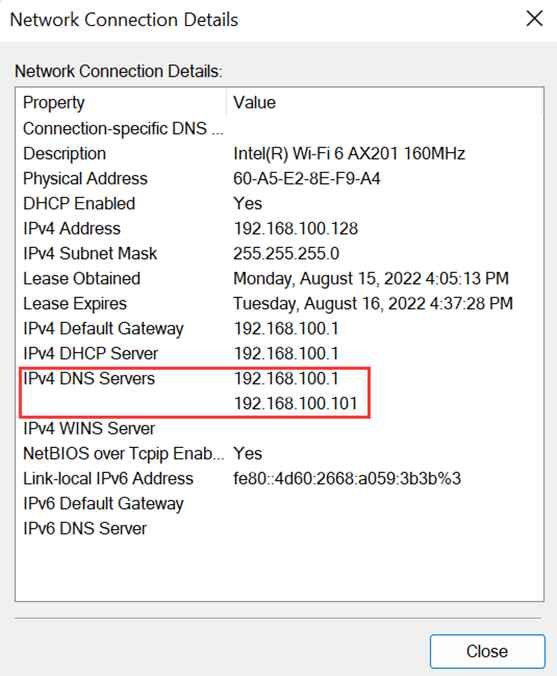
Throughout the article, we have explored various aspects of 1.0.0.1, including its operational framework and significance in the broader context of networking. From the technical mechanisms at play to the practical applications of such an IP address, it is evident that understanding these systems is paramount for both individuals and organizations alike.
Furthermore, it is essential to recognize the foundational role that IP addresses like 1.0.0.1 play in shaping our online experiences. As the digital landscape continues to evolve, knowledge about IP protocols, DNS services, and their interplay will become increasingly crucial. Thus, we encourage readers to delve deeper into the subject of IP addresses, appreciating not only their functionality but also their significance in maintaining efficient network operations.
By fostering a greater understanding of these concepts, individuals can enhance their digital literacy and engage more effectively with technology. Exploring more about 1.0.0.1 and similar IP addresses will undoubtedly yield insights into the ever-complex world of networking.
