


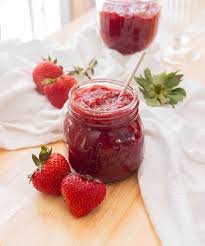
Introduction to Strawberry Jam
Strawberry jam is a cherished preserve made by cooking fresh strawberries with sugar and pectin, resulting in a sweet and flavorful spread. Known for its vibrant red color and luscious texture, strawberry jam has a storied history that dates back centuries. Initially crafted as a method of preservation, it allowed people to enjoy the taste of strawberries long after the season had ended, thus extending its culinary use throughout the year.
Throughout its evolution, strawberry jam has become a beloved staple in many households around the world. Its versatility is remarkable; it is commonly enjoyed as a topping on toast, biscuits, or pancakes. In addition, strawberry jam serves as a delightful filling for pastries, cakes, and even ice cream, making it an indispensable ingredient in various dessert recipes. The sweet and slightly tart flavor profile of strawberries complements a wide range of dishes, enhancing both breakfast spreads and sophisticated desserts alike.
The process of making strawberry jam has also evolved, with many opting for homemade versions to control ingredients and flavor intensity. This artisanal approach not only preserves freshness but also allows for customizations, such as adding herbs or spices for a unique twist. Furthermore, the accessibility of strawberries, especially during peak season, encourages enthusiasts to engage in this rewarding culinary activity.
In modern times, the popularity of strawberry jam continues to flourish, ensuring that this preserve remains a favorite among many. Whether used in traditional recipes or innovative culinary creations, strawberry jam retains its status as a symbol of summer’s bounty and the joy of preserving nature’s sweet gifts.
Selecting the Best Strawberries
When it comes to making delicious strawberry jam, the selection of strawberries is a crucial step that can greatly influence the final flavor and texture of the preserve. Choosing the right strawberries ensures that the jam is not only sweet but also bursting with the fruit’s natural taste. For optimal results, look for strawberries that exhibit specific characteristics.
First and foremost, the best strawberries should be bright red and evenly colored, indicating that they are ripe and have reached their full flavor potential. Avoid strawberries with white or green patches, as these areas suggest that the fruit is not fully matured. Additionally, choose strawberries that are firm to the touch; soft or mushy fruit may indicate overripeness and could negatively impact the quality of your jam.
Another important feature to consider is aroma. Strawberries that are fragrant often possess a rich and sweet flavor, making them ideal for jam-making. Furthermore, inspect the strawberries for any signs of blemishes or mold, which can affect the freshness and preservation of the jam. Select strawberries that are free of bruises, as damaged fruit can lead to spoilage.
When shopping for strawberries, whether at a local market or a pick-your-own farm, it’s advisable to inquire about the variety of strawberries available. Different varieties possess varying levels of sweetness and acidity, which can dramatically influence your jam. For example, varieties such as ‘June-bearing’ or ‘Ever-bearing’ are often favored for their sweetness and yield. If possible, engage with the grower to understand the best picks for making strawberry jam.
In summary, selecting the best strawberries requires attention to color, firmness, aroma, and the absence of blemishes. By focusing on these characteristics and seeking knowledgeable sources, you can ensure that your strawberry jam is as delicious as it can be.
Basic Strawberry Jam Recipe
Making strawberry jam at home is a delightful way to preserve the sweet, juicy flavor of fresh strawberries. This classic strawberry jam recipe is straightforward and requires minimal ingredients and equipment.
Ingredients:
- 4 cups of fresh strawberries, hulled and crushed
- 1 cup of granulated sugar
- 2 tablespoons of lemon juice
- 1 package (1.75 ounces) of fruit pectin (optional for thicker jam)
Equipment:
- Large mixing bowl
- Pot for cooking the jam
- Wooden spoon for stirring
- Canning jars and lids
- Canning pot or large pot with a rack
- Funnel (optional, for filling jars)
- Jar lifter (helpful for hot jars)
Method:
- Begin by preparing your jars. Wash them in hot, soapy water, or run them through a dishwasher cycle. Place them in a warm oven to keep them hot for filling.
- In a large mixing bowl, mash the strawberries with a fork or potato masher until they reach your desired consistency. If you prefer a smoother jam, blend them slightly.
- Add the sugar and lemon juice to the crushed strawberries. Stir well and let the mixture stand for about 10 minutes, allowing the sugar to dissolve and the flavors to meld.
- Transfer the strawberry mixture to a pot and bring it to a rolling boil over medium heat. If you are using fruit pectin, add it now and stir constantly. Boil for 10-15 minutes, or until the jam reaches your desired thickness, stirring frequently.
- To test the jam’s consistency, place a small spoonful on a cold plate. If it holds its shape and feels thick, it’s ready for canning.
- Once done, pour the hot jam into prepared jars, filling them to about a quarter-inch from the top. Wipe the rims with a clean cloth to remove any residue, then seal with sterilized lids.
- Process the jars in a boiling water bath for about 10 minutes to ensure proper sealing. After processing, remove the jars and let them cool completely on a clean towel or cooling rack.
- Once cool, check that the jars are sealed by pressing down in the center of the lid. If it pops back, the jar is not sealed and should be refrigerated immediately.
This homemade strawberry jam can be stored in a cool, dark place for up to a year. Enjoy it on toast, in desserts, or as a delightful addition to breakfast for an authentic taste of summer.
Variations of Strawberry Jam
Strawberry jam is a classic preserve that many enjoy, but its versatility allows for numerous delicious variations that can enhance its flavor profile. By adding ingredients such as herbs, spices, or other fruits, one can create unique blends that elevate the traditional strawberry jam experience. Below, we explore some exciting variations to consider.
One popular variation is strawberry mint jam. The refreshing notes of mint provide an aromatic twist to the sweetness of strawberries. To make this, simply prepare your regular strawberry jam by mashing fresh strawberries with sugar and lemon juice. Just before you seal the jars, stir in finely chopped fresh mint leaves. This infusion allows the mint flavor to meld beautifully without overpowering the natural taste of the strawberries.
Another interesting option is strawberry balsamic jam. The tartness of balsamic vinegar complements the sweetness of strawberries remarkably well. To create this, use the same strawberry jam base, but include a couple of tablespoons of good-quality balsamic vinegar. This will impart a rich depth to the flavor, making it an excellent accompaniment to cheeses or as a glaze for roasted meats.
For those who appreciate a more fruity experience, consider making strawberry peach jam. Combine equal parts of ripe strawberries and diced peaches for a delightful summer spread. The preparation remains the same as traditional jam; just ensure that both fruits are mashed and cooked down until they reach a thick, spreadable consistency.
Lastly, try a strawberry lemon basil jam for a zesty and herbal flavor. Add lemon zest and fresh basil leaves to your strawberry jam mix. The citrus and herbal components can create a refreshing combination, perfect for summer breakfasts or desserts.
These variations of strawberry jam allow you to experiment and enhance your culinary creations, ensuring your preserves are never dull. Adjust the quantity of added ingredients to suit your taste, and enjoy the sweet rewards of your creativity.
Common Mistakes and How to Avoid Them
Making strawberry jam can be an enjoyable and rewarding experience; however, there are several common mistakes that can detract from the final product. Understanding these pitfalls is essential for anyone looking to master the art of jam-making. One of the most prevalent issues is improper gelling. This can occur if you do not use the appropriate ratio of sugar to fruit. It is crucial to follow a reliable recipe that specifies the right amounts. Additionally, ensuring that the strawberries are ripe and fresh will enhance the gelling process. If the fruit is under ripe, it may not contain enough natural pectin.
Another common error made by novice jam makers is overcooking the mixture. When strawberries are cooked too long, not only does the flavor become overly concentrated, but the color may also darken, resulting in an unappealing final product. The best approach is to closely monitor the cooking time and to use a thermometer to gauge the temperature. Aim for the jam to reach around 220°F, which is the optimal point for achieving a perfect consistency.
Sanitization is another critical aspect that should not be overlooked. Failing to properly sterilize jars can lead to contamination and spoilage. Making sure that your jars and lids are cleaned thoroughly and sterilized before use is essential for the preservation of your jam. You can achieve this by placing them in boiling water for several minutes or running them through a dishwasher cycle. By attending to these common mistakes—improper gelling, overcooking, and lack of sanitization—you increase your chances of creating delicious and safe strawberry jam that is sure to be a favorite among your family and friends. Careful preparation and attention to detail will elevate your jam-making skills and result in a scrumptious treat.
Preserving Your Strawberry Jam
Successfully preserving strawberry jam is crucial for maintaining its flavor and quality over time. There are various methods to ensure that your homemade jam can remain safe for consumption while maximizing its shelf life. Two primary techniques include water bath canning and refrigeration.
Water bath canning is a popular method for preserving a variety of fruit jams, including strawberry jam. This technique involves sealing the jam in jars and submerging them in boiling water for a specified period. By doing so, the high temperature kills any bacteria and creates a vacuum seal, preventing air from entering the jars. When properly executed, water bath canned strawberry jam can last for up to one year when stored in a cool, dark place. It’s essential to ensure that your jars and lids are sterilized before use to further enhance their longevity.
For those who prefer a simpler method, refrigeration is an excellent option for preserving strawberry jam. Once cooled, the jam can be stored in a clean, airtight container in the refrigerator. This method allows for easy access and consumption within a shorter time frame. Typically, refrigerated strawberry jam can last for about three weeks, making it ideal for those who make small batches or wish to enjoy the jam while fresh.
Regardless of the preservation method you choose, optimal storage conditions are vital. Store your strawberry jam in a clean, dark space, away from direct sunlight and heat sources, which can degrade the quality over time. By adhering to these preservation techniques and mindful storage practices, you can savor the rich, sweet taste of strawberry jam long after its initial preparation.
Creative Uses for Strawberry Jam
Strawberry jam is not merely a delightful addition to your morning toast; its versatility extends far beyond that. With its vibrant flavor and rich sweetness, strawberry jam can enhance various dishes and beverages, making it a staple in any well-stocked kitchen. One of the first creative uses of strawberry jam is in baked goods. Whether added to muffins for an unexpected burst of flavor, swirled into brownies for a fruity twist, or used as a filling in pastries, strawberry jam can elevate desserts to new heights.
Another innovative application is utilizing strawberry jam in sauces and dressings. For a gourmet touch, consider crafting a strawberry-based vinaigrette. Blending the jam with balsamic vinegar, olive oil, and a pinch of salt yields a sweet yet tangy dressing that pairs excellently with mixed greens or grilled chicken. Similarly, combining the jam with soy sauce and ginger creates a delicious glaze for meats like pork or salmon, infusing dishes with a unique flavor profile.
Furthermore, strawberry jam can be integrated into cocktails, providing a refreshing twist to your beverage repertoire. Mixing it into a classic mojito instead of sugar or muddled fruit adds both sweetness and a beautiful color. Alternatively, blending strawberry jam into a creamy milkshake or smoothie can enhance the drink’s flavor and texture, creating an indulgent treat perfect for warm days.
In addition to these uses, strawberry jam can also be used to enhance cheeses in a cheese platter or as a topping for yogurt and oatmeal, adding both flavor and visual appeal. Overall, the creative possibilities with strawberry jam are vast, encouraging culinary experimentation in both savory and sweet dishes.
Health Benefits of Strawberries
Strawberries are not only delicious but also packed with numerous health benefits, making them a popular choice for both health-conscious individuals and culinary enthusiasts alike. These vibrant red berries belong to the family of fruits that are low in calories yet high in essential nutrients. A single serving of strawberries provides substantial amounts of vitamins, minerals, and beneficial phytochemicals.
One of the most notable nutritional benefits of strawberries is their rich vitamin C content. This essential vitamin plays a crucial role in boosting the immune system, promoting collagen production, and acting as a powerful antioxidant. In fact, just one cup of sliced strawberries can provide more than 100% of the daily recommended intake of vitamin C. Additionally, they are a good source of folate, which is vital in the production of red blood cells and the formation of DNA, making it especially important during pregnancy.
Strawberries are also rich in antioxidants, such as anthocyanins, ellagic acid, and quercetin. These compounds help combat oxidative stress by neutralizing free radicals in the body, thereby reducing the risk of chronic diseases such as heart disease, diabetes, and certain cancers. The anti-inflammatory properties found in strawberries further contribute to their health benefits, as they may help lower inflammation levels and improve overall cardiovascular health.
Another noteworthy aspect of strawberries is their fiber content, which aids in digestion and promotes gut health. A diet rich in fiber can also help regulate blood sugar levels and lower cholesterol. Moreover, strawberries have a low glycemic index, making them a suitable fruit option for individuals monitoring their blood sugar levels.
Incorporating strawberries into your daily diet may help improve overall health while providing a delightful taste. Enjoying them fresh, in desserts, or as part of homemade strawberry jam can be an enjoyable way to reap their numerous health benefits.
Conclusion
Homemade strawberry jam is not just a delectable spread; it represents a cherished tradition of preserving the vibrant flavors of the fruit. As we have explored throughout this guide, the process of making strawberry jam offers numerous benefits beyond the final product. Crafting it at home allows for complete control over the ingredients, empowering you to tailor the sweetness and texture to your personal preference. It is a creative endeavor that turns ripe strawberries into a delightful preserve, perfect for enhancing breakfast dishes, desserts, or even as an ingredient in savory recipes.
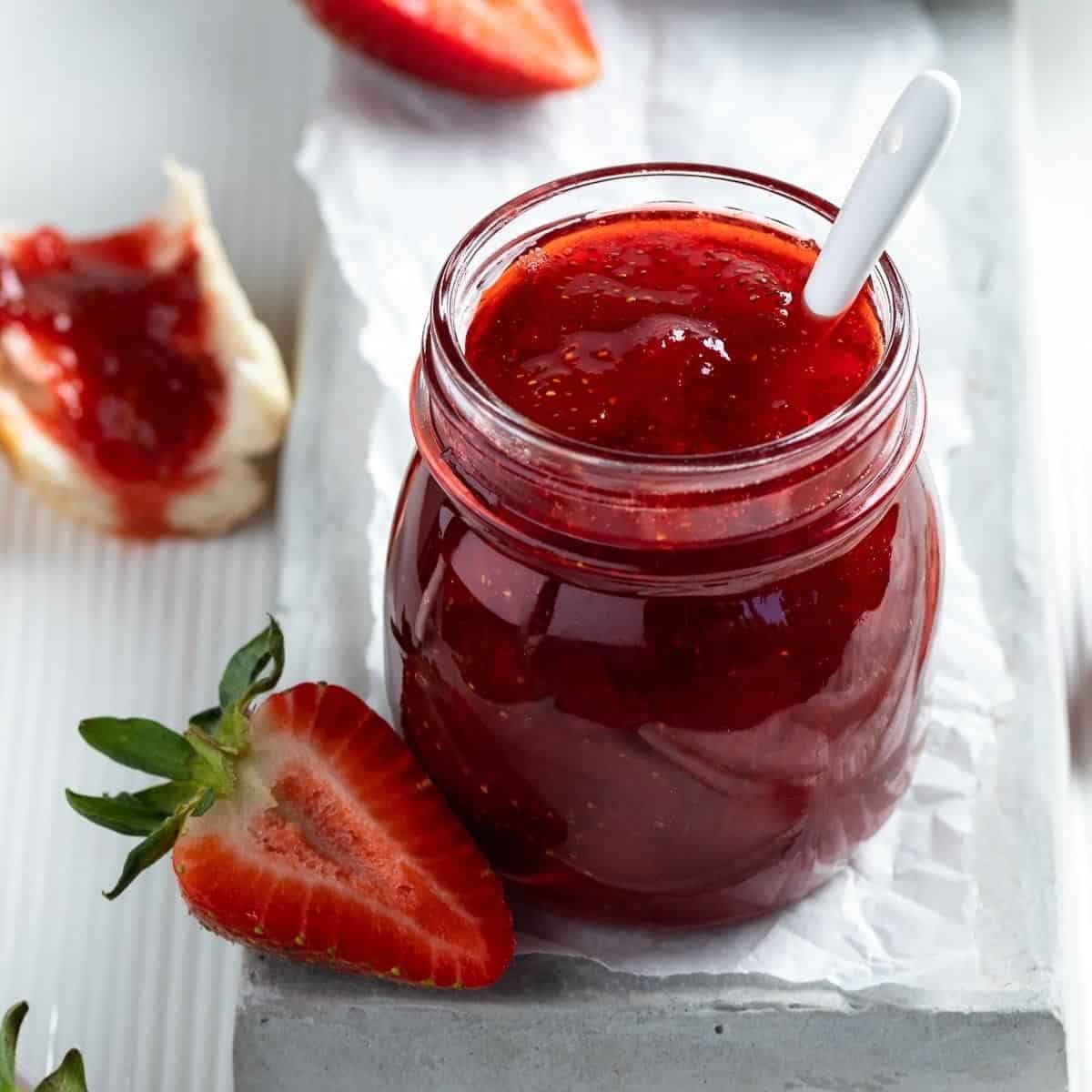
The simplicity and accessibility of making strawberry jam enable anyone to embark on this culinary adventure. You do not need to be an experienced cook to succeed; with the right ingredients and a straightforward recipe, the joy of homemade jam is within your reach. By setting aside a little time to prepare your own strawberry jam, you can rediscover the unmatched taste of fresh strawberries in a jar. And, in doing so, you foster a deeper appreciation for the art of canning and preserving seasonal fruits.
Moreover, the satisfaction derived from seeing your hard work transform into a tantalizing treat is truly rewarding. Each jar of strawberry jam can evoke memories of summer days spent picking strawberries or enjoying toast with family and friends. So, we encourage you to delve into this rewarding experience and provide the timeless gift of homemade strawberry jam to yourself and loved ones. Your taste buds—and your kitchen—will thank you for it.
