


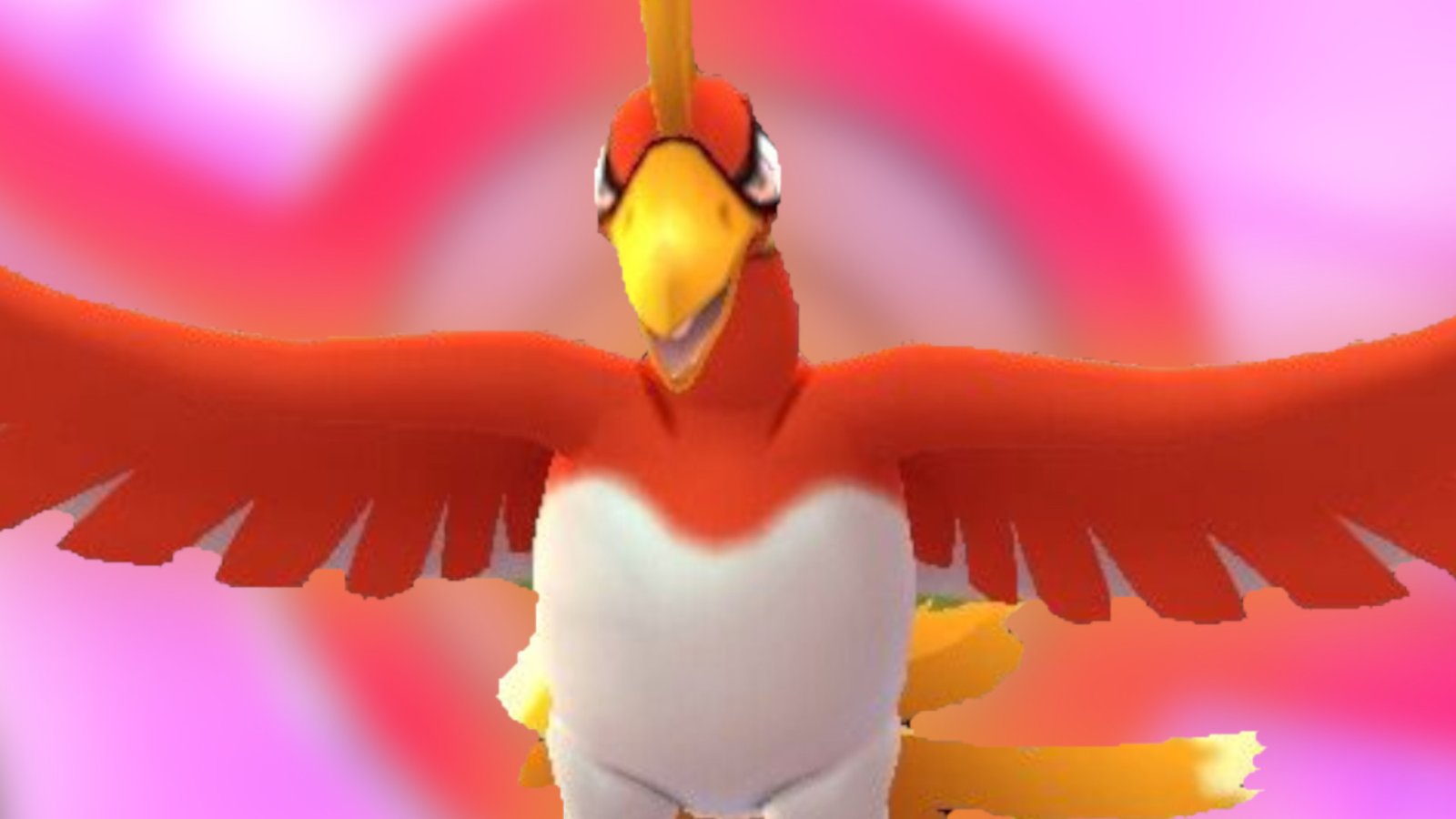
Introduction to Ho-Oh
Ho-Oh is a pivotal figure in Pokémon lore, representing themes of rebirth and the integral balance of nature. As a Legendary Pokémon, first appeared in the second generation of Pokémon games, specifically in the titles Pokémon Gold and Silver. This majestic bird is characterized by its vibrant plumage, which features hues of red, green, and gold, reminiscent of a phoenix. Its design and abilities resonate with various elements of mythology and convey a sense of wisdom and power.
In the expansive Pokémon universe, Ho-Oh embodies eternal life and renewal, symbolizing the cycle of life and death. This Legendary Pokémon is often depicted as a guardian of the skies, and its presence is said to bring hope and rejuvenation to the world. The lore surroundingincludes references to its ability to resurrect the deceased, which underlines its significance as a mythical creature within the franchise.
In the Pokémon games,plays a critical role, often appearing as a rare encounter that players strive to capture. Its attributes, such as its Flying and Fire-type characteristics, allow it to perform some powerful moves, making it a formidable asset in battles. Within the Pokémon anime, is prominently featured, serving as an elusive figure that often represents the dreams and aspirations of characters, particularly Ash Ketchum. Its iconic appearance in the very first episode of the anime cements its status as a symbol of mystery and adventure in the Pokémon world.
The Mythological Background of Ho-Oh
the iconic Pokémon, draws significant inspiration from various mythologies worldwide, particularly from the image of the Phoenix, a creature regarded in various cultures as a symbol of rebirth, immortality, and renewal. The Phoenix is often depicted as a magnificent bird that bursts into flames upon death, only to be reborn from its ashes, thus embodying the cyclical nature of life and existence. This association is central to thematic representation in the Pokémon universe.
In addition to the Phoenix, bears resemblance to other mythological birds across cultures, such as the Fenghuang in Chinese mythology, which symbolizes high virtue and grace, and often represents both the male and female principles. Similarly, in Indian mythology, the Garuda is a powerful and benevolent bird that serves as the mount of Lord Vishnu and represents wisdom and strength. These mythological parallels highlight the universal significance of birds as symbols of transformation and divine connections.
The cultural significance of these mythological birds enhances role within the Pokémon narrative. Particularly, embodies the themes of hope and perseverance, echoing the belief that death is not the end but rather a transformation into something greater. This idea resonates deeply within various cultural contexts, serving as both an inspiration and a source of comfort to many. As such, Ho-Oh becomes more than just a creature of fantasy; it represents the enduring human spirit and the cyclical journey of life. The mythos surrounding perfectly encapsulates the timeless themes of mythology, bridging cultural gaps and emphasizing the shared human experience of rebirth and immortality.
Ho-Oh in Pokémon Games
the Flame Pokémon, first graced the Pokémon universe in the iconic Pokémon Gold and Silver games, where it captivated players with its stunning design and powerful abilities. This legendary Pokémon is known for its ability to resurrect the dead, which ties closely to its lore. In terms of gameplay, exhibits impressive base stats, most notably its high Special Attack and Special Defense, making it a formidable competitor in battles.
possesses the unique ability, Regenerator, which allows it to recover a third of its maximum HP when switched out of battle. This regenerative capability not only enhances its survivability but also encourages strategic gameplay, particularly in competitive environments where managing HP is crucial. Its dual typing of Fire and Flying bestows both advantages and weaknesses in battles. Its Fire typing grants immunity to burn and resistance to most bug, steel, ice, and fairy moves, while its Flying type provides valuable immunities to ground-type attacks.
Across various titles, including Pokémon HeartGold and SoulSilver, appearances have only solidified its status as a fan-favorite. In these remakes, players encounter in the Bell Tower, surrounded by lore that encourages capturing this majestic being. When devising strategies for capturing it’s recommended to prepare with battle equipment like Ultra Balls and status-inducing moves to improve catch rates.
In battle,can utilize moves such as Brave Bird and Fire Blast, which capitalize on its high Special Attack. More recently, in Pokémon Sword and Shield, it continues to shine as a powerful force. With its strong move set and versatility, remains an essential addition to any trainer’s roster, providing both aesthetic value and competitive edge.
The Role of Ho-Oh in the Pokémon Anime
In the expansive world of Pokémon, occupies a pivotal position within the anime series. First introduced in the very first episode, “Pokémon – I Choose You!”, sets the tone for Ash Ketchum’s quest. The iconic scene where Ash glimpses this majestic creature soaring across the sky symbolizes hope and aspiration, serving as a driving force behind Ash’s determination to become a Pokémon Master.
Throughout the series, presence is subtly interwoven into Ash’s journey. It serves not only as a source of inspiration but also as a representation of Ash’s own growth and development. The moment when Ash first encounters creates a framework for his future challenges and successes, symbolizing the enduring nature of dreams and the tenacity required to achieve them.
Another notable episode featuring is “The Battle of the Badge,” where its mythical qualities underscore the significance of Ho-Oh within the Pokémon universe. Here, Ho-Oh embodies themes of perseverance and resilience, mirroring Ash’s struggles and victories throughout the series. Moreover, the recurring motif of Ho-Oh can also be seen in the positioning of the Legendary Pokémon as an emblem of Ash’s ambition, often serving as a motivating factor during more challenging episodes.
In essence, role extends beyond mere appearances; it significantly influences Ash’s character development and the overarching narrative of the Pokémon anime. Its elusive nature represents the distant goals Ash strives to achieve, ultimately shaping his journey as a whole. As the anime progresses, Ho-Oh’s symbolic importance persists, reminding viewers of the dreams that inspire characters to persevere against the odds.
Ho-Oh’s Impact on Pokémon Culture
the majestic Legendary Pokémon, has carved a substantial niche within the expansive realm of Pokémon culture. First introduced in the second generation of the franchise, has become more than just a character; it embodies the themes of hope, rebirth, and perseverance. This connection resonates deeply with fans, fostering a sense of belonging and community that extends beyond the gameplay itself.
Fan art featuring is ubiquitous across various platforms, showcasing the creativity and passion of the Pokémon community. Artists frequently draw inspiration from vibrant colors and symbolic significance, translating these elements into stunning visual representations. This fan-generated content often elicits admiration and discussion, thus further solidifying Ho-Oh’s status as a cultural icon. Platforms like DeviantArt, Tumblr, and Instagram continue to host a flourishing environment where fans share their artistic interpretations, deepening their connection with the franchise.
Moreover, Ho-Oh has significantly influenced the merchandise landscape associated with Pokémon. From collectible figurines to apparel and accessories, the image of appears on a variety of products, allowing fans to express their admiration for this iconic Pokémon in everyday life. The presence of Ho-Oh in Pokémon TCG (Trading Card Game) expansions further solidifies its cultural significance, as collectors revere cards featuring Ho-Oh for their lore and aesthetics.
Within fan communities, often serves as a conversation starter, with discussions ranging from its lore to its impact on gameplay mechanics. Many players share personal stories regarding their encounters with in various Pokémon titles, illustrating how this character shapes their gaming experiences. Consequently, Ho-Oh’s influence transcends mere aesthetics, permeating the very fabric of fandom through art, discussion, and shared experiences. Its legacy continues to thrive, making it an enduring symbol within the Pokémon franchise.
Strategies and Tips for Battling with Ho-Oh
Ho-Oh, in the Pokémon franchise, is a Legendary Pokémon known for its impressive offensive and defensive abilities. When considering strategies for utilizing Ho-Oh in battles, it is crucial to recognize both its strengths and weaknesses. Ho-Oh possesses a unique typing of Fire and Flying, granting it several advantages. Its resistance to Bug, Steel, Fairy, Fire, and Grass-type moves allows it to withstand a variety of attacks, making it a formidable opponent.
To build an effective team around Ho-Oh, one must consider Pokémon that can cover its inherent weaknesses. Ho-Oh is vulnerable to Electric, Rock, and Water-type moves; therefore, incorporating Pokémon that can absorb these hits, such as those with Water or Ground types, is advisable. Pokémon like Gyarados or Gastrodon can effectively switch in to protect Ho-Oh from these threats while also providing synergy through coverage moves.
In competitive play, it is vital to maximize Ho-Oh’s strengths. Utilizing moves like Sacred Fire not only unleashes powerful Fire-type attacks, but it also has a chance to inflict burn, which can cripple physical attackers. Additionally, it is recommended to equip Ho-Oh with items that enhance its overall durability, such as Leftovers or Assault Vest. These items will boost Ho-Oh’s staying power in battle, allowing it to deal consistent damage over time. Moreover, considering its movepool, Ho-Oh can also benefit from moves like Roost or Calm Mind, enhancing its longevity or special stat potential.
Finally, proper positioning during battles is crucial. Understand and anticipate the opposing team’s threats, and use Ho-Oh strategically to pivot and capitalize on advantageous situations. By recognizing when to attack, when to switch, and how to use status moves, trainers can truly harness Ho-Oh’s legendary prowess in battle, ensuring a competitive edge in Pokémon encounters.
Fan Theories Surrounding Ho-Oh
Since its introduction in the Pokémon series, Ho-Oh has captivated fans with its majestic appearance and rich lore. As a Legendary Pokémon, it carries with it a host of theories and interpretations, each delving into the possible meanings behind its existence. One of the most prominent fan theories postulates that Ho-Oh is a representation of the cycle of life and death, often associated with rebirth and resurrection. This interpretation stems from its connection to the legendary tales within the Pokémon universe, particularly the story of the burned tower, wherein Ho-Oh was said to resurrect the three Legendary Beasts.
Another intriguing theory suggests that Ho-Oh’s design and references to various mythologies indicate its role as a guardian of the skies. Some fans draw parallels between Ho-Oh and real-world mythological beings such as the phoenix from various cultures, which symbolizes renewal and immortality. This association raises questions about the possible connections Ho-Oh has with other Pokémon, as its relationship with various Legendary creatures could signify a deeper narrative thread in the Pokémon franchise.
Additionally, speculations about Ho-Oh’s future in upcoming Pokémon games have circulated widely among enthusiasts. With the recent focus on the lore of past Legendary Pokémon in the narratives of new titles, there is increased curiosity about how Ho-Oh might be integrated into future stories. Could it serve as a central character in a new game, possibly involving the themes of time and rebirth? Could we see new forms or evolutions that explore its mythological significance? As fans eagerly anticipate developments from Game Freak, these theories ignite discussions about Ho-Oh’s potential evolution within the larger Pokémon mythos.
Ultimately, fan theories surrounding Ho-Oh not only enrich our understanding of this Legendary Pokémon but also spark our curiosity about the continuity of its story in future Pokémon titles. What new dimensions might Ho-Oh explore in the ever-expanding world of Pokémon?
Collectible Ho-Oh Merchandise
Ho-Oh, the majestic phoenix Pokémon, has inspired a vast array of collectibles and merchandise that appeal to fans around the globe. These items not only celebrate the legendary creature but also strengthen the bond within the Pokémon community. Among the most popular types of merchandise featuring Ho-Oh are toys, trading cards, clothing, and other collectibles.
Action figures and plush toys of Ho-Oh bring the character to life, allowing fans to display their admiration in their homes. These figurines often capture the intricate details of Ho-Oh’s design, including its vibrant colors and majestic wings. Makers frequently release limited-edition pieces that become highly sought after, enhancing their value in the collectors’ market.
Trading card games have also embraced Ho-Oh, with numerous versions appearing in various sets over the years. The Ho-Oh cards are not only prized for their in-game utility but also for their artwork, which often showcases different artistic interpretations of the legendary bird. Card collectors frequently seek out rare versions and holographic prints, making them an essential component of Poké-collecting culture.
Apparel featuring Ho-Oh showcases the fandom’s creativity, with t-shirts, hoodies, and hats adorned with the iconic bird. These items allow fans to express their love for Pokémon in everyday life. Special collaborations with fashion brands have produced unique designs that cater to both avid gamers and casual fans, widening the audience and making the merchandise universally appealing.
The accessibility and variety of Ho-Oh merchandise significantly contribute to the ongoing popularity of this legendary Pokémon. Whether it’s through toys that spark imagination, collectible cards that engage strategy, or fashionable clothing that expresses devotion, Ho-Oh merchandise continues to enchant new generations, reinforcing the magical legacy of this iconic creature.
Conclusion: The Legacy of Ho-Oh
Ho-Oh, with its vibrant colors and enduring mythology, has secured a prominent place in the Pokémon franchise. Its introduction in the Johto region not only marked a pivotal moment in the series but also symbolized a deeper connection to themes of hope, rebirth, and the cyclic nature of life. A Pokémon that embodies such powerful imagery continues to resonate with both new players and experienced trainers alike. The fascination with Ho-Oh transcends generations, offering a bridge between the nostalgia of the original games and the excitement of modern iterations.
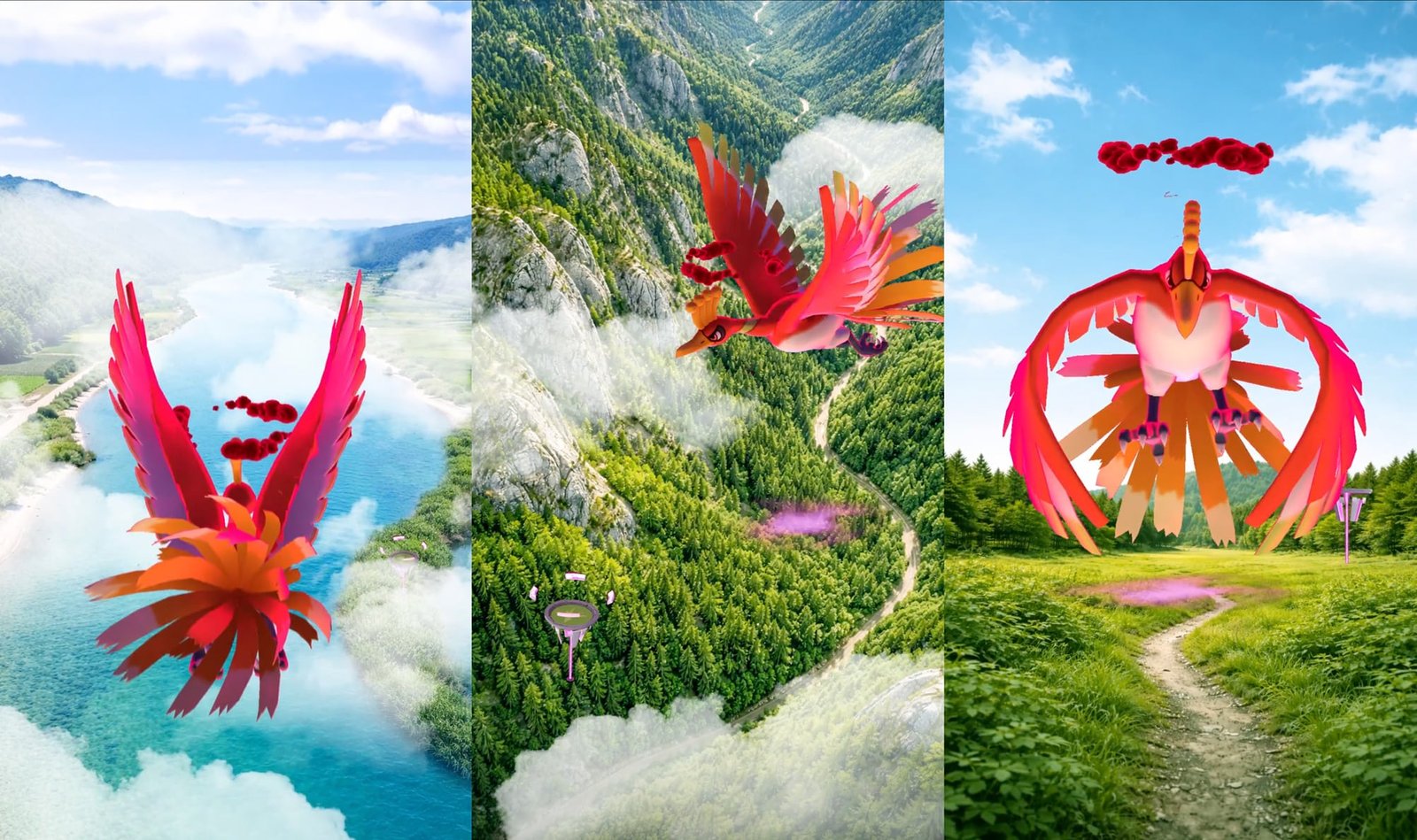
As Pokémon continues to evolve, so does the significance of Ho-Oh. The iconic creature not only serves as a reminder of the franchise’s rich narrative tapestry but also stands as a beacon for the aspirational journeys of countless trainers. Its legendary status lives on through its appearances in games, merchandise, and animated series, reinforcing its integral role in the overarching Pokémon narrative. Fans often discuss Ho-Oh’s attributes and its connection to other legendary Pokémon, prompting engagement and curiosity from both seasoned players and newcomers.
This enduring appeal highlights the timeless nature of Pokémon storytelling, where perspectives on characters like Ho-Oh can shift, yet the fascination remains steadfast. Outside of its gameplay mechanics and lore, Ho-Oh represents the essence of discovery and adventure that defines the Pokémon world. Ultimately, Ho-Oh’s legacy is characterized by its ability to inspire and unite fans across various mediums, making it a lasting symbol of the franchise’s core values.
