


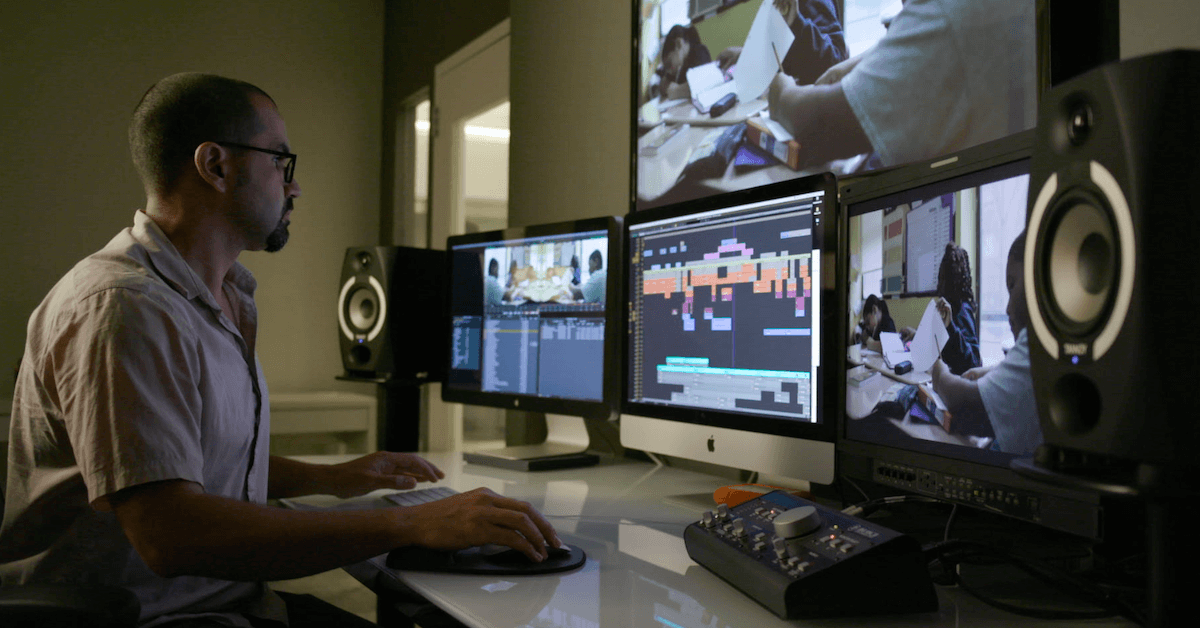
Understanding the Basics of Video Editing
video editing tips is an essential component of the filmmaking process, involving the manipulation and arrangement of video footage to create a cohesive narrative or visually appealing presentation. For beginners and experienced professionals alike, understanding the fundamental concepts of video editing is crucial.
One of the primary considerations in video editing tips is the video format. Each format has its specifications and is optimized for specific uses. Common formats include MP4, AVI, and MOV, each catering to different platforms and devices. Choosing the right format is vital as it affects the quality and compatibility of the video across various playback systems.
Another important aspect is resolution, which refers to the clarity and detail of the video editing tips image. Higher resolutions, such as 1080p or 4K, provide more detail, making the video visually stunning. It’s essential to balance resolution with file size, as larger files may be more cumbersome to edit and share.
Frame rates also play a pivotal role in video editing, determining how fluid the motion appears in the video editing tips . Common frame rates include 24, 30, and 60 frames per second (fps). The choice of frame rate can influence the overall feel of the video; for example, 24 fps is typically used for cinematic experiences, while 60 fps offers smoother motion for action sequences.
Familiarity with basic terminologies is equally important. Key concepts include cutting, which is the act of removing unwanted footage; transitions, which are techniques that connect one scene to another; and timelines, which are visual representations of the sequences of clips in editing software. These foundational terms form the language of video editing tips and can significantly enhance communication between team members during the editing process.
Choosing the Right Video Editing Software
In the ever-evolving realm of video editing tips production, selecting the appropriate video editing software is crucial for both beginners and seasoned editors. The ideal software can vary significantly based on skill level, project requirements, and individual preferences. For beginners, user-friendly platforms such as iMovie or Windows Movie Maker offer intuitive interfaces and essential features that enable novices to learn editing basics without feeling overwhelmed. These options support various video formats and provide straightforward functionalities like drag-and-drop editing, which makes the learning process smoother.
For intermediate users, software like Adobe Premiere Elements or Filmora presents a balance between usability and advanced features. These video editing tips cater to users who have a basic understanding of editing and are looking to explore creative possibilities without excessive complexity. They typically offer a range of effects, transitions, and sound video editing tips tools, making them suitable for personal projects and small-scale productions.
For professionals, high-end software such as Adobe Premiere Pro or Final video editing tips Pro is ideal, given their extensive capabilities and customization options. These platforms provide advanced editing tools, multi-camera editing, and superior support for different file formats, which are essential for complex projects. However, they often come at a higher cost and require a steeper learning curve, which may not be suitable for everyone.
Budget considerations also play a significant role in the decision-making process. While open-source options like DaVinci Resolve and Lightworks offer powerful features at no cost, they may lack certain user-friendly elements. Ultimately, the best video editing tips editing software should align with the user’s editing needs, proficiency, and financial constraints, allowing for creative expression while facilitating a streamlined editing experience.
Organizing Your Footage for Efficient Editing
Organizing video editing tips footage is a crucial step that can significantly streamline the editing process. By establishing a systematic approach to file management, you can save time and mitigate confusion during editing sessions. One effective method is creating distinct folders for each project. For instance, you might include folders for raw footage, audio files, graphics, and finalized edits. This structure allows for quick access to necessary materials, reducing the time spent searching through disorganized files.
In addition to folder organization, employing consistent naming conventions is essential. File names should be descriptive and clearly indicate their content, such as “Interview_with_John_Smith_Raw.mp4” or “B-Roll_City_Scenes_01.mov”. This practice not only aids in identifying files at a glance but also enhances collaboration when sharing materials with other team members. A clear naming system minimizes video editing tips and ensures that everyone involved can seamlessly navigate the project’s structure.
The importance of metadata cannot be overstated in the realm of video editing tips . Tagging your footage with relevant keywords, themes, or categories enhances accessibility. Tools that allow for adding metadata can simplify the search process, especially in larger projects where hundreds of clips may be involved. Moreover, taking the time upfront to input this information can drastically improve the efficiency of the editing workflow.
An organized workflow is instrumental in fostering a productive editing environment. By dedicating time to prepare your footage prior to editing, you not only save hours of frustration further along in the process, but also enhance your video editing tips output. In conclusion, implementing thorough organizational strategies such as folder creation, consistent naming conventions, and utilizing metadata will provide a strong foundation for any video editing project, making the overall experience more efficient and enjoyable.
Mastering the Art of Cutting and Trimming
Effective video editing tips hinges significantly on the ability to cut and trim clips with precision and intent. A well-executed cut can enhance the storytelling aspect of a video, ensuring proper pacing and engagement. Understanding the technical tools available in video editing software can dramatically improve your editing process, making it vital for both beginners and experienced editors to master this skill.
The first step in mastering cutting and trimming is identifying which parts of your footage are essential for maintaining the narrative’s flow. Look for sections that lag or contain redundant content. Removing unnecessary footage not only tightens the video but also helps to keep the audience’s attention focused. For instance, when dealing with long interviews, trimming pauses or filler words can significantly improve pacing without losing contextual meaning.
As you cut clips, video editing tips the overall flow of your sequence. Each cut should enhance the viewer’s understanding and emotional connection to the content. To achieve seamless transitions, maintain a rhythm in your edits; abrupt cuts can disrupt the viewer’s experience. Utilizing techniques such as match cutting, where a visual or thematic element is carried over between clips, can provide continuity and enhance overall storytelling.
Most professional editing software, such as Adobe Premiere Pro or Final video editing tips Pro, offers tools like razor cuts and trim edits that facilitate precision in your cuts. Familiarize yourself with these features, as they allow for quick alterations and transitions. Additionally, utilizing keyboard shortcuts can save time, ensuring that your workflow remains efficient and fluid. By practicing these cutting and trimming techniques, video editing tips can create polished videos that resonate with audiences while effectively conveying their intended message.
Adding Transitions and Effects Creatively
In the realm of video editing tips , transitions and effects serve as essential tools that can greatly enhance the narrative flow and overall engagement of a video. Various types of transitions, such as cuts, fades, and wipes, can be employed to ensure a seamless progression between different scenes. Understanding when to utilize these transitions is crucial. For instance, a simple cut may suffice in energetic sequences, while a fade to black can provide a reflective moment, allowing viewers to digest the content.
Effects, on the other hand, can add depth and texture to your video editing tips . Commonly used effects include color correction, slow motion, and motion graphics. However, the key to effective video editing is moderation. Overusing effects can lead to viewer distraction, detracting from the message you are trying to convey. Each effect should serve a purpose, enabling the audience to connect more deeply with the visual story rather than overshadowing it.
Maintaining the tone of the video editing tips is another critical consideration. For example, a comedic video may benefit from playful transitions and whimsical effects, while a dramatic documentary requires a more subdued approach. It is important to select transitions and effects that complement the content, ensuring a cohesive viewing experience.
In addition to enhancing the narrative, creative transitions and effects can also reinforce the emotional impact of your video editing tips . Subtle techniques, when executed well, can evoke emotions and lead to stronger audience engagement. Finally, experimenting with various styles may yield unique results, allowing editors to develop a signature aesthetic that resonates well with their audience while adhering to the principles of effective storytelling.
The Power of Sound in Video Editing
Sound design is a critical element of video editing tips that significantly impacts the viewer’s experience. Properly incorporating sound can elevate a project from average to exceptional by engaging the audience on a deeper emotional level. One of the primary aspects to consider is the selection of background music. The music you choose should complement the visuals, underscoring the tone and enhancing the narrative. It’s advisable to select tracks that match the pace and mood of your content, allowing for a cohesive flow that maintains audience engagement.
Additionally, sound effects should not be overlooked. These auditory elements can add realism and depth to a video, helping to immerse the viewer. For instance, adding subtle sound effects during key moments—like footsteps or ambient noise—can create a more vivid storytelling experience. Careful integration of these effects is essential; they should enhance the visuals without overpowering them. This balance is crucial to maintaining the desired emotional response from the audience.
Voiceovers are another important component of sound video editing tips , particularly in informational or narrative-focused videos. When incorporating voiceovers, ensure they are recorded clearly and at a suitable volume. Smooth integration with the background music and sound effects will contribute to a polished final product. Pay attention to audio levels, adjusting them to achieve a balanced mix where the voice is easily intelligible over background sound. Using audio editing tools to fine-tune levels can significantly improve the professionalism of your videos.
In essence, sound design is not merely an accessory to video editing tips but a fundamental aspect that shapes the viewer’s experience. By thoughtfully selecting background music, utilizing sound effects, and seamlessly integrating voiceovers, you can enhance your video projects and achieve a quality finish.
7. Color Grading and Correction Techniques
Color grading and correction are critical steps in video editing that significantly enhance the visual appeal and mood of your footage. These techniques adjust the colors and balance within a video, ultimately helping to create a specific atmosphere or evoke particular emotions from the audience. While beginners may find color grading intimidating, mastering it can elevate the quality of videos and make them more engaging.
To begin with, understanding the difference between color correction and color grading is essential. Color correction aims to fix any issues with color balance, exposure, or white balance in the footage, ensuring the video appears natural. In contrast, color grading involves creative adjustments that style the video to align with the intended aesthetic. This may include altering hues, saturation, or applying color filters to evoke a certain mood.
Several software tools offer features that simplify the process of color grading and correction. Programs like Adobe Premiere Pro, Final Cut Pro, and DaVinci Resolve provide powerful color grading options, including scopes and curves that enable precise adjustments. Familiarizing yourself with these tools will allow for more sophisticated alterations, such as adjusting highlights, shadows, and midtones, ensuring a balanced and visually appealing final product.
Another common technique is to work with LUTs (Lookup Tables), which provide predefined color grades that can be applied to footage for quick adjustments. They can serve as a great starting point for your color grading process. Additionally, always remember to keep consistency in mind; maintaining a uniform color palette throughout your project contributes to a seamless visual experience.
In conclusion, effective color grading and correction can have a profound impact on your video project. By understanding the essential techniques and utilizing the right software, you can significantly improve the overall quality of your videos, making them more professional and visually compelling.
Exporting and Sharing Your Finished Video
When it comes to video editing, properly exporting and sharing your finished project is just as crucial as the editing process itself. The way your video is exported can significantly impact its performance on various platforms. The first step involves selecting the appropriate file format. For instance, commonly used formats include MP4, AVI, and MOV. MP4 is often favored for online sharing due to its compatibility and balance between video quality and file size.
Next, consider the resolution of your video. Resolution can vary based on the target platform; for example, YouTube supports up to 4K resolution, while social media platforms might prioritize lower resolutions for faster loading times. A common resolution for sharing on platforms like Instagram or Facebook is 1080p, which strikes a good balance between quality and accessibility.
Compression techniques also play an essential role in the exporting process. While high-quality videos can be large in file size, compressing them can help reduce upload times without sacrificing too much quality. Tools such as HandBrake or Adobe Media Encoder are excellent for transcoding videos efficiently, while still retaining a high level of detail.
Additionally, metadata is an often-overlooked element that can enhance the discoverability of your video. Include relevant tags, titles, and descriptions to give viewers a clearer understanding of the video content, which can increase viewership and engagement. Search engines and social media platforms utilize this metadata when categorizing content, making it critical for optimized sharing.
Finally, after exporting, test the video on the target platform to ensure it behaves as expected. Different platforms have unique algorithms and formatting requirements, and testing will help ensure your content appears professional. Following these practices will greatly improve the visibility and performance of your finished video.
Continuous Improvement in Video Editing
To excel in video editing tips , it is crucial to embrace a mindset of continuous improvement. One effective way to do this is by enrolling in online courses specifically tailored to video editing. Numerous platforms offer structured programs that can enhance your technical skills and introduce you to advanced editing techniques. Many of these courses are designed for various skill levels, ensuring that both beginners and seasoned editors can find valuable content.
In addition to formal education, joining editing communities can significantly boost your learning experience. Platforms such as forums, social media groups, and professional networks allow editors to share insights, exchange feedback, and stay updated on industry trends. Engaging with peers not only fosters a collaborative spirit but also provides opportunities for mentorship and support as you refine your craft.
Another integral aspect of improving your video editing skills is seeking constructive feedback on your work. Sharing your projects with fellow editors or trusted friends can offer you fresh perspectives, enabling you to identify areas for improvement. Critiques can sometimes be difficult to hear; however, they are essential for growth. Always approach feedback with an open mind and a willingness to adapt.
Finally, making a habit of practicing new techniques is vital in the journey of becoming a more skilled video editor. Experimentation allows you to explore different styles and discover your unique editing voice. Dedicate time to trying new software features, experimenting with effects, or even working on personal projects that challenge your existing skill set.
In essence, the key to continuous improvement in video editing lies in education, community involvement, and hands-on practice. By actively pursuing these strategies, you will be well on your way to elevating your editing skills and staying relevant in this ever-evolving field.
