


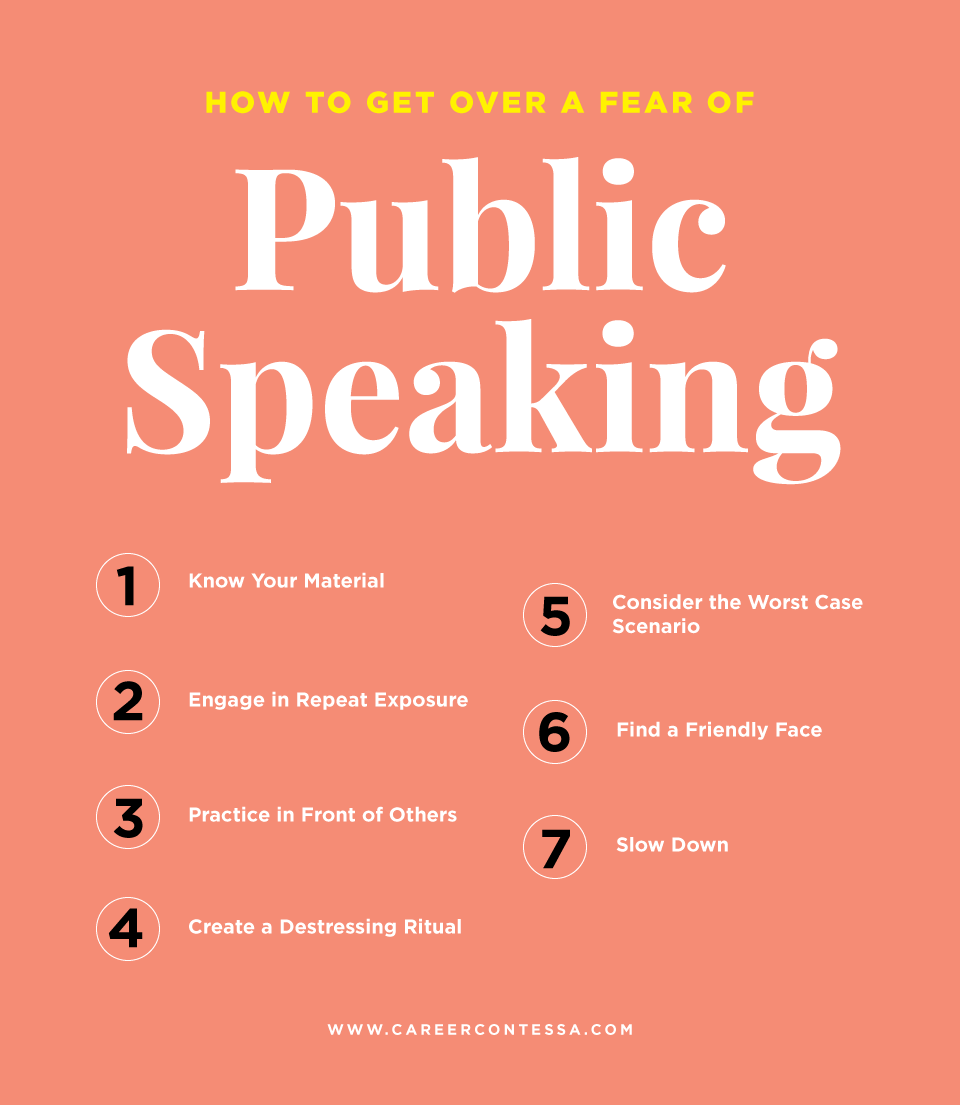
Understanding the Importance of Public Speaking
public speaking tips is an essential skill that holds significant value in various aspects of life, both personally and professionally. It is a powerful tool that facilitates effective communication, allowing individuals to share their ideas, express their thoughts clearly, and connect with their audience. The ability to convey information succinctly not only enhances one’s communication skills but also fosters better relationships and interpersonal dynamics.
One of the primary benefits of mastering public speaking tips is the boost to one’s confidence. When individuals engage in public speaking, they are often confronted with their fears and anxieties, which, when navigated successfully, can lead to increased self-assurance. This newfound confidence can translate into other areas of life, from personal interactions to professional presentations, making one a more compelling and persuasive communicator.
Furthermore, public speaking tips is instrumental in influencing and persuading others. Whether delivering a motivational speech, presenting a business proposal, or participating in a debate, the effectiveness of one’s delivery can significantly impact the audience’s perception and response. Good public speaking skills enable a speaker to articulate their message compellingly, swaying listeners towards a particular viewpoint or prompting them to take action.
Effective public speaking tips can be transformative in numerous scenarios, such as job interviews, professional conferences, and community events. Each of these settings presents an opportunity for individuals to demonstrate their proficiency in conveying their ideas clearly while engaging their audience. Thus, honing public speaking skills is not merely an asset but a necessity for anyone looking to thrive in today’s competitive environment.
Preparing Your Content: Know Your Audience
Understanding your audience is a crucial step in crafting an effective public speaking tips . Audience analysis allows you to tailor your content to match the interests, backgrounds, and expectations of your public speaking tips . To begin this process, consider conducting thorough research on your audience before preparing your content. This may involve gathering information through surveys, studying demographics, or analyzing previous interactions, if applicable. By doing so, you can identify key themes that resonate with your audience, ensuring your speech is both relevant and engaging.
Additionally, public speaking tips the cultural and professional backgrounds of your audience members. A diverse audience may consist of individuals with varying experiences and perspectives. Therefore, it is vital to create content that is inclusive and relatable. When preparing your speech, strive to incorporate examples and anecdotes that reflect these diverse experiences. This approach not only helps maintain interest but also fosters a sense of connection between you and your audience.
Structuring your content effectively is equally important for maintaining audience engagement. A well-organized speech typically follows a clear outline: an introduction, main points, and a conclusion. Begin with a strong opening that captures attention and outlines what your audience can expect. The body of your speech should consist of a few main points supported by relevant evidence or stories that illustrate your arguments. public speaking tips smoothly between these points to ensure the audience can follow along easily. Finally, conclude with a memorable closing that reinforces your public speaking tips and invites audience reflection.
By prioritizing audience analysis and structuring your content thoughtfully, you can create a speech that captivates your listeners. Not only will this enhance their experience, but it will also improve the overall public speaking tips of your communication.
Crafting a Compelling Message
Creating a clear and persuasive message is pivotal to successful public speaking tips . The first step in achieving this is to organize your thoughts coherently. Begin by outlining the main ideas you wish to convey, ensuring they align with the purpose of your presentation. A well-structured outline acts as a roadmap for your speech, helping to maintain focus and clarity.
Equally important is the crafting of a strong opening. The initial moments of your presentation are crucial; an impactful opening can immediately capture your audience’s attention. Consider starting with a compelling quote, a surprising statistic, or an intriguing question. This engages the audience right from the outset and establishes the tone for the remainder of your message.
After securing your audience’s interest, it is essential to develop key points that support your core message. Be concise and focused, as presenting too many ideas can overwhelm your listeners. Aim to highlight three to five main points that provide depth to your public speaking tips. Each point should connect back to your primary message, reinforcing your overall argument and making it more persuasive.
Lastly, public speaking tips effectively is just as important as starting strong. A well-crafted conclusion should summarize your key points and reiterate the central message, leaving the audience with something memorable. Consider ending with a relevant story or a provocative call to action to inspire further thought or discussion. Integrating storytelling techniques and relatable examples throughout your presentation will also enhance engagement, making the message more accessible and impactful for the audience.
Utilizing Visual Aids Effectively
public speaking tips aids are an essential component of public speaking, serving to complement the spoken word and enhance audience understanding. While a speaker’s words can convey information, visual elements such as slides, charts, and props can engage the audience at a deeper level by illustrating key points and providing clarity. To create an engaging presentation, it is crucial for speakers to select visual aids that are relevant and complementary to the message being conveyed.
Effective use of slides, for example, should prioritize simplicity and clarity. public speaking tips on slides should be concise, avoiding overcrowding with text. Employing visuals such as images or diagrams can significantly enhance retention, as most people are visual learners. Utilizing bullet points can help highlight critical information while maintaining the audience’s focus. It is advisable to limit each slide to one main idea to prevent confusion. Additionally, using consistent formatting and color schemes can provide visual coherence that supports the overall flow of the presentation.
However, the misuse of public speaking tips can lead to disengagement rather than engagement. Common pitfalls public speaking tips include excessive text, overly complex graphics, or the use of distracting animations. These elements can overwhelm the audience, making it difficult for them to follow the speaker’s narrative. It is also essential to ensure that any props or instruments used reinforce the message rather than detract from it. For maximum impact, speakers should practice the timing of their visual aids, ensuring they align with the verbal presentation for a seamless delivery.
Incorporating visual aids thoughtfully can elevate a public speaking tips engagement, making the material more accessible and memorable for the audience.
Mastering Body Language
Effective public speaking tips transcends mere words; it hinges significantly on non-verbal communication. Body language profoundly influences how your message is received and understood. Engaging your audience requires more than articulate speech; it demands attention to posture, gestures, and eye contact. Each of these components plays a crucial role in reinforcing your spoken message and fostering a connection with listeners.
Your posture forms the foundation of your body language. Standing tall with an open stance projects confidence and authority. Alternatively, slouching or crossing your arms may convey insecurity or defensiveness, diverting attention away from your message. Thus, practice maintaining a strong and welcoming posture that aligns with your topic’s energy and intent. By doing so, you create a conducive atmosphere for publ ic speaking tips.
Gestures also serve as powerful tools in public speaking. They can emphasize key points, illustrate concepts, and enliven your presentation. To use gestures effectively, ensure they are natural and complement your speech, public speaking tips than distracting from it. For instance, using hand movements to represent size or direction can enhance understanding. Nevertheless, moderation is key, as excessive or erratic gestures may cause confusion and detract from your message.
Equally significant is eye contact, which establishes rapport and engenders trust with your audience. Direct eye contact can make listeners feel more included and appreciated, fostering a connection that can enhance their receptiveness to your message. Aim to public speaking tips with different sections of your audience, ensuring that everyone feels addressed throughout your presentation. By mastering these aspects of body language, you not only enhance your message but also keep your audience captivated.
Practicing Your Delivery
Rehearsing your speech is a critical element in the journey toward delivering a successful public speaking tips address. Effective practice not only enhances your confidence but also significantly improves your delivery. One beneficial strategy for practicing is to record yourself while presenting. This method allows you to self-evaluate your performance, scrutinizing aspects such as tone, pace, and body language. Additionally, watching your recorded performance can provide invaluable insights into areas for improvement that might not be apparent during the live delivery.
Another effective technique is to rehearse in front of a mirror. This practice enables you to observe your facial expressions and gestures, ensuring they align with the message you wish to convey. By maintaining eye contact with your reflection, you can simulate conditions similar to addressing an audience, making it a constructive component of your preparation.
Furthermore, presenting your speech to friends or public speaking tips can serve as a valuable rehearsal opportunity. Inviting constructive feedback from trusted individuals can highlight strengths as well as identify weaknesses in your delivery. You may also discover unexpected reactions or responses, allowing you to adapt your content and presentation style as necessary. Their insights can lead to small adjustments that create significant improvements in audience engagement.
It is crucial to recognize that the practice phase is not solely about memorizing the speech. Instead, it involves refining your content and delivery based on the feedback and observations you gather from each rehearsal. By tailoring your approach according to your practice outcomes, you will set the stage for a more compelling and polished presentation that captivates your audience effectively.
Managing Anxiety and Building Confidence
Public speaking often ranks among the top fears in various surveys, leading many individuals to experience significant anxiety. Common concerns include fear of judgment, forgetting one’s speech, or even experiencing physical symptoms such as shaking. Addressing these concerns is crucial for anyone aiming to improve their public speaking skills. One effective technique for managing anxiety is breath control. Practicing deep breathing before taking the stage helps calm nerves and lowers heart rates. By focusing on slow, mindful breaths, speakers can establish a sense of composure, setting a positive tone for their presentation.
Another valuable strategy is visualization. Imagining oneself confidently delivering a successful presentation can profoundly influence an individual’s mindset. This mental rehearsal allows speakers to envision themselves connecting with their audience, using effective body language, and maintaining control over their content. By creating a vivid mental image of success, speakers can begin to alleviate feelings of anxiety as they feel more prepared for the actual event.
Positive affirmations also play an essential role in building confidence. Regularly repeating affirmations, such as “I am a capable speaker” or “I connect easily with my audience,” reinforces a positive self-image. Cultivating this constructive self-talk fosters a mindset conducive to successful presentations. Additionally, gradual exposure to public speaking situations can significantly enhance confidence. Initiating this process with smaller groups can help speakers acclimate to performing in front of an audience. As they gain experience, their confidence typically increases, making larger audiences feel less intimidating.
In conclusion, managing anxiety and building confidence for public speaking takes time and practice. By incorporating techniques such as breath control, visualization, and positive affirmations, speakers can gradually overcome their fears and present with confidence. With each experience, opportunities for growth arise, leading to improved public speaking skills and a stronger connection with audiences.
Engaging Your Audience
Engaging your audience is crucial for impactful public speaking. A presentation that incorporates audience interaction can significantly enhance listener retention and interest. One effective technique is to ask open-ended questions. This not only encourages participation but also prompts your audience to think critically about the material being presented. By inviting responses, you create a dialogue that fosters a deeper connection between you and your audience.
Another method to keep your audience engaged is by incorporating elements of humor appropriately. Humor can break the monotony of a presentation, lighten the mood, and make the speaker more relatable. It is important, however, to gauge the audience’s preferences and sensitivities to ensure that the humor is suitable. A well-timed joke or a light-hearted anecdote can significantly increase audience engagement, making them more receptive to your core message.
Fostering interaction during a presentation is also essential. You might consider using audience polling tools, encouraging small group discussions, or incorporating interactive activities relevant to your topic. Such strategies promote active participation and can lead to a more dynamic exchange of ideas. When audiences feel involved, they are more likely to retain information and feel invested in the presentation.
Authenticity and passion are also vital components for engaging your audience. When speakers convey genuine enthusiasm about their subject, it often resonates with the audience, drawing them in and keeping their attention. Be sincere in your delivery and showcase your expertise through stories and examples that reflect your true feelings. This authenticity can ignite interest and lead to a memorable experience for your audience. By integrating these engagement strategies, speakers can ensure their presentations are not only informative but also captivating.
Receiving and Implementing Feedback
Receiving feedback is an integral aspect of honing public public speaking tips . It allows speakers to understand how their message resonates with different audience members and offers insights into areas requiring improvement. Effective feedback can come from various sources, including peers, mentors, or even audience members following a presentation. It is essential to approach this process with an open mind, recognizing that constructive criticism is meant to foster growth rather than diminish confidence.

One effective way to gather feedback is to create a structured evaluation form for your audience. This form can include parameters such as clarity of message, engagement levels, and overall impact. By giving your audience the opportunity to express their thoughts, you can compile valuable data that will enhance your future presentations. Moreover, discussing your performance with trusted colleagues or mentors can yield personalized advice rooted in their own experiences.
Self-reflection plays a critical role in the feedback process. After each speaking engagement, take some time to reflect on your performance. Consider questions such as: What aspects felt successful? Were there moments of hesitation or confusion? Did your message achieve its intended impact? Jotting down your thoughts will help you internalize lessons learned and raise your awareness about specific practices that can be improved.
Being proactive about implementing feedback is essential for continuous improvement. Instead of becoming discouraged by negative critiques, view them as opportunities to refine your skills. Set specific goals for your next presentation based on the feedback received and emphasize these areas in your practice sessions. This mindset shift allows you to embrace a learning culture in your public speaking journey, potentially captivating your audience more effectively in the future.
