


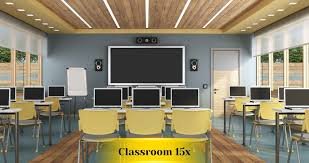
Introduction to Classroom 15x
The concept of Classroom 15x emerges as a revolutionary approach to education, aimed at transforming traditional learning environments into dynamic spaces that foster student engagement. At its core, Classroom 15x is designed to enhance the quality of student interaction within classroom settings, leveraging various strategies to significantly increase the level of participation. This innovative framework is particularly relevant in the context of modern education, where mere passive listening is no longer sufficient for effective learning.
Creating engaging classroom environments is essential in today’s educational landscape. Research indicates that students who are actively involved in their learning processes are more likely to retain information, develop critical thinking skills, and foster a love for learning. Classroom 15x provides educators with practical tools and methodologies to achieve this heightened engagement. Through a carefully structured blend of technology, collaboration, and hands-on activities, the framework encourages educators to rethink their teaching styles and adapt to the needs of diverse learners.
The relevance of the Classroom 15x framework extends beyond mere participation; it fundamentally reshapes the dynamics of the educational experience. By promoting interaction between students and encouraging cooperative learning, this model prepares learners to thrive in increasingly complex and interconnected futures. Educators are empowered to create spaces where every student feels valued and motivated to contribute, leading to enriched discussions and a deeper understanding of subject matter.
As classrooms evolve, the need for a model like Classroom 15x becomes ever more critical. This approach not only acknowledges the diverse array of learning preferences but also ensures that educational methodologies remain relevant in an age defined by rapid technological advancements and changing societal norms. Thus, Classroom 15x serves as a robust foundation upon which educators can build effective, engaging, and transformative learning experiences.
The Key Elements of Classroom 15x
The Classroom 15x model is a transformative approach aimed at enhancing student learning experiences. Several key elements form the foundation of this innovative educational framework. One of the foremost components is the integration of innovative teaching methods. Educators are encouraged to adopt a variety of instructional strategies that engage students actively in the learning process. This could involve project-based learning, flipped classrooms, or gamification techniques that can ignite interest and facilitate deeper understanding.
Another critical element is the incorporation of technology in lessons. The effective use of digital tools not only aids in lesson delivery but also fosters a more interactive learning environment. By utilizing educational technologies such as learning management systems, communication platforms, and interactive whiteboards, teachers can provide resources that cater to diverse learner needs, thus promoting inclusivity and accessibility.
Collaboration among students is also a pivotal aspect of the Classroom 15x model. Creating opportunities for students to work together on projects or engage in peer-to-peer learning enhances their social skills and encourages a sense of community within the classroom. This collaborative spirit not only enriches the learning experience but also prepares students for real-world scenarios where teamwork is essential.
Furthermore, flexibility in classroom design contributes significantly to the effectiveness of the Classroom 15x model. An adaptable environment, which may include movable furniture and varied seating arrangements, allows for different teaching methodologies and promotes ease of movement. Such flexibility supports personalized learning experiences, enabling students to thrive in settings that match their individual learning preferences.
In summary, a successful Classroom 15x environment hinges on innovative teaching methods, technology integration, collaborative learning, and flexible classroom design, all tailored to foster engagement and enthusiasm for learning.
Benefits of Implementing Classroom 15x
The Classroom 15x approach offers numerous advantages that can significantly enhance the educational experience for both students and teachers. One primary benefit of this innovative model is its ability to boost student motivation. By integrating diverse and interactive learning activities into the curriculum, students are more likely to feel engaged and enthusiastic about their learning journeys. This heightened motivation can lead to increased participation and a proactive approach to study, enabling learners to take ownership of their educational experiences.
Moreover, the Classroom 15x approach encourages deeper learning. This model emphasizes critical thinking and real-world applications of knowledge rather than rote memorization. With a focus on collaborative projects, discussions, and hands-on activities, students are given opportunities to connect concepts across different disciplines. This integrative method not only helps students retain information more effectively but also fosters a comprehensive understanding of subject matter, which can significantly contribute to their long-term academic success.
Additionally, implementing Classroom 15x cultivates a sense of community and belonging within the classroom. By encouraging collaborative learning experiences, students develop interpersonal skills as they work together on assignments and projects. This collaborative environment promotes inclusivity and a shared sense of purpose, allowing students to build meaningful relationships with their peers and teachers. Consequently, a supportive classroom atmosphere can enhance emotional well-being and academic resilience, leading to improved overall outcomes for all students.
Strategies for Engaging Students in Classroom 15x
Engaging students in the classroom is crucial for fostering an environment where active learning can thrive. There are numerous strategies that educators can employ to make their classrooms more interactive and engaging. One effective approach is the integration of interactive teaching techniques such as think-pair-share and peer teaching. These methods encourage students to communicate their ideas and learn from each other, promoting collaboration and critical thinking.
Group projects also serve as an excellent strategy for engaging students. They provide opportunities for students to work together towards a common goal, building teamwork skills that are essential both inside and outside the classroom. When assigning group projects, it is beneficial to allow students to choose their groups and project topics whenever possible. This autonomy can increase their investment in the project and enhance their motivation to succeed.
Utilizing multimedia resources is another effective means of engaging students. Incorporating videos, podcasts, and interactive presentations appeals to various learning styles and helps to keep the material fresh and relatable. For instance, using educational videos that align with lessons can provide visual learners with an engaging way to grasp complex concepts. Additionally, technology tools such as digital quizzes and interactive whiteboards can enhance student participation and provide immediate feedback.
Finally, incorporating real-world applications into lessons can make learning more relevant and exciting. By connecting classroom content to real-life situations, students are more likely to see the value of their education. This relevance can take many forms, such as inviting guest speakers from relevant fields or taking educational field trips, both of which can greatly enrich the learning experience.
Creating a Supportive Environment in Classroom 15x
Creating a supportive environment is fundamental to fostering an engaging classroom atmosphere. It is essential for educators to develop trust and rapport with their students, promoting a sense of belonging and security. One effective way to establish this connection is through regular feedback. Teachers should make it a priority to provide constructive and specific feedback on student work, which not only helps students improve academically but also shows them that their efforts are valued. This consistent communication reinforces the understanding that their learning journey is important.
Moreover, encouraging peer support among students greatly contributes to a positive classroom environment. Collaborative activities, such as group projects or study sessions, facilitate relationships among students and create an inclusive atmosphere. Educators can arrange activities where students share their strengths and assist each other in areas of difficulty. This practice not only builds camaraderie but also encourages empathy and understanding, which are vital for a harmonious classroom.
Conflict resolution strategies are another crucial component to maintain a supportive setting. Teachers should be prepared to mediate disagreements effectively, teaching students essential problem-solving skills. This could include structured approaches, such as encouraging open dialogue, fostering understanding of different perspectives, and helping students reach a mutually agreeable solution. By implementing these strategies, educators guide students in navigating interpersonal conflicts, ultimately contributing to a more cohesive classroom community.
In essence, fostering a supportive environment requires ongoing effort and commitment from educators. By building relationships through feedback, encouraging collaboration among peers, and equipping students with conflict resolution skills, teachers can create a classroom atmosphere where all students feel motivated and valued, essential ingredients for an engaging educational experience.
In the current educational landscape, technology serves as a vital instrument for enhancing the Classroom 15x experience. By incorporating various digital tools, educators can create engaging lessons that not only capture students’ attention but also foster collaborative environments. One of the primary advantages of technology in the classroom is the accessibility of a plethora of educational applications. These applications can facilitate personalized learning, allowing students to engage with materials at their own pace while providing educators with valuable insights into their understanding and progress.
Platforms such as Google Classroom and Microsoft Teams offer structured environments where teachers and students can interact seamlessly. These virtual collaboration spaces enable educators to share resources, distribute assignments, and communicate effectively with students and parents. The integration of such platforms enhances engagement, as students can participate in discussions and collaborate on projects in real time, thus mirroring professional environments.
Furthermore, incorporating technology encourages creativity and critical thinking. Tools such as Padlet and Canva allow students to present their ideas visually, while platforms like Kahoot and Quizlet can be used to create interactive quizzes that make learning fun and competitive. These approaches not only motivate students but also promote a deeper understanding of content, essential for knowledge retention.
Nevertheless, the use of technology in the Classroom 15x does require careful implementation. Educators must ensure that technology complements teaching methods rather than overshadowing them. Balancing traditional teaching with digital resources can lead to a more holistic educational experience. In conclusion, effectively integrating technology into the classroom can significantly enhance engagement, promote collaboration, and prepare students for the future, making it indispensable in modern education.
Assessing the Effectiveness of Classroom 15x
Evaluating the impact of the Classroom 15x model on student learning outcomes requires a multifaceted approach that incorporates both qualitative and quantitative assessment methods. Educators can deploy various tools and strategies to comprehensively gauge the effectiveness of this pedagogical framework.
Quantitative measures are crucial in assessing academic performance and understanding how the 15x model influences student learning. Standardized tests and assessments can provide valuable metrics on students’ knowledge acquisition and skill development over a specific period. By comparing pre- and post-implementation test scores, educators can determine the effectiveness of Classroom 15x in enhancing academic outcomes. Additionally, tracking attendance and class participation rates offers insights into student engagement levels and motivation across different learning sessions.
Qualitative measures, on the other hand, are essential for capturing the subjective experience of students in the Classroom 15x environment. Surveys and questionnaires designed to gather student feedback can help educators understand perceptions about the learning model. Questions can be formulated to assess aspects such as engagement, satisfaction with teaching methods, and perceived improvements in understanding complex subjects. Furthermore, conducting interviews or focus groups with students may provide richer, anecdotal evidence regarding the impact of the 15x approach on their learning experiences.
Peer observations and teacher reflections can serve as additional qualitative data points. Teachers can evaluate the dynamics in classrooms through systematic observations, noting trends in student interactions, collaboration, and problem-solving abilities during 15-minute learning segments. Reflective practices foster critical self-assessment among educators, enabling them to iteratively refine their instructional strategies.
Combining these qualitative and quantitative assessment methods provides a holistic understanding of the Classroom 15x model’s effectiveness in real-world teaching environments. By analyzing the intertwined outcomes, educators are better equipped to adjust their methods, ensuring that they can foster an engaging and productive educational experience.
Real-World Examples of Successful Classroom 15x Implementations
Classroom 15x has gained recognition as an innovative approach to enhancing student engagement and learning outcomes. A notable case study can be observed at Lincoln High School in California, where educators incorporated the Classroom 15x methodology to transform their traditional teaching paradigms. The school restructured its lesson plans to emphasize interactive activities, hands-on learning experiences, and collaborative projects. Teachers noted a significant increase in student participation and enthusiasm, which contributed to a notable rise in overall academic performance.
Furthermore, Meadowbrook Elementary implemented the Classroom 15x framework by integrating technology into their learning environment. They utilized digital tools and resources to facilitate personalized learning pathways. By providing students with choices in their assignments and allowing them to work at their own pace, educators observed improved motivation levels among students. Additionally, the incorporation of technology encouraged students to embrace problem-solving skills collaboratively.
Through these practical applications of the Classroom 15x approach, educators at Meadowbrook noted crucial lessons learned during their journey. A key takeaway was the importance of consistent professional development for teachers. Educators participated in workshops that provided them with strategies and skills necessary to effectively implement this transformative framework. As they adapted to the Classroom 15x model, they also shared their insights and experiences during staff meetings, fostering a culture of collaboration and continuous improvement.
These examples highlight the potential of Classroom 15x in actual educational settings. In conclusion, schools that aim to adopt such a framework can benefit from understanding these successful implementations, as they offer valuable insights into the methodologies, outcomes, and potential pitfalls to consider during the transition to a more engaging classroom environment.
Conclusion and Future Directions for Classroom 15x
In light of the various strategies discussed throughout this blog post, it is essential to recognize the importance of Classroom 15x as a framework designed to enhance student engagement and learning outcomes. The insights shared provide a roadmap for educators looking to innovate their teaching methodologies and create more dynamic learning environments. The integration of technology, interactive activities, and differentiated instruction are just a few elements that can transform the traditional classroom into a vibrant space for exploration and growth.
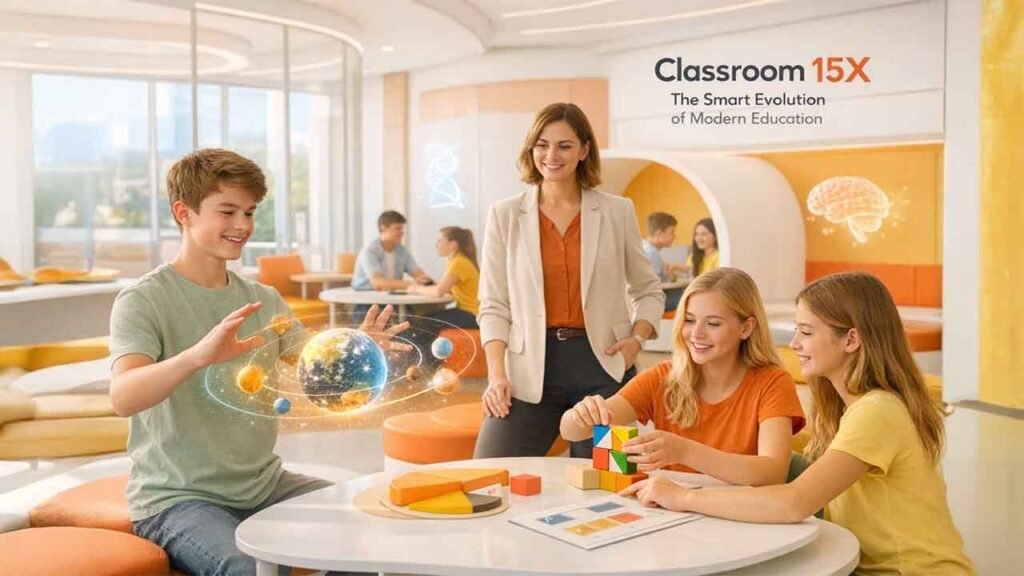
As educators consider implementing these principles, it is vital to remain flexible and open to experimentation. Each classroom has its unique culture and demographics, which means that specific approaches may yield different results. Therefore, educators are encouraged to adapt these strategies to best suit their students’ needs, interests, and learning styles. The continuous evolution of teaching practices based on feedback and results can drive future success within the Classroom 15x model.
Furthermore, sharing experiences and insights among educators can significantly contribute to the collective knowledge surrounding classroom engagement. Collaborative platforms, webinars, and professional learning communities can serve as valuable resources for teachers to exchange ideas and best practices. By fostering a culture where educators support one another in their journeys, the potential for innovation in classroom engagement is amplified.
Looking to the future, the implementation of Classroom 15x without a doubt promises to create more engaging and effective learning experiences. As the educational landscape shifts and adapts to the needs of a diverse student population, employing these strategies will play a vital role in shaping the next generation of learners. Together, educators can pave the way for more interactive and fulfilling educational experiences, ensuring that every student is equipped for success in their academic and personal endeavors.
