


Introduction
The matchup between the Dallas Mavericks and the dallas mavericks vs boston celtics match player stats holds a special place in NBA history, being characterized by a competitive spirit that has evolved over decades. Both teams have shown impressive performances, creating a narrative that captures the attention of basketball fans nationwide. This rivalry is fueled not only by the teams’ quest for victory but also by the loyalty of their fan bases, which continue to thrive regardless of fluctuating seasons. The energy in the arenas during a Mavericks versus Celtics game is palpable, underscoring the significance of this confrontation on the basketball calendar.
Historically, the Dallas mavericks vs boston celtics match player stats have traded blows in various exhilarating encounters, showcasing some of the league’s brightest stars. The Celtics, a franchise with an illustrious history littered with championships, have continued to cultivate a legacy of excellence. In contrast, the Mavericks have carved their niche as a formidable force in the NBA, particularly following their championship win in 2011. This historical context adds layers of excitement to their matchups, making each game a highly anticipated event among fans and analysts alike.
This article seeks to provide a comprehensive examination of the dallas mavericks vs boston celtics match player stats statistics from recent encounters between the Dallas Mavericks and the Boston Celtics. By delving into individual performance metrics, we aim to highlight how player contributions impact the game’s outcome. Through a detailed breakdown of points scored, assists made, rebounds gathered, and defensive stats, we can gain valuable insights into the strengths and weaknesses of each team. Understanding these nuances not only enriches our perspective on this rivalry but also informs fans as they engage with upcoming matchups.
Overview of Both Teams
The dallas mavericks vs boston celtics match player stats are two prominent franchises in the National Basketball Association (NBA), each boasting a rich history and impressive achievements. The Mavericks, established in 1980, have made significant strides, winning their first NBA Championship in 2011 under the leadership of Dirk Nowitzki. With a reputation for strong offensive play, the team is recognized for its potent offense, particularly in recent years, despite some inconsistent performances on defense.
On the other hand, the dallas mavericks vs boston celtics match player stats founded in 1946, are one of the league’s oldest and most storied franchises. With a record 17 NBA Championships to their name, the Celtics are synonymous with basketball success. The team has produced an array of legendary players, including Bill Russell, Larry Bird, and more recently, players like Jayson Tatum and Jaylen Brown. Boston’s strategy often emphasizes strong team play, which is reflected in their robust defensive schemes and ability to adapt to various game scenarios.
In the context of recent performance, the dallas mavericks vs boston celtics match player stats have primarily focused on building around young talent, with Luka Dončić emerging as one of the league’s brightest stars. Their recent trends highlight a shift towards a faster-paced game, aiming to capitalize on Dončić’s playmaking abilities. The Celtics, meanwhile, have remained competitive in the Eastern Conference, frequently competing for a top seed. Their overall consistency, paired with a balanced scoring attack and defensive versatility, ensures they remain a formidable opponent.
Historically, the dallas mavericks vs boston celtics match player stats and Celtics have faced each other numerous times, with each team securing victories during their encounters. While the head-to-head record has fluctuated over the years, both franchises have shown respect for each other’s legacies, contributing to an exciting rivalry in the league. As both teams continue to evolve, their matchups will undoubtedly offer thrilling basketball for fans and analysts alike.
Key Players to Watch
In the upcoming match between the dallas mavericks vs boston celtics match player stats , several key players stand out due to their significant contributions to their teams. For the Mavericks, Luka Dončić is undoubtedly the focal point. The young Slovenian guard brings a unique playing style that combines exceptional passing ability with scoring prowess. In the current season, he has averaged over 28 points, 8 rebounds, and 9 assists per game. His versatility enables him to create shots for himself and others, which is a critical element in the Mavericks’ offensive scheme.
Alongside Dončić, Kristaps Porziņģis serves as another vital dallas mavericks vs boston celtics match player stats . Known for his impressive height and shooting range, Porziņģis often stretches the floor, allowing for more driving lanes for his teammates. This season, he has been noteworthy, contributing around 20 points and 8 rebounds per game, showcasing his ability to excel both in the interior and beyond the arc.
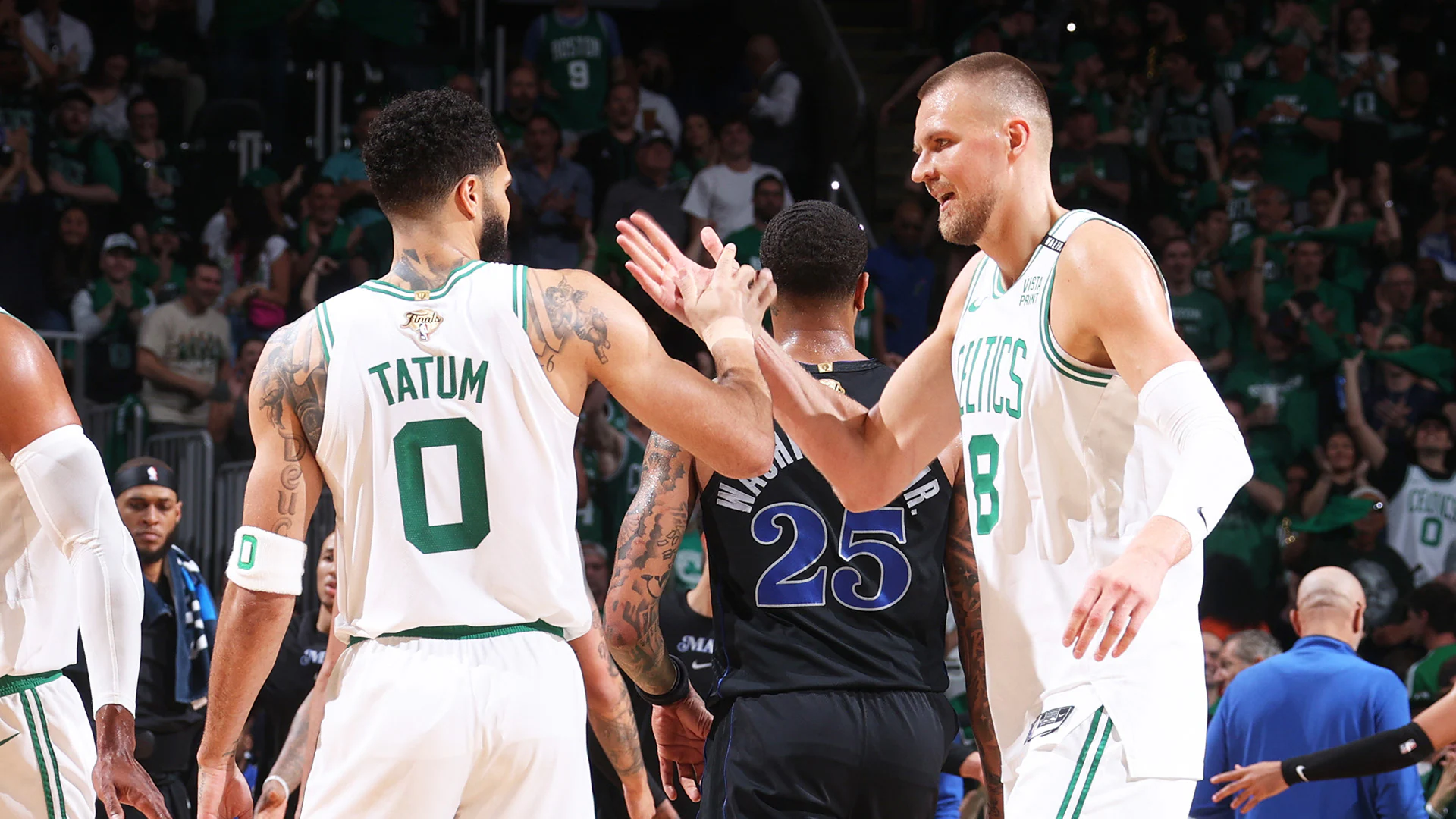
On the opposing side, the dallas mavericks vs boston celtics match player stats feature Jayson Tatum, a forward known for his scoring ability and strong defensive skills. This season, Tatum has been averaging approximately 26 points, 7 rebounds, and 4 assists per game. His work ethic and ability to perform in clutch moments have established him as a leader on the team. Tatum’s playing style involves a blend of agility and technique, making him a continuous threat on the offensive end.
dallas mavericks vs boston celtics match player stats , Jaylen Brown complements Tatum’s skills, contributing around 24 points and 6 rebounds per game. Brown’s athleticism and defensive tenacity make him an essential asset for the Celtics, capable of guarding multiple positions while also providing significant offensive support.
Recent Matches Recap
In recent encounters between the dallas mavericks vs boston celtics match player stats both teams showcased their talent and competitiveness on the court, making for thrilling performances. The last three matches have provided insights into team dynamics and individual player contributions that have notably influenced the outcomes.
During their last matchup in April, the dallas mavericks vs boston celtics match player stats emerged victorious, securing a narrow win with a final score of 112-110. Luka Dončić played a pivotal role, surpassing 30 points while also contributing several assists and rebounds. His ability to distribute the ball efficiently and perform in clutch moments was significant, particularly enabling the Mavericks to claw back from a deficit in the fourth quarter.
The previous encounter in January saw an intense back-and-forth game; the Celtics managed to outlast the Mavericks, winning 115-102. Jayson Tatum’s remarkable performance included scoring 40 points, along with his defensive efforts that disrupted the Mavericks’ rhythm. This game highlighted the Celtics’ depth, as other key players also stepped up, capitalizing on the Mavericks’ shortcomings defensively.
dallas mavericks vs boston celtics match player stats , their October meeting marked the season opener for both teams. The Celtics faced a solid challenge and showcased their defensive prowess but fell short, allowing the Mavericks to win 120-108. The performance of Kristaps Porziņģis was memorable as he recorded a double-double and demonstrated his versatility both in scoring and defense. This game set a high tempo for their rivalry, as both teams adjusted strategies in response to each other.
Throughout these encounters, fluctuations in scoring illustrated the competitive nature of both franchises. These matchups have not only showcased individual dallas mavericks vs boston celtics match player stats but have set the stage for future games, making the anticipation for their next encounter even more palpable.
Head-to-Head Player Statistics
The recent matchup between the Dallas Mavericks and the Boston Celtics showcased several standout performances from key players on both teams, highlighting their individual statistics that contributed to the game’s outcome.
Starting with the Mavericks, Luka Dončić was the standout performer, scoring 32 points while also contributing 10 rebounds and 8 assists. His shooting percentage reached 50%, underlining his efficiency from both the field and the free-throw line. Dončić’s ability to make plays for his teammates was evident, with multiple assists that showcased his vision and court awareness.
On the defensive end, dallas mavericks vs boston celtics match player stats Finney-Smith played a crucial role, not only scoring 12 points but also providing exemplary perimeter defense, evidenced by his three steals. His contribution went beyond scoring as he helped to contain the Celtics’ leading shooters, preventing them from gaining momentum throughout the game.
Meanwhile, the Boston Celtics were led by Jayson Tatum, who tallied 28 points, alongside 9 rebounds and 5 assists. Tatum exhibited an impressive shooting percentage of 45%, showcasing his ability to create his own shot while maintaining effectiveness from long range. His efforts on the offensive end were complemented by his strong defensive output, which included 2 blocks, demonstrating his ability to impact the game on both sides of the floor.
Additionally, Jaylen Brown also had a significant contribution to the team with 22 points and 7 rebounds. His scoring was vital in keeping Boston competitive and his aggressive style of play resulted in several trips to the free-throw line, which further emphasized his effectiveness in attacking the rim. Collectively, the individual performances from both teams’ players highlighted their strengths and weaknesses, shaping the dynamics of the matchup.
Statistical Trends Analysis
In recent matchups between the Dallas Mavericks and the Boston Celtics, a number of noteworthy statistical trends have come to light, reflecting both teams’ playing styles and performance metrics. One significant trend is the scoring efficiency exhibited by both teams. Historically, the Mavericks, led by their star player, have shown a tendency to rely on three-point shooting. Recent games illustrate a consistent scoring pattern where they score upwards of 40% of their points from beyond the arc. This reliance showcases their offensive strategy, which capitalizes on open looks and ball movement.
Conversely, the Celtics have demonstrated strength in their two-point shooting, capitalizing on their ability to drive to the basket. Statistical analysis reveals that, when facing the Mavericks, the Celtics frequently outperform their season averages in field goal percentage within the paint. This scoring pattern suggests a clear tactical match-up in these games, with the Mavericks representing a perimeter-heavy attack while the Celtics focus on interior scoring.
Defensively, both teams have exhibited strengths and weaknesses that significantly influence the outcomes of their encounters. The Mavericks have struggled to contain opponents’ transition offense, allowing a higher number of fast-break points in recent games, while the Celtics’ defensive rotations have effectively forced opposing teams into challenging shot selections. Interestingly, individual performance metrics reveal that players such as Luka Dončić for the Mavericks and Jayson Tatum for the Celtics have thrived in these high-pressure settings, frequently surpassing their scoring averages and contributing significantly to their teams’ overall performance.
In analyzing these statistical trends, it becomes evident that the matchup dynamics between the Dallas Mavericks and Boston Celtics hinge on their contrasting offensive philosophies and defensive capabilities. Understanding these elements is crucial for anticipating future game outcomes as the two teams continue to battle for supremacy in the league.
Impact of Injuries and Team Rotations
The performance of the Dallas Mavericks and Boston Celtics during their recent matchup has been significantly shaped by injuries and team rotations. Injuries have a domino effect on both teams, influencing their strategies and impacting individual players’ performances. In any basketball game, the health of key players can determine the overall success of a team, and this matchup was no different.
The Boston Celtics faced notable challenges with the absence of their star player, who is crucial for both scoring and playmaking. His injury not only affects the offensive efficiency but also places additional pressure on supporting players to step up, resulting in potential mismatches, particularly against defensive setups by the Mavericks. The Celtics’ bench, while capable, may struggle to compensate for the star’s influence, leading to an overall dip in team cohesion and performance.
On the other hand, the Dallas Mavericks have also contended with injuries that have disrupted their starting lineup. Particularly, the absence of a key contributor on their front line has jeopardized their rebounding and defensive capabilities. This adjustment in personnel has required the Mavericks to rely more heavily on players from their bench. The involvement of those second-string players, therefore, becomes pivotal as they navigate increased minutes and responsibilities during high-pressure moments.
Furthermore, team rotations, in response to these injuries, can create an unpredictable dynamic. Coaches are often compelled to adjust their game plans, altering offensive sets and defensive strategies to mitigate the loss of star players. This adaptive approach can either forge a new level of synergy amongst remaining active players or may lead to inconsistencies, especially if the substitutes are unable to maintain the momentum required during intense phases of the game.
Fan Reactions and Social Media Insights
The Dallas Mavericks and Boston Celtics rivalry ignites passionate responses from fans on various social media platforms. Each game between these two teams tends to generate a flurry of comments, memes, and highlight clips, showcasing the intense dedication of supporters. For instance, after a recent nail-biting finish, Twitter was ablaze with fan reactions, ranging from celebratory posts highlighting pivotal plays to frustrated remarks about officiating decisions.
During the games, platforms such as Instagram and Facebook experienced a surge in posts featuring player highlights, with hashtag campaigns like #MavsVsCeltics and #NBA rivalries trending among users. Fans shared their favorite moments, whether it was an incredible three-point shot from Luka Dončić or a defensive play by Jayson Tatum that left viewers speechless. Memes depicting exaggerated expressions of joy or despair captured the essence of the games, resonating well with audiences.
Moreover, specific viral moments, such as a dramatic buzzer-beater or a facial dunk, have led to a significant influx of content. Videos and GIFs embed themselves quickly within fan groups, allowing players’ reputations to expand beyond the court and into meme culture. Comments vary from game predictions to remarks about players’ performances, further illustrating the connection fans feel to the rivalry. When discussing the Mavericks and Celtics matchups, the online engagement is reflective not only of the game’s outcome but also of the emotional investment fans place in their respective teams.
In summary, social media serves as a litmus test for the fanbase’s feelings, illuminating the highs and lows of supporting the Dallas Mavericks and Boston Celtics. This dynamic digital landscape creates a unique way for fans to connect, share their sentiments, and contribute to the ongoing narrative of this enthralling rivalry.
Conclusion and Future Outlook
The recent Dallas mavericks vs boston celtics match player stats between the Dallas Mavericks and the Boston Celtics yielded a wealth of statistics that speak volumes about both teams’ current trajectories and playoff aspirations. Analyzing player performances—such as the shooting efficiency, assists, and defensive capabilities—gives a clearer picture of each team’s strengths and weaknesses. For the Mavericks, consistent contributions from their star player highlight a potent offensive strategy that can be formidable against various opponents. Yet, if they aim to make a deep playoff run, improving their defensive stats will be paramount.
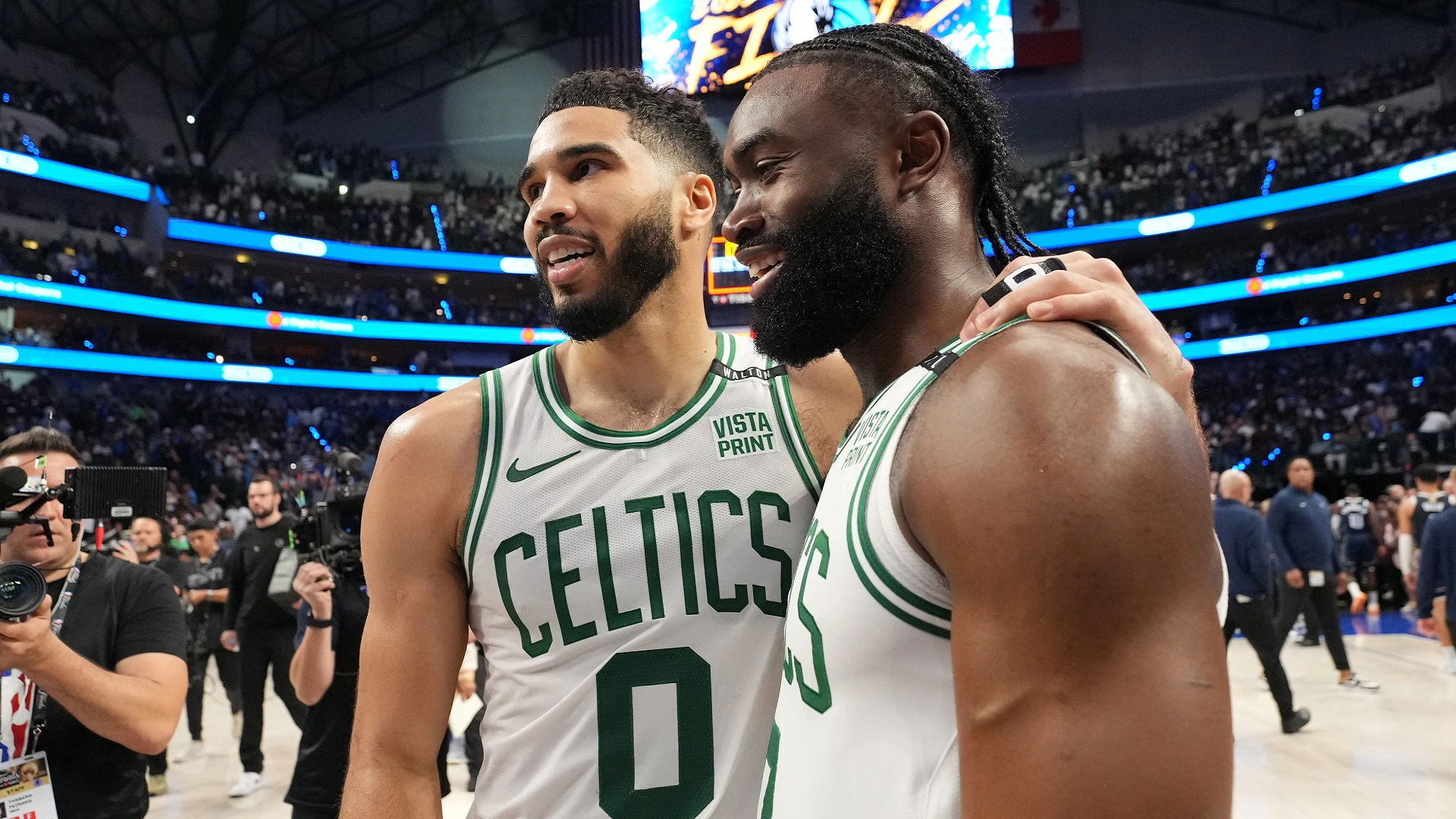
On the other hand, the Celtics demonstrated a balanced team approach, with multiple players stepping up at crucial moments. The depth in their roster could serve as a significant advantage as they head deeper into the season. Specifically, their ability to rotate players and maintain stamina could allow them to sustain performance through the grueling playoff schedule. Notably, the team’s ability to adapt their game plan mid-match showcases their coaching acumen and the players’ versatility.
Looking ahead, future matchups between these two iconic franchises hold intriguing potential. Should they face each other again in the playoffs, the statistical nuances observed in this game, including the effectiveness of bench players, offensive plays, and defensive matchups, will be critical factors influencing the outcome. Furthermore, as the season progresses, both teams must focus on refining their gameplay, leveraging their strengths, while actively addressing any weaknesses. The implications of these statistics extend well beyond mere numbers; they suggest strategic adjustments that could significantly impact their playoff prospects and overall performance in the coming weeks. With the right focus and commitment, both teams can enhance their chances of success as they vie for a championship title.
