


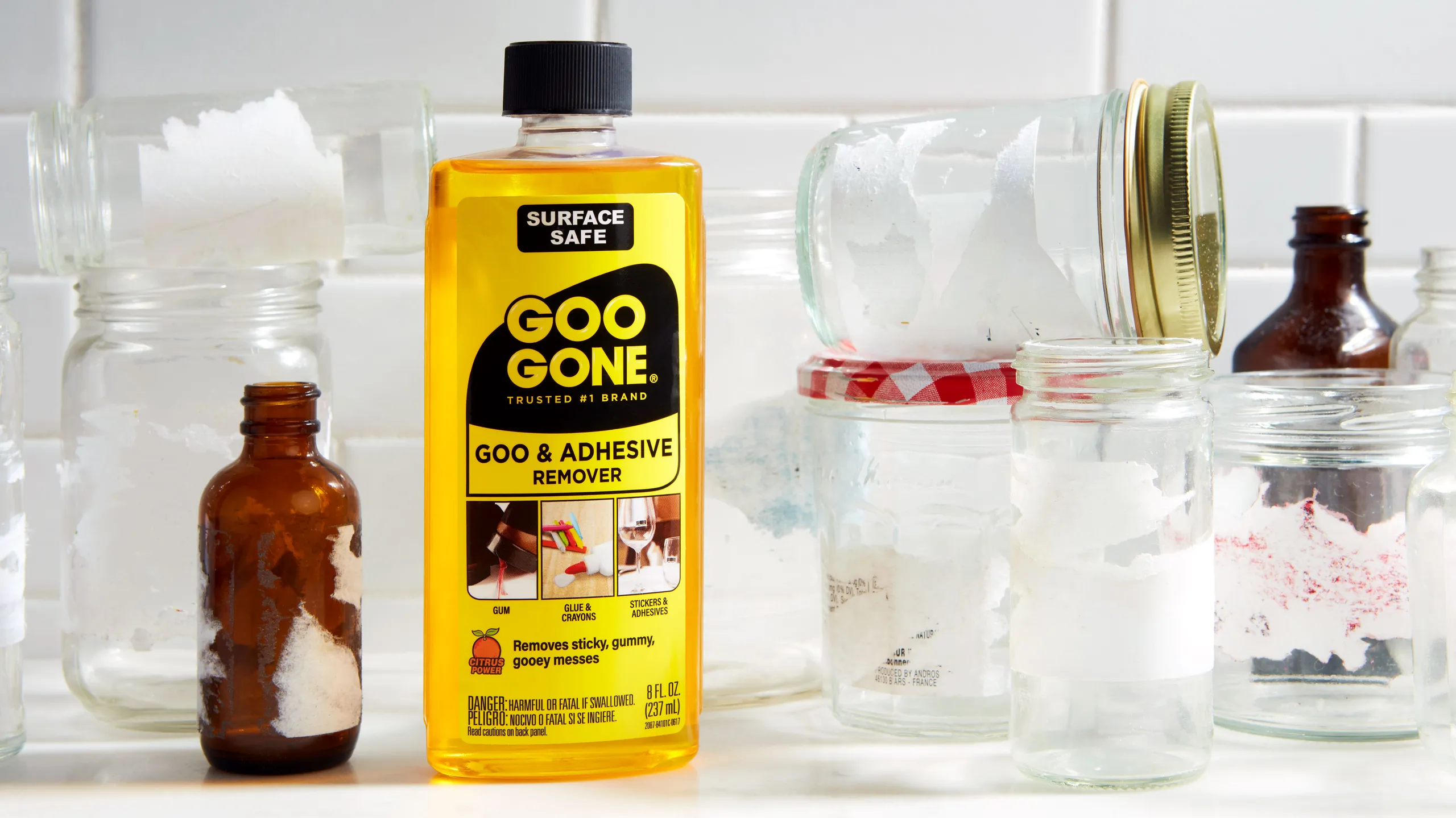
Introduction to Goo Gone
Goo Gone is a widely recognized and versatile adhesive remover, developed to tackle sticky messes and stubborn residues in various settings. Initially created in the early 1990s, its formulation was designed to address the common household issue of removing gooey substances without damaging surfaces. Since its inception, Goo Gone has gained considerable popularity among consumers, thanks to its effectiveness and ease of use.
The primary purpose of Goo Gone is to aid in the removal of adhesives, grease, and other sticky residues that can be challenging to manage. Its unique blend of ingredients is specifically formulated to dissolve adhesives without harsh chemicals, making it a great choice for both home and professional use. The product line encompasses several types, each tailored for different applications, from household chores to automotive cleaning.
products primarily consist of citrus-based ingredients, which serve as the primary solvent in its formulations. The citrus scent offers a pleasant alternative to the chemical-heavy odor commonly associated with many cleaning products. Additionally, the presence of other key ingredients ensures that Goo Gone effectively breaks down tough messes while remaining safe for various surfaces such as wood, glass, and metal.
This adhesive remover is commonly used to extract residue left by stickers, tape, labels, and other adhesives, making it an indispensable tool for parents, DIY enthusiasts, and professionals alike. Its growing reputation as a trusted brand is attributed to its proven efficacy, making it a preferred solution in households across the globe. As we delve deeper into the specific applications and benefits of Goo Gone, it becomes evident why so many consider it an essential aide in the battle against sticky situations.
How Goo Gone Works
renowned for its capability to tackle stubborn messes, but the science behind its effectiveness is often less understood. At the core of Goo Gone’s formula is a carefully engineered blend of solvents and surfactants, which play crucial roles in dissolving adhesives, oils, and residues. Solvents, in general, are substances that can dissolve solutes, leading to a homogeneous mixture. In this formulation, the solvents work by breaking down the cohesive bonds present in materials such as stickers or tape residue, facilitating their removal.
The primary solvent used in citric terpenes, derived from citrus fruits. This natural ingredient not only has a pleasant fragrance but also acts as a powerful adhesive remover. The unique structure of these terpenes allows them to penetrate the stubborn residue, effectively loosening the grip of adhesives on surfaces. When Goo Gone is applied, the solvent interacts with the molecular structure of adhesives, reducing their viscosity and making them easier to wipe away.
In addition to solvents, surfactants in Goo Gone break the surface tension between the mess and the cleaning surface. By doing so, they allow the product to spread more easily, enabling it to reach all areas of a stubborn stain. The combination of these chemicals creates a synergistic effect, enhancing the overall cleaning capability of the product.
Lastly, the user-friendly application method further amplifies the effectiveness of Goo Gone. When applied, the product’s formula adheres to the residue, ensuring a prolonged contact time that is essential for breaking down stubborn substances. This makes Goo Gone not only an efficient choice for cleaning but also a practical one, as it integrates scientific principles into everyday cleaning tasks that require the removal of tough messes.
Common Uses for Goo Gone
Goo Gone is a versatile cleaning solution that effectively addresses a variety of stubborn messes encountered in daily life. This product is particularly adept at tackling adhesive residues that linger after the removal of labels, stickers, and tape. For instance, if you’ve ever tried to peel a price tag off a new item only to find the sticky remnants clinging to the surface, Goo Gone comes to the rescue. By applying a small amount of this solution to the residue and allowing it to sit for a few minutes, you can easily wipe the area clean with a cloth, restoring the item’s appearance.
Another common application for Goo Gone is the removal of crayon marks from walls and furniture. Parents often face challenges when their children use crayons to express their creativity. Instead of resorting to harsh chemicals that might damage paint or finishes, Goo Gone provides a gentle yet effective way to erase such artistic expressions. Simply apply the product to the affected area, let it penetrate the waxy crayon residue, and wipe it away. The result is a clean surface without the stress of permanent marks.
Goo Gone also proves invaluable when addressing sticky residues left by tape or stickers. Whether you are unboxing deliveries or removing old stickers from surfaces, this product helps in eliminating those unpleasant, gummy substances. A quick application, combined with a little patience, allows you to clear the surface without scratching or damaging the underlying material.
In summary, Goo Gone is your go-to solution for effectively handling common messes around the home and in various scenarios. Its multi-faceted uses—from tackling sticky labels and crayon marks to managing tape residue—make it an essential item for any household cleaning arsenal.
How to Safely Use Goo Gone
Using Goo Gone effectively requires careful preparation and adherence to safety measures to prevent any damage to surfaces or harm to individuals and pets. To begin, it is crucial to identify the surface where you will be applying Goo Gone. This product is versatile but may affect certain materials negatively. Always check the manufacturer’s guidelines or do a spot test in a less visible area, especially on fabrics, painted surfaces, or wood finishes.
Prior to application, ensure that the area is clean and dry. Gather necessary tools such as a soft cloth, sponge, or brush, which can aid in the smooth application of the product. Protect the floor and adjacent surfaces by placing a drop cloth or newspaper underneath the work area to prevent potential drips and spills.
When using Goo Gone, it is vital to apply it in a well-ventilated area. This not only enhances the evaporation of fumes but also promotes a safer working environment. Open windows or use fans to circulate air effectively. For households with children and pets, ensure that they are kept out of the treated areas until cleaning is complete and surfaces are fully dried. It is advisable to use Goo Gone during hours when children and pets are not present to minimize any accidental exposure.
In terms of application, apply a small amount of Goo Gone directly onto the affected area and allow it to penetrate for the recommended duration. Avoid excessive scrubbing which may damage the surface. Instead, gently wipe with your cloth or sponge until the residue is lifted. Afterward, it is crucial to clean the surface with warm, soapy water to remove any remaining Goo Gone residue, ensuring that the area is left safe for future use.
Goo Gone Alternatives: What You Can Use Instead
While Goo Gone is a popular choice for removing sticky residues and stubborn messes, there are several effective alternatives available that may be found in most households. These alternatives include vinegar, rubbing alcohol, cooking oil, and various homemade solutions, each with its unique properties and effectiveness.
Vinegar is a natural solution known for its acidic properties. It can effectively dissolve adhesive residues left by stickers or tape. A mixture of equal parts vinegar and water can be applied to the sticky area, allowing it to sit for a few minutes before gently scraping off the residue. However, it is essential to note that vinegar may not be suitable for all surfaces, particularly porous materials, as it can cause damage or discoloration.
Rubbing alcohol is another versatile alternative. It works particularly well on surfaces like glass and plastics. By saturating a cotton ball or cloth with rubbing alcohol and rubbing it on the sticky area, most residues can be lifted with relative ease. While it is effective, excessive use may lead to drying or damage on more delicate surfaces.
Cooking oil, such as olive or vegetable oil, can also serve as an excellent alternative for removing sticky traces. The oil’s lubricating properties allow it to penetrate and loosen adhesive substances. However, it’s crucial to follow up with a soapy water wash to prevent any oily residue from remaining on the object.
Homemade solutions, such as combining baking soda and coconut oil, can also be employed to tackle sticky messes. This mixture not only removes residue effectively but is also gentle on surfaces. Ultimately, the choice of alternative will depend on the type of surface you are treating and the nature of the sticky substance. All these options offer unique advantages and potential drawbacks, making them worth considering in place of Goo Gone.
Effective Cleaning Tips and Tricks Using Goo Gone
Goo Gone is an indispensable solution for tackling stubborn messes, but knowing how to use it effectively can make all the difference in your cleaning endeavors. Here are some practical tips and methods for utilizing this powerful cleaner across various surfaces and scenarios.
First and foremost, selecting the right application tool is crucial. For detailed work, such as removing stickers or labels, a plastic scraper or an old credit card can be an ideal choice. For larger areas, a soft cloth is recommended to evenly distribute the Goo Gone and to prevent damage to the surface being cleaned. When using Goo Gone on delicate surfaces, such as painted or finished wood, it’s advisable to apply the cleaner to a cloth rather than directly onto the surface.
To effectively target tough stains, the process usually involves a simple three-step method. Begin by applying Goo Gone directly to the affected area and letting it sit for several minutes. This dwell time allows the formula to penetrate and break down the adhesive or stain. Afterward, gently scrub the area with your chosen tool, ensuring you do not apply excessive force. Finally, wipe away any residue with a clean cloth dampened with warm water.
Different surfaces may require slight adjustments in technique. For example, when using Goo Gone on carpets or fabrics, it is essential to test the product on an inconspicuous area to ensure colorfastness. For glass surfaces, a simple spray followed by wiping with paper towels can yield excellent results without streaking. Additionally, remember to always ventilate the area during use, as the product may have potent fumes.
In conclusion, utilizing these practical cleaning tips ensures you get the most out of Goo Gone. By selecting appropriate tools and adjusting your methods based on the type of surface, you can confidently tackle a wide range of stubborn messes in your home or workspace.
Customer Reviews and Experiences with Goo Gone
Goo Gone has garnered a substantial amount of feedback from customers across various platforms, showcasing a diverse range of experiences with the product. Many users praise its effective removal of sticky residues, such as adhesive labels and tape, which often pose a challenge in cleaning. One customer shared their experience of using Goo Gone to remove an old price tag from a glass figurine, indicating that within minutes, the residue lifted away with minimal scrubbing. This anecdote illustrates the effectiveness of Goo Gone in handling stubborn messes.
Moreover, the versatility of Goo Gone has been noted by several users. People have reported success stories of using the cleaner on a variety of surfaces, including wood, metal, and plastic. For instance, a homeowner recounted using Goo Gone to eliminate sticky remnants left behind by a bumper sticker on their car. The user expressed satisfaction with how quickly and effortlessly the product worked, leading to a clean and residue-free surface without damaging the car’s paint. Such testimonials highlight the product’s reliable performance in different scenarios.
However, not all feedback is overwhelmingly positive. Some users have experienced difficulties when using Goo Gone on textured surfaces or fabrics, leading to concerns about potential stains or discoloration. For example, a consumer reported that after using the product on a fabric couch, there was a noticeable change in color in the treated area. This feedback serves as a reminder that while Goo Gone is effective, users should exercise caution and always conduct a patch test on sensitive materials before full application.
Overall, customer reviews reveal a balanced perspective on Goo Gone, showcasing both its effectiveness for stubborn messes and the need for careful handling in specific situations.
Where to Buy Goo Gone
Goo Gone is a versatile product widely recognized for its ability to remove sticky residues and tough stains. Its popularity means that it is readily available in various retail locations and online platforms. When looking to purchase Goo Gone, consumers can find it in major retail chains that carry household cleaning products. Stores like Walmart, Target, and home improvement stores such as Home Depot and Lowe’s typically have Goo Gone on their shelves. These locations often stock the standard Goo Gone formula, as well as variations tailored for specific cleaning tasks.
In addition to physical retail spaces, Goo Gone can be easily purchased through numerous online platforms. Shopping websites like Amazon and eBay provide consumers with the convenience of home delivery. Online retailers may also offer exclusive sizes or multipacks that are not always available in stores. When buying online, it is advisable to compare prices and check for promotions or bulk discounts, which can provide significant savings.
Pricing for Goo Gone can vary depending on the location and product type. Generally, standard sizes range from $5 to $15, with larger quantities or special formulas potentially costing more. Consumers seeking a larger selection, including specialty products such as Goo Gone Pro or Goo Gone Adhesive Remover, may find better options at dedicated cleaning supply stores or specialized online shops. These retailers often have knowledgeable staff who can assist with product selection for specific needs.
In summary, whether opting for the in-store experience or the convenience of online shopping, finding Goo Gone is a straightforward endeavor. The accessibility of this product across multiple platforms ensures that consumers can always rely on its effectiveness for tackling stubborn messes.
Conclusion: The Reliability of Goo Gone
In summary, Goo Gone stands out as an exceptionally effective and versatile cleaning solution for tackling a multitude of stubborn messes. Whether it’s adhesive residues, grease, or even crayon marks, Goo Gone proves to be an indispensable ally in maintaining cleanliness and organization in both homes and workplaces. Its unique formulation is designed to dissolve sticky substances without damaging most surfaces, making it a reliable option for various cleaning tasks.
The ease of use that Goo Gone offers cannot be overstated. With minimal application effort, users can effectively eliminate challenging stains and residues that typically require strenuous scrubbing or harsh chemicals. This not only saves time and energy but also fosters a more pleasant cleaning experience for individuals who struggle with tough stains. Furthermore, the product’s broad range of applications extends beyond mere cleaning; it can also aid in crafting and home improvement projects, showcasing its multifunctionality.
As a widely endorsed product, many individuals have shared their positive experiences, reinforcing the notion that Goo Gone is not just effective but also a trusted companion for daily cleaning challenges. Therefore, if you have yet to incorporate Goo Gone into your cleaning arsenal, it may be an opportune moment to do so. The impressive results and efficiency it provides will likely lead to an enhanced cleaning routine.
We invite you to try Goo Gone for yourself and discover how it can transform your approach to stubborn messes. Feel free to share your personal experiences in the comments section; your insights may help others in their cleaning endeavors.
