



Understanding the Origins and Evolution of “Goofy Ah”
The term “goofy ah” has recently surged in popularity within various online communities, especially among younger demographics engaging in social media platforms. Primarily characterized as an expressive phrase, it serves to convey a sense of silliness, absurdity, or light-heartedness. The origin of the phrase can be traced back to internet memes and humorous video content, where creators often seek to blend playful absurdity with wittiness. This phrase has gained traction as a versatile descriptor for situations that are hilariously unexpected or nonsensical.
As internet culture evolves, phrases like “goofy ah” play a pivotal role in shaping online communication. The phrase’s appeal lies not only in its inherent humor but also in its relatability. It resonates with audiences who seek to find joy in the tedium of everyday life, hence its adoption in memes, social media posts, and commentary within gaming streams. The rise of platforms like TikTok has further contributed to its spread, where short, consumable content thrives on catchy phrases that encapsulate emotion in a brief encounter.
In today’s context, “goofy ah” stands as a representation of a shared cultural language among internet users. It encapsulates a collective understanding of light-heartedness amid serious global issues and often provides an avenue for escapism through laughter. Its relevance extends beyond mere humor, reflecting the diverse capabilities of language in adapting to modern communication. While exploring its widespread usage, one can appreciate how expressions like “goofy ah” serve to connect individuals in a world increasingly dominated by digital interaction, underscoring the importance of humor in human connection.
The Cultural Significance of Goofy Ah
The phrase “goofy ah” has etched itself into the cultural fabric of social media and internet memes, symbolizing a unique blend of humor and social interaction. Its emergence can be traced back to platforms such as TikTok and Twitter, where users employ it to convey a sense of absurdity combined with playfulness. The application of this term extends beyond mere entertainment; it encapsulates a collective sentiment of lightheartedness amidst the charge of contemporary societal issues.
Within digital spaces, “goofy ah” has evolved into a linguistic marker that signifies the acceptance of silliness as a coping mechanism. For many, the term mirrors an essential aspect of online discourse, where humor serves as a refuge from the complexities of daily life. This phrase enjoys particular resonance among younger audiences, who often seek to create connections through shared moments of laughter and absurdity.
In broader contexts, the popularity of “goofy ah” reflects current trends in the humor landscape, characterized by brief, relatable content that can easily be disseminated. As memes gain traction, the phrase has become a cultural shorthand for capturing spontaneous humor in a way that resonates widely. In many instances, these interactions speak to a desire for authenticity and spontaneity, elements that are increasingly valued in a world dominated by polished online personas.
The rise of this phrase also points to the improvisational nature of communication in digital communities. It fosters an environment where linguistic creativity thrives, allowing users to shape and redefine humor through collaborative engagements. Consequently, the impact of “goofy ah” extends beyond a singular phrase, acting as a conduit for understanding the dynamism of contemporary communication styles. As users continue to harness this term, its significance will likely evolve, embodying the ever-shifting cultural landscape of the internet.
Goofy Ah in Social Media Trends
The term “goofy ah” has emerged as a notable phrase within various social media platforms, showcasing its versatility and appeal among users. Primarily, it is often employed to describe something that is humorous, absurd, or unexpected. As a result, its usage has spurred a range of trends, posts, and challenges across platforms like TikTok, Twitter, and Instagram.
On TikTok, the “goofy ah” trend has gained significant traction, where users create videos showcasing their “goofy” moments, often utilizing the term in humorous dialogue or captions. For instance, videos featuring dance challenges with exaggerated, playful movements are captioned with phrases like “just being goofy ah” to highlight the light-hearted nature of the content. Hashtags such as #GoofyAhChallenge have also started to emerge, inviting users to contribute their versions of goofy-themed content.
Twitter is another platform where the phrase has taken hold, often appearing in memes and comedic tweets that capitalize on the absurdity of situations. Tweets that reference “goofy ah” usually resonate with users who appreciate humor rooted in the bizarre. For example, a tweet may describe an outlandish event with a simple line ending in “that was so goofy ah!” This kind of expression encapsulates the humorous essence of the phrase.
Furthermore, Instagram users incorporate “goofy ah” into their posts through various means, including memes, inspirational quotes, and photo captions. Photos featuring playful or silly images often include captions that say “Feeling goofy ah today!” This trend not only showcases the personality of the user but also invites engagement and interaction.
Overall, the growing popularity of the “goofy ah” phenomenon across social media platforms highlights its unique ability to connect and entertain diverse audiences, contributing to a shared sense of humor. As these platforms continue to evolve, the term is likely to further cement its place in online vernacular.
Memes and Goofy Ah: A Perfect Match
The rise of the term “goofy ah” can largely be attributed to the pervasive nature of internet memes. These humorous images, often combined with text, serve as a vehicle for cultural reference and expression, allowing concepts like “goofy ah” to become entrenched in the digital lexicon. Memes inherently thrive on relatability and shared experience, making them a suitable medium for popularizing phrases that resonate with users. As online communication evolves, memes have created an engaging way to convey thoughts and emotions succinctly.
One notable example of a meme utilizing the phrase is the “Goofy Ah Sound” meme, which typically features a range of whimsical scenarios or characters accompanied by a clip of the Goofy character laughing. This particular meme highlights absurdity and humor, often employing exaggerated expressions or actions that embody the essence of being “goofy ah.” The juxtaposition of relatable experiences with the surreal nature of the content fosters a unique blend of amusement that appeals to many internet users.
An additional example can be seen in the “Goofy Ah Bizarre” meme series, where images of odd happenings are overlaid with text referencing the goofy nature of the situation. These memes often invite commentary from viewers, sparking a dialogue around the amusing absurdity depicted. By encouraging users to share their interpretations or contribute their own goofy ah moments, these memes cultivate a community that revels in humor.
In essence, the humor derived from these memes not only popularizes the phrase “goofy ah” but also solidifies its presence within meme culture. By engaging with the absurd, users find a form of entertainment that is both relatable and shareable, contributing to the ongoing evolution and acceptance of the term in various online communities.
Celebrity and Influencer Usage of Goofy Ah
The emergence of the “goofy ah” phrase in online culture has been notably amplified by its adoption among celebrities and influencers. This informal expression, often used to convey a light-hearted or humorous sentiment, is finding its place within their social media content and public personas. Influencers, in particular, have tapped into its playful connotations, employing it to resonate more closely with their audience. By integrating the “goofy ah” terminology into their posts, they foster a sense of familiarity and relatability, thereby enhancing viewer engagement.
Such usage not only personalizes their interaction but also cultivates a community atmosphere within their follower base. The phrase often accompanies memes or fun videos, capitalizing on the entertainment factor. This trend seems to create a cycle of interaction, where followers feel encouraged to engage further through comments, shares, and reactions. This leads to increased visibility of the phrase as it circulates across platforms, thereby elevating the overall presence of “goofy ah” in popular culture.
Moving beyond influencers, various celebrities have adopted “goofy ah” to add an element of levity to their own branding. By using humor as a tool, they can humanize themselves in an otherwise polished image. This form of communication is particularly effective because it breaks down traditional celebrity barriers, allowing fans to feel more connected. The extent of this engagement highlights not only an understanding of modern digital communication styles but also indicates how viral trends can shape interactions. Ultimately, the strategic use of “goofy ah” showcases how language—especially in its colloquial forms—can be leveraged to deepen audience relationships and enhance overall visibility in the crowded digital landscape.
Creating Your Own Goofy Ah Content
To successfully create your own ‘goofy ah’ content, it is important to understand certain elements that contribute to its charm and shareability. The “goofy ah” phenomenon thrives on unexpected humor, absurdity, and authenticity, which are crucial when crafting engaging material.
First and foremost, embracing a sense of spontaneity can significantly enhance the appeal of your content. This means you should allow room for improvisation; often, the wittiest and most unplanned moments are what resonate with audiences. Whether it’s a quick video skit or a series of funny memes, aim for a relaxed approach that invites spontaneity.
Secondly, incorporating relatable experiences is essential. Audience engagement flourishes when viewers can see themselves in the content being presented. Use real-life situations, inside jokes, or common frustrations to create a shared experience. This relatability connects with viewers on a personal level, making the content more likely to be shared across various platforms.
Additionally, humor is pivotal. The best ‘goofy ah’ content often combines silliness with a clever twist. Consider using puns, playful language, or absurd scenarios that catch people off guard. This humor can be subtle or outrageous, depending on your target audience. The key is to maintain a lighthearted tone that doesn’t alienate viewers.
Lastly, visuals play a critical role. Bright colors, quirky animations, and unconventional formats can greatly enhance the shareability of your content. Dynamic images and videos that align with the goofy theme will attract viewers’ attention and contribute to their overall delight.
By integrating these elements — spontaneity, relatability, humor, and engaging visuals — you can successfully tap into the ‘goofy ah’ phenomenon and develop content that is both entertaining and shareable. This may not only foster a sense of community among viewers but also encourage them to create and share their own interpretations of the ‘goofy ah’ genre.
Critiques and Controversies Surrounding Goofy Ah
The term “goofy ah” has rapidly become a defining phrase in various online circles, especially among younger audiences on platforms such as TikTok and Twitter. However, like any viral trend, its rise has not been devoid of criticisms and controversies. One of the primary critiques involves the perception of humor that the phrase embodies. Many argue that its usage often panders to absurdity without any substantive comedic value, leading to a form of humor that is dismissed as nonsensical rather than genuinely funny.
Additionally, there are concerns regarding the cultural implications of the phrase. Critics argue that the playful language may cross into realms of cultural appropriation, particularly if it draws from specific cultural contexts that are misrepresented or commodified for entertainment. Such perspectives urge users to be mindful of the origins and significance of the expressions they adopt, advocating for a greater sensitivity toward the cultural narratives tied to language.
Furthermore, some discussions focus on the potential for the phrase “goofy ah” to alienate certain demographics. There is a notable generational gap in understanding and appreciating the humor associated with internet trends, which can lead to feelings of exclusion among older audiences. As this term continues to circulate, it becomes crucial to recognize that humor is often subjective, and what resonates as clever or entertaining to one group might fail to evoke the same response in another.
In summary, while “goofy ah” has emerged as a popular phrase within internet culture, it carries with it a series of critiques that reflect broader societal issues. From the nature of humor itself to the significance of cultural sensitivity, these discussions highlight the complex landscape in which modern expressions are formed and propagated online.
The Future of Goofy Ah
The internet has long been a breeding ground for evolving slang and trends, with phrases quickly rising in prominence only to fade away almost as rapidly. One such expression currently capturing attention is “goofy ah,” a term that has gained traction across various social media platforms. As we look ahead, it is intriguing to speculate about the future trajectory of “goofy ah” in internet culture and its potential evolution.
As the phrase continues to resonate with users, it is likely to morph in meaning and usage. Initially, phrases often reflect humor or absurdity, which speaks to a particular moment or meme circulating online. The trajectory of “goofy ah” could see it adopted in a wider array of contexts, becoming more than just a humorous expression but perhaps evolving into a broader cultural identifier within memes and internet discourse.
With the rise of platforms like TikTok and Instagram, where brevity is key, we might see the term distill further or even blend with other emerging phrases, giving rise to new linguistic forms. This evolution may also involve the integration of “goofy ah” into various subcultures, where it could take on unique meanings based on the community using it. In this way, the term could transition into a versatile reference point applicable across diverse discussions, from entertainment to social commentary.
On the flip side, internet culture is notoriously transient; new terms can replace existing ones almost overnight. Therefore, while “goofy ah” currently enjoys popularity, it is essential to consider the possibility of its gradual decline as new expressions emerge. The cyclical nature of internet slang suggests that what is in vogue today may soon be out of favor, leading to the inevitability of change.
Conclusion: Embracing the Goofy Ah Spirit
In examining the rise of the “goofy ah” phenomenon, it becomes evident that this trend offers much more than mere entertainment. At its core, the essence of the term lies in celebrating humor and light-heartedness, which is increasingly vital in today’s fast-paced and often stressful environment. The inherent charm of the “goofy ah” attitude encourages individuals to find joy in the absurd and to not take life too seriously. This cultural shift towards embracing a more carefree disposition can serve as a significant antidote to everyday pressures.
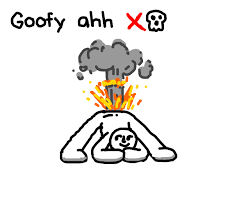
The allure of the goofy ah spirit cultivates a sense of community among those who engage with this phenomenon. It fosters connections through shared laughter and the recognition of our universal quirks. Rather than conforming to rigid societal norms, individuals are embracing their unique selves and encouraging others to do the same. This ripple effect can be transformative, leading to an overall more joyous society.
Furthermore, the implications of adopting a more goofy ah perspective extend beyond entertainment, offering a lens through which to view the world. By allowing ourselves to explore the ridiculous and the humorous, we create opportunities for personal growth, creativity, and resilience. Laughter can often be the best medicine, and by incorporating this approach into our lives, we not only uplift ourselves but also positively impact those around us.
Ultimately, the “goofy ah” phenomenon serves as a reminder of the importance of levity in our lives. Encouraging a playful mindset allows individuals to navigate hardships with a fresh perspective, reducing the weight of everyday challenges. By embracing the goofy ah spirit, we can foster an inclusive environment that celebrates humor while nurturing our collective well-being.
