


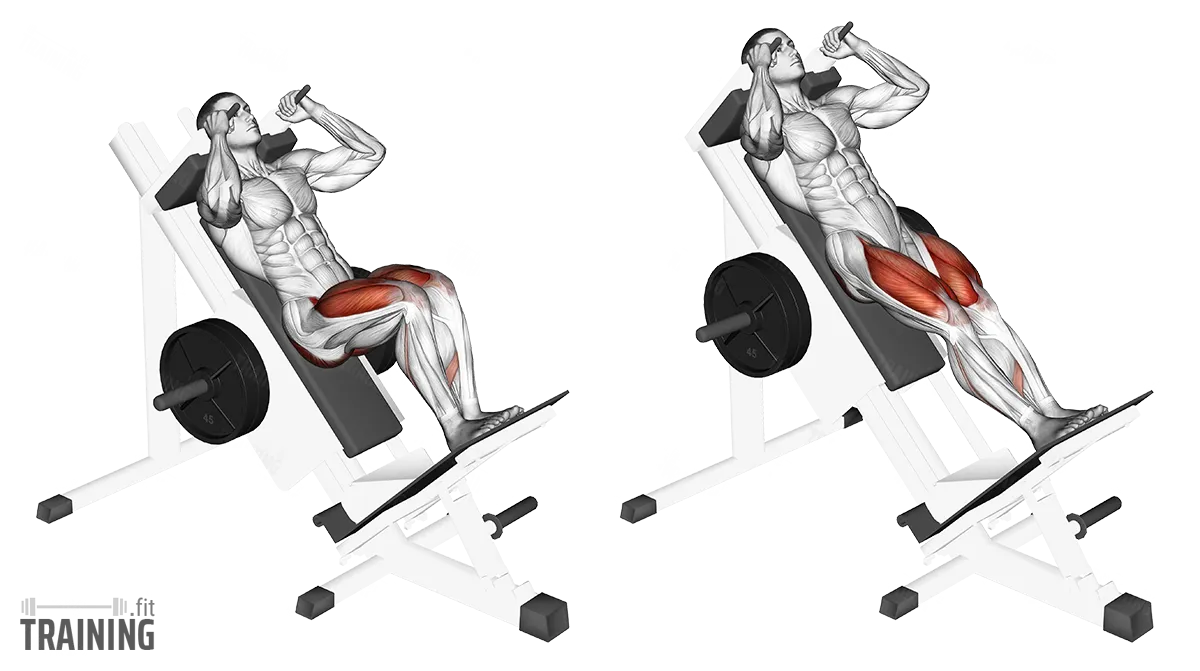
Introduction to Hack Squats
Hack squats are a popular strength training exercise that primarily targets the muscles of the legs, particularly the quadriceps, hamstrings, and glutes. This exercise allows individuals to build stronger legs through a safe and controlled motion, often performed on a specialized hack squat machine. The design of this machine provides back support and guides the movement, which can help reduce the risk of injury and allows for greater loading of the muscles involved.
The origins of hack squats can be traced back to traditional squat variations, with the positioning and mechanics altered for improved performance. The exercise is believed to have been developed in the mid-20th century and quickly gained traction in bodybuilding and strength training communities for its effectiveness and convenience. Many athletes incorporate hack squats into their routines as a way to enhance leg development and overall lower body strength.
One of the key benefits of hack squats is their ability to isolate the quadriceps while minimizing strain on the back and knees. This makes them particularly appealing for those who may have existing joint issues or are looking to diversify their leg training regimen. Additionally, hack squats can contribute to better muscle symmetry and depth, making them an excellent addition for individuals seeking to improve their physique.
Incorporating hack squats into a workout routine not only boosts strength but also enhances athletic performance in activities that require powerful leg movements. Due to their efficiency and effectiveness, hack squats are treasured by both novice gym-goers and experienced lifters alike. As an essential component of leg training, they pave the way for building a well-rounded physical foundation.
Benefits of Hack Squats
Hack squats are a compelling addition to any strength training regimen, offering numerous benefits that contribute to overall lower body strength and conditioning. One of the primary advantages of hack squats is the significant enhancement in leg muscle strength. This exercise specifically targets the quadriceps, hamstrings, and glutes, ensuring that various muscle groups in the legs are effectively engaged. Unlike conventional squats, hack squats allow for a more controlled movement pattern that emphasizes the front of the thighs, which is especially beneficial for athletes and fitness enthusiasts aiming to improve leg power.
Moreover, hack squats promote enhanced core stability. As participants perform the movement while maintaining balance against the machine, their core muscles are activated to provide stabilization. This benefit extends beyond just the legs, as a strong core contributes to better performance in various exercises and everyday activities. Improved core strength can lead to diminished risks of injury and enhanced athletic performance in sports that require quick movements or changes in direction.
Joint health is another aspect positively influenced by hack squats. By utilizing the hack squat machine, individuals can lower the risk of injury associated with improper squat techniques commonly seen in free weight squats. The machine guides the movement and minimizes undue stress on the knees and lower back. Additionally, hack squats enable targeted muscle engagement without compromising joint alignment, making this exercise suitable for rehabilitation purposes as well.
Furthermore, hack squats provide the unique advantage of isolating specific muscle groups. By adjusting foot positioning and stance width while performing this exercise, individuals can preferentially target various parts of the leg, tailoring their workouts to meet specific fitness goals. This versatility makes hack squats a valuable option when compared to other squat variations, offering a comprehensive approach to developing stronger legs.
Proper Form and Technique for Hack Squats
Hack squats are an effective exercise for developing stronger legs, particularly targeting the quadriceps, hamstrings, and glutes. To perform hack squats with the appropriate form and technique, certain key elements must be considered to ensure safety and maximize effectiveness.
Initially, positioning is crucial. Start by standing on the hack squat machine, with your back firmly placed against the padded surface. Your head should remain neutral, looking forward rather than upwards or downwards to maintain spinal alignment. Grasp the handles on either side of the machine to provide additional stability throughout the movement.
Foot placement plays a vital role in the effectiveness of hack squats. Position your feet shoulder-width apart on the platform, ensuring that your feet are flat and evenly positioned. Depending on your personal goals or comfort level, you might experiment with slight variations in foot placement. A higher position on the platform places more emphasis on the quadriceps, while a lower position can engage the glutes and hamstrings more effectively.
Depth of the squat is another critical aspect to consider. Lower yourself by bending your knees while maintaining the natural curve of your back. Aim to descend until your thighs are parallel to the ground, ensuring that your knees do not extend beyond your toes. This positioning not only helps in recruiting the appropriate muscle groups but also reduces the risk of injury.
Common mistakes to avoid include utilizing excessive weight that compromises form, failing to maintain proper spinal alignment, and rushing through the movement. Always prioritize proper technique over lifting heavier weights, as poor form can lead to injuries and diminish the benefits of the exercise. By adhering to these guidelines, individuals can effectively incorporate hack squats into their leg workout routine for optimal results.
Hack Squats vs. Traditional Squats
When considering leg development exercises, both hack squats and traditional squats are popular, yet they differ significantly in execution, muscle engagement, and overall effectiveness. Understanding these differences can guide individuals in selecting the right exercise for their fitness goals.
Starting with muscle activation, hack squats primarily target the quadriceps while also engaging the hamstrings and glutes. The placement of the weight and the angle of the movement allows for concentrated tension on the front of the legs. In contrast, traditional squats provide a more comprehensive leg workout by engaging not only the quadriceps but also the hamstrings, glutes, and lower back. This multi-muscle engagement makes traditional squats a more functional exercise as they mimic everyday movements like lifting and standing.
In terms of difficulty level, hack squats may be regarded as beginner-friendly due to their guided motion. The hack squat machine stabilizes the body, reducing the risk of injury during execution, particularly for those who may lack experience with free weights. Traditional squats require more balance and coordination, as they are performed without equipment or assistance. This can make them more challenging, especially for novices. However, as strength and technique improve, traditional squats can produce greater benefits in strength and muscle development.
Overall effectiveness is subjective and largely depends on individual fitness goals. For those looking to isolate and build quadriceps strength, hack squats may be preferable. However, for individuals aiming for all-around leg strength and improved functional movements, traditional squats are typically more beneficial. Ultimately, incorporating both exercises into a well-rounded fitness regime can yield optimal results for leg development.
Variations of Hack Squats
Hack squats are a highly effective exercise designed to target the quadriceps, glutes, and hamstrings. To help individuals incorporate this powerful movement into their fitness routines, it is essential to explore the various hack squat variations available. These modifications can cater to different fitness levels and preferences, offering alternatives that may enhance overall leg strength and stability.
One of the most common methods to perform hack squats is by using a hack squat machine. This equipment allows users to safely execute the movement while providing support and stability, making it suitable for beginners or those recovering from injuries. The machine guides the motion, ensuring that the individual maintains proper form throughout the exercise. This controlled environment can lead to better muscle engagement and ultimately greater strength gains.
A prominent alternative is the barbell hack squat, which can be performed in a slightly different manner. In this variation, the barbell is positioned behind the legs, allowing for a different range of motion and engaging the muscles in a distinct way. Barbell hack squats can be performed either with the barbell resting on the shoulders for added resistance or with a low-bar positioning for a more dynamic workout. This approach helps to build functional strength and can be easily adjusted for a wide range of fitness levels.
Other modifications to consider include the single-leg hack squat and the use of resistance bands or stability balls. Single-leg hack squats challenge balance and symmetry, while resistance bands can add extra tension to the movement, stimulating greater muscle activation. Stability balls can be used in a hack squat variation by placing them behind the back against a wall, acting as a support during the squat. Incorporating these variations can help diversify your training routine, keeping workouts engaging while providing comprehensive leg development.
Incorporating Hack Squats into Your Workout Program
Integrating hack squats into your weekly workout program can significantly enhance leg strength and overall muscle development. To effectively incorporate this exercise, it is imperative to consider the right workout splits and rep ranges that align with your fitness goals. A well-structured program can maximize the benefits of hack squats.
A common approach is to include hack squats as part of a dedicated leg day within a split routine. For instance, many individuals choose a push/pull/legs split, allowing specific focus on the lower body while giving adequate recovery time for the muscles. This may involve training legs once or twice a week, depending on individual recovery and training capacity. Targeting hack squats on a primary leg day can ensure they receive the necessary attention and intensity.
When it comes to rep ranges, utilizing a moderate approach can be beneficial for muscle hypertrophy. Generally, performing hack squats for 8-12 repetitions in 3-4 sets strikes a good balance between strength and muscle endurance, allowing for substantial gains. Conversely, if the goal is to develop strength, lower rep ranges (around 4-6) with heavier weights can also be effective, while adjusting rest times between sets to allow for maximal recovery.
Progressive overload is crucial to prevent plateaus and continue achieving gains. This can involve gradually increasing the weight lifted, increasing the number of repetitions, or even modifying the tempo of the exercise to add difficulty. For instance, slowing down the eccentric phase of the hack squat can enhance muscle tension and engagement. Tracking your progress is vital; making systematic changes ensures your body is continuously challenged.
Incorporating hack squats into your regimen, along with thoughtful planning regarding workout splits, rep ranges, and progressive overload, can lead to impressive improvements in leg strength and overall fitness levels.
Common Mistakes to Avoid
Hack squats are an effective exercise for building stronger legs, yet many individuals make common mistakes that can lead to injuries or reduced effectiveness. Understanding these mistakes and how to avoid them is essential for achieving optimal results in your leg workouts.
One frequent mistake is improper foot placement. Many people tend to place their feet too wide or too narrow, which can alter the mechanics of the squat. Proper foot positioning, generally shoulder-width apart, allows for a more natural motion and better activation of the leg muscles. It is important to adjust your stance to ensure it feels comfortable and allows for a full range of motion.
Another mistake involves neglecting core stability. During a hack squat, it is vital to engage your core muscles to maintain proper form. Failing to do so can lead to excessive rounding of the back or forward lean, which increases the risk of injury. To avoid this, practice engaging your core by tightening your abdominal muscles before you begin the squat.
Additionally, many individuals lift too heavy weights too soon, leading to poor form. Starting with a manageable weight is crucial when learning the hack squat. This not only allows you to focus on performing the movement correctly, but also helps in preventing strain and injury to your knees and back. Progressively increase the weight as your strength improves, ensuring that you maintain proper form throughout the exercise.
Lastly, neglecting warm-up and cool-down routines can hinder performance. Take time to perform dynamic stretches before your workout to prepare your muscles. Similarly, cooling down and stretching post-exercise helps in recovery and reduces the risk of muscle soreness.
Hack Squats and Muscle Recovery
After engaging in hack squats, a physically demanding exercise targeting the quadriceps, hamstrings, and glutes, effective muscle recovery becomes essential for continued performance and strength gains. Recovery allows the muscles to repair and adapt, ensuring optimal growth and reducing the risk of injury. Key techniques for enhancing muscle recovery include proper nutrition, stretching, and implementing rest days into your training regimen.
Nutrition plays a pivotal role in muscle recovery following hack squats. Prioritizing protein intake is vital, as it helps repair and build muscle tissue damaged during the workout. Consuming a balanced meal rich in protein and carbohydrates within an hour of finishing your workout can replenish glycogen stores and facilitate muscle repair. Moreover, staying hydrated helps to maintain overall performance and further supports recovery efforts by ensuring that nutrient transport throughout the body is efficient.
Incorporating stretching into your post-workout routine is another critical aspect of muscle recovery. Gentle static stretches focusing on the major leg muscles can enhance flexibility and alleviate any tightness resulting from the hack squat exercise. Additionally, dynamic stretching before the workout can prepare the muscles, making them more resilient to strain. Furthermore, foam rolling can provide myofascial release, allowing for better blood flow to the affected areas and speeding up the recovery process.
Finally, allocating sufficient rest days between hack squat workouts is crucial for optimal muscle recovery. Muscles do not grow during the workout; instead, growth occurs during rest. A well-structured training routine that includes recovery days helps prevent overtraining and minimizes soreness, enabling individuals to return to their workouts rejuvenated and ready to progress. By focusing on nutrition, stretching, and rest, individuals can maximize their efforts with hack squats and promote healthier, stronger legs.
Conclusion and Final Thoughts
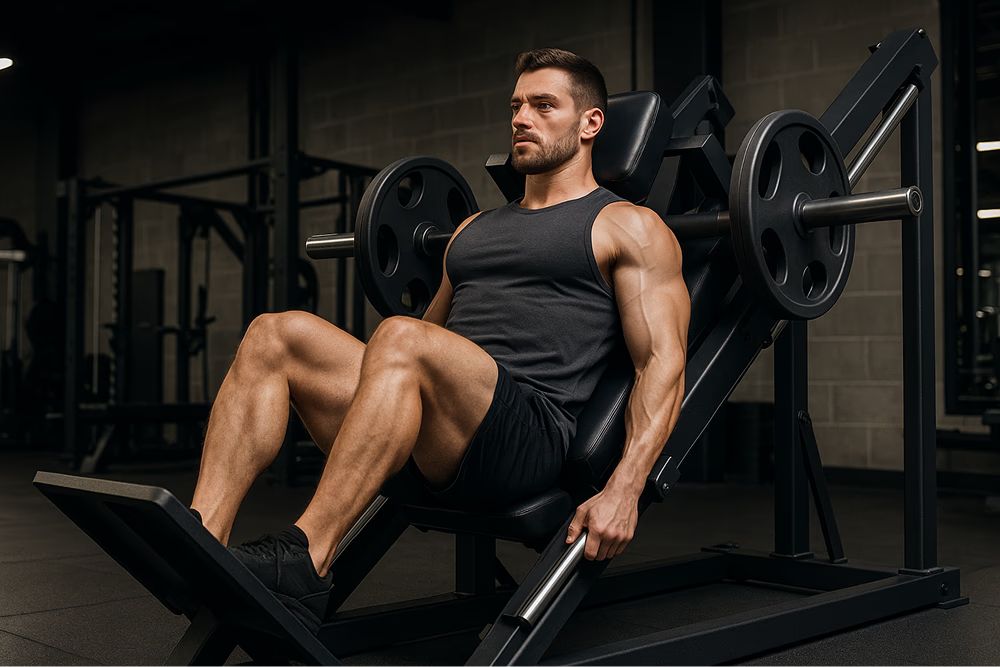
Throughout this article, we have explored the numerous benefits of incorporating hack squats into a fitness routine. This exercise not only targets the quadriceps but also engages the glutes, hamstrings, and calves, making it a comprehensive lower-body workout. The unique position of the hack squat machine allows for proper form, reducing the risk of injury while maximizing muscle engagement. Furthermore, hack squats can serve as an excellent alternative or complement to traditional squat variations, helping to diversify workout regimens.
One significant advantage of hack squats is their ability to isolate the legs, enabling individuals to focus on building strength without putting excessive strain on the lower back. This makes it an appealing choice for those new to resistance training, as well as seasoned athletes aiming to enhance their leg development. When integrated regularly into a workout program, hack squats can lead to substantial improvements in lower body strength, muscular endurance, and overall athletic performance.
Moreover, the versatility of the hack squat allows for progression over time. Whether adjusting the load, altering the stance, or experimenting with training variables like tempo and volume, individuals can consistently challenge themselves. As with any exercise, one should maintain proper technique to reap the full benefits and minimize the risk of injury.
We encourage readers to incorporate hack squats into their fitness routines. Not only will it contribute to stronger, more resilient legs, but it will also enhance overall body mechanics and physical capability. As with all exercises, consider starting with a manageable weight and adjust as strength increases. Embrace this exercise to work towards your fitness goals effectively.
