


Introduction to Moon Phase Compatibility
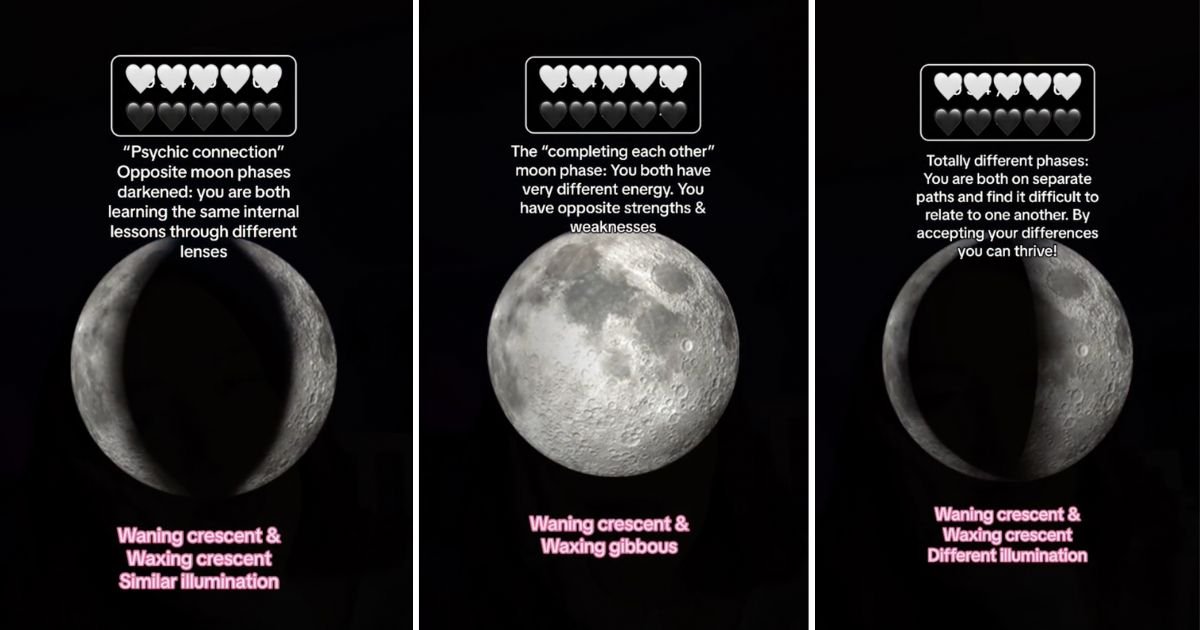
Moon phase compatibility is an intriguing concept rooted in astrological beliefs that posits a connection between the lunar cycle and human relationships. In astrology, the moon plays a pivotal role, influencing emotions, instincts, and interpersonal dynamics. As the moon transitions through its various phases—new moon, waxing crescent, first quarter, waxing gibbous, full moon, waning gibbous, last quarter, and waning crescent—it is believed to impact the energies surrounding individuals and their interactions with others. Understanding these phases can provide invaluable insights into compatibility between partners.
The significance of the moon in astrology cannot be overstated. It is moon phase compatibility often associated with the subconscious, guiding our emotional responses and intuitions. The lunar phases not only reflect tangible changes in the night sky but also resonate with our inner selves, shaping how we perceive and engage with those around us. For instance, individuals born under a full moon may exhibit traits associated with heightened energy and extroversion, whereas those born during new moons frequently embody themes of introspection and new beginnings.
As observers of astrological patterns, proponents of moon phase compatibility suggest that the time of one’s birth, specifically the moon phase, can dictate compatibility with others. Each phase is thought to bring distinct qualities that may either harmonize with or challenge those of another, ultimately influencing the nature of their relationship. Consequently, exploring moon phase compatibility allows individuals to gain a deeper understanding of their emotional landscapes and the dynamics that govern their connections with others.
Understanding the Moon Phases
The lunar cycle consists of eight primary phases, each influencing emotional and relational dynamics. Understanding these phases can offer insights into how they affect interactions and compatibility between individuals.
The first phase is the New Moon. This phase symbolizes new beginnings and intentions. It is a time for reflection and setting goals, providing an opportunity for individuals to contemplate their desires and aspirations in relationships. This phase encourages partnerships to unify in intention, as it represents a blank slate.
Next is the Waxing Crescent. This phase marks a period of growth and development. Relationships blossoming during this time often embrace optimism and potential. Partners may find increased communication and shared planning as they explore the possibilities ahead.
The First Quarter follows, defining a time of action and decision-making. This phase presents challenges that prompt individuals to confront obstacles in their relationships. It is crucial for partners to work collaboratively to navigate these trials, fostering growth and harmony.
During the Waxing Gibbous, energy shifts to refinement and honing aspects of relationships. This phase encourages individuals to pay attention to the details of their interactions, fostering deeper connection and understanding. It is a favorable time for couples to strengthen their bonds before the peak of the cycle.
The peak is reached at the Full Moon, representing culmination and enlightenment. Emotions run high, making it essential for partners to be open and honest. This phase often reveals truths, allowing relationships to deepen or, conversely, to face significant challenges.
As the cycle progresses into the Waning Gibbous, reflection and gratitude take center stage. Relationships can benefit from acknowledging what has been experienced together, reinforcing connections and shared goals.
Next is the Last Quarter. This phase is about letting go and seeking closure from any unresolved issues. Partners are encouraged to release what no longer serves their relationship, paving the way for renewal.
Finally, the Waning Crescent concludes the cycle with introspection. This period allows individuals to recharge and evaluate their emotional landscape. Acknowledging past experiences can inform how they approach future relationships.
How Moon Phases Affect Personality Traits
The moon has long been a fascinating element in astrology, influencing not only the natural world but also the emotional and psychological aspects of human beings. Each of the distinct moon phases—new, waxing, full, and waning—corresponds with specific personality traits and emotional responses, which can significantly impact one’s interactions and relationships.
Individuals born under a new moon are often viewed as initiators and visionaries. This phase symbolizes new beginnings, which might make such individuals feel an innate desire to embark on new projects or relationships. They can exhibit heightened emotional intensity and sensitivity, nurturing a natural affinity for creativity and innovation. In relationships, their desire for new experiences may lead them to seek out partnerships that challenge the status quo.
The waxing phase, characterized by growth and expansion, often brings forth qualities such as optimism, ambition, and a strong drive for accomplishment. Those born during this phase may approach relationships with a sense of positivity and enthusiasm, often attracting others with their vibrant energy. Their innate ability to manifest goals may create a nurturing dynamic in their personal connections, although they must be cautious about overextending themselves.
Conversely, individuals whose birthdays coincide with the full moon tend to exhibit traits linked to authenticity and self-awareness. The illuminating nature of the full moon encourages honesty and openness, making these individuals highly expressive in relationships. They often carry an aura of magnanimity, attracting others through their charm and charisma. However, they may also encounter challenges related to emotional highs and lows, as their feelings can fluctuate with the cyclical changes of the moon.
Lastly, those born under the waning moon phase are frequently seen as contemplative and introspective. The energy of this phase suggests a focus on reflection and retreat, which can influence their interpersonal dynamics. Such individuals may prefer deeper, more meaningful relationships, honing the ability to empathize and understand emotions. However, their introspective nature might also lead to bouts of melancholy, which can affect their connections if not balanced properly.
The Science Behind Moon Phase Influence
The moon has long been a subject of fascination, not only for its beauty but also for the potential influence it may exert on human behavior and emotions. Historically, many cultures have associated lunar phases with various psychological and physical states. Modern scientific research has sought to explore how these celestial changes may correlate with human activity, leading to a nuanced understanding of lunar influence.
One area of study focuses on the gravitational effects of the moon. The moon’s gravitational pull is known to cause ocean tides, which has led some researchers to speculate that a similar force might affect human physiology, particularly in relation to emotional and behavioral shifts. This idea is rooted in the concept of biorythms, suggesting that lunar phases can influence mood and behavior patterns. However, empirical evidence supporting these claims remains mixed. Numerous studies have failed to establish a definitive link between moon phases and significant changes in human behavior, although anecdotal accounts continue to abound.
Another perspective comes from the field of psychology, where lunar cycles have been linked, albeit loosely, to various psychological phenomena. Some studies have suggested an increase in certain behaviors, such as heightened aggression or sleep disturbances, during specific lunar phases. Nonetheless, these findings have often been criticized for lack of rigorous statistical validation and potential confounding factors like cultural beliefs and environmental variables. Moreover, contemporary scientists caution against over-reliance on astrological interpretations, advocating for a more grounded approach that considers both cultural influences and personal agency when examining human emotions and relationships.
Considering both historical and modern perspectives provides a balanced view on the influence of moon phases. While astrology offers intriguing insights, scientific research advocates for a more critical examination of how lunar cycles interact with human experience. Understanding the dynamics between these two viewpoints may shed light on the complex relationship between the moon and our emotional landscapes.
Assessing Moon Phase Compatibility between Partners
Understanding how lunar phases influence relationships can provide valuable insights into the dynamics between partners. Assessing moon phase compatibility involves determining the specific moon phases each partner was born under. This assessment can reveal how their distinct lunar energies interact, leading to a deeper awareness of their relationship’s strengths and challenges.
The first step in assessing moon phase compatibility is to ascertain the moon phase that corresponds to the birth date and time of each partner. Various online charts and calculators can facilitate this process. For instance, a simple search for a “moon phase calculator” will yield numerous resources that allow individuals to input their birth date and get accurate results concerning the moon phase at their time of birth.
Once the moon phases are determined, individuals can refer to lunar compatibility resources, which often outline the characteristics associated with each phase. There are typically eight primary moon phases: New Moon, Waxing Crescent, First Quarter, Waxing Gibbous, Full Moon, Waning Gibbous, Last Quarter, and Waning Crescent. Each of these phases represents distinct qualities and emotional patterns that can influence a partner’s approach to love and relationships.
Additionally, exploring the compatibility of moon phases can be enhanced by considering a partner’s sun sign and other astrological factors. This holistic approach allows for a nuanced understanding of how lunar cycles may affect emotional needs and responses within the relationship.
In conclusion, assessing moon phase compatibility can illuminate potential compatibility dynamics between partners based on their lunar influences. By utilizing various tools and resources, individuals can gain insights that enrich their understanding of each other and foster deeper connections.
Real-Life Examples of Moon Phase Compatibility
The influence of lunar phases on relationships is often subjective, varying from person to person. However, there are numerous anecdotal accounts that illustrate the impact of moon phase compatibility on romantic partnerships, friendships, and family dynamics. Many individuals report that their emotional states and relationship dynamics can ebb and flow in correlation with the moon’s cycle.
For instance, Sarah and Tom, a couple who have been together for three years, noticed a distinct pattern in their emotional connection linked to the lunar cycles. During the new moon, they often experienced heightened conversations that led to deeper bonding. They described this time as an opportunity to set intentions for their relationship, to engage in discussions about their future, and to grow closer. Conversely, they found that during the full moon, conflicts tended to arise more frequently based on misunderstandings. Sarah noted, “It’s as if the energy from the full moon stirs up unresolved issues we’ve buried, leading us to have difficult conversations.”
On the other hand, James and Lisa’s experience presented a different facet of moon phase compatibility. As co-workers and friends, they frequently assessed their interactions based on the lunar phases. Interestingly, Lisa claimed that she felt more energetic and social during the waxing moon, which positively influenced their teamwork. Contrarily, during the waning moon, she often experienced a drop in motivation, resulting in increased tension between them. James stated, “Whenever the moon is waning, Lisa seems to withdraw, and it affects our collaboration negatively.”
These real-life examples highlight that the influence of lunar cycles can manifest in both favorable and challenging ways within relationships. Whether fostering increased connection or triggering conflict, moon phase compatibility appears to play a significant role in how individuals interact and manage their emotional landscapes together.
Practical Tips for Harnessing Moon Phase Energy
Understanding and leveraging the power of lunar cycles can significantly enhance interpersonal relationships. Each phase of the moon offers unique energies that can be aligned with specific practices, rituals, and communication strategies. The new moon, waxing moon, full moon, and waning moon each carry distinct influences that can be utilized to foster connection and understanding.
During the new moon, a time associated with new beginnings, couples can engage in rituals that promote intention-setting. This may involve writing down relationship goals or visions for the future and sharing them with each other. Consider creating a sacred space where both partners can openly express their desires and aspirations. Additionally, engaging in a self-care routine that focuses on renewal—such as meditation or journaling—can help both partners connect with their inner selves, leading to a stronger partnership.
As the moon waxes and moves towards fullness, a time of growth and expansion, it is beneficial for couples to engage in open communication. This phase invites partners to discuss their successes and joys within the relationship. Consider organizing activities that promote bonding, such as exploring new hobbies together or revisiting fond memories. These shared experiences can reinforce emotional connections and create a deeper understanding between partners.
During the full moon, which embodies culmination and illumination, partners should focus on celebrating their relationship. It is an opportune time to express gratitude and acknowledge each other’s contributions. Rituals such as candlelight dinners or writing love letters can amplify feelings of appreciation. Couples might also consider engaging in joint reflections about their journey together, fostering a deeper sense of intimacy and trust.
In the waning moon phase, it is suitable to focus on clearing negativity and emotional burdens. This can be achieved through practices such as letting go rituals, where partners individually reflect on any negative emotions they might hold. Engaging in open discussions about unresolved issues can enhance communication and facilitate healing. Mindful practices such as yoga or nature walks can also help clear the mind and foster a gentle approach to conflict resolution.
Overcoming Compatibility Challenges
In relationships, challenges related to moon phase compatibility can emerge, particularly when partners find themselves in opposing lunar cycles. This discrepancy may lead to miscommunication, emotional disconnection, or even conflict due to differing rhythms and sensitivities informed by their unique lunar influences. Recognizing and understanding these challenges is the first step in navigating them effectively.
One essential strategy for overcoming compatibility obstacles is open communication. Couples should engage in honest discussions about how each person’s moon phase influences their emotions and behaviors. Sharing insights about personal reactions and feelings during different lunar phases can foster empathy and minimize misunderstandings. This dialogue can create a foundation for effective problem-solving, allowing both partners to feel heard and validated.
Understanding is another critical component in managing moon phase incompatibility. Each partner will benefit from taking the time to explore their own emotional needs while also striving to comprehend the emotional landscape of the other. By learning about the attributes associated with each moon phase, partners can develop greater patience and acceptance. For example, if one partner is particularly introspective during a new moon, acknowledging this trait can help the other partner refrain from unnecessary frustration or disappointment.
Lastly, compromise is vital in fostering harmony in a relationship marked by lunar disagreements. Couples may need to make adjustments to accommodate each other’s emotional autonomy. This could involve scheduling quality time together during phases that are conducive to connection or setting aside individual personal space when the moon dilutes positivity. By practicing empathy, remaining open to change, and utilizing effective communication, couples can navigate the complexities of moon phase compatibility and ultimately strengthen their relationship.
Conclusion: The Power of Lunar Influence in Relationships
As we have explored throughout this article, the phases of the moon phase compatibility can play a significant role in shaping relationship dynamics. The concept of moon phase compatibility provides a unique lens through which couples can gain insights into their interactions, emotional responses, and overall compatibility. While it is essential to recognize the influence of lunar cycles, this understanding should be complemented by additional factors such as individual personality traits and life experiences.
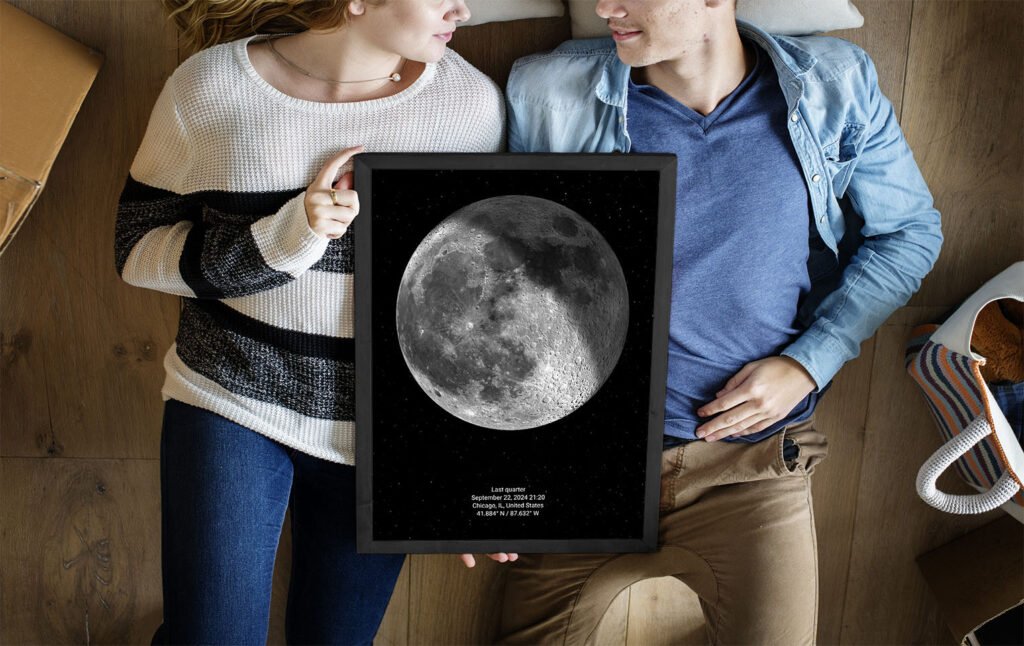
In relationships, the lunar cycles can serve as a guiding framework. For instance, a new moon may symbolize new beginnings, prompting couples to initiate fresh conversations about their aspirations and future together. Conversely, the full moon could highlight the need for open communication, as emotions often intensify during this phase. These celestial events encourage couples to reflect on their shared journey, potentially fostering deeper understanding and connection.
However, it is crucial to remember that moon phase compatibility is just one element among many that can impact relationships. The foundation of a successful partnership relies heavily on mutual respect, effective communication, and shared values. While our exploration of lunar influence provides valuable insights, it should not overshadow the importance of personal commitment and emotional investment. Couples are encouraged to navigate their connections with faith, honesty, and an open heart, utilizing lunar guidance as a helpful tool rather than a definitive measure.
In conclusion, embracing the principles of moon phase compatibility can enrich relationship dynamics, yet it is the conscious efforts of both partners that ultimately define the success of their union. By blending lunar insights with interpersonal growth, couples can embark on a fulfilling journey together, harmonizing their emotional rhythms under the guiding light of the moon.
