


Introduction to Parenting Tips
parenting tips is a profound journey, filled with triumphs and challenges alike. In the endeavor to raise children who are not only happy but also confident, understanding the principles of effective parenting becomes paramount. Parenting tips serve as invaluable resources to navigate the complexities of family dynamics, offering insights that can illuminate best practices for child-rearing.
The importance of these tips lies in their ability to provide guidance during parenting tips moments of uncertainty. Every parent, regardless of experience, faces unique challenges that can sometimes lead to doubt and confusion. Whether it is managing behavioral issues, fostering emotional resilience, or preparing children for future successes, effective parenting strategies can assist in making informed decisions that nurture healthy development.
Moreover, the landscape of parenting tips has evolved, introducing new challenges such as technology’s pervasive influence or societal pressures. Consequently, the right parenting tips can empower caregivers to foster nurturing environments that respect individuality while establishing a foundation for emotional and psychological wellbeing. These guidelines not only focus on discipline and communication but also emphasize the importance of empathy, mutual respect, and unconditional love in a family unit.
Incorporating these parenting tips into daily routines can promote a harmonious family atmosphere, elevating the overall quality of parent-child interactions. By proactively seeking out proven techniques and learning from the experiences of others, parents can create a positive framework that supports children’s growth throughout their formative years. Thus, enhancing their capacity to thrive as well-rounded individuals.
Understanding Your Child’s Development Stages
Child development is a complex process that encompasses a variety of physical, cognitive, emotional, and social changes. Understanding the different stages of development, from infancy to adolescence, is essential for parents aiming to raise happy and confident children. Each stage presents unique needs and characteristics that can significantly influence a child’s adjustment and emotional health.
During the infancy stage (birth to 12 months), a child develops basic trust through consistent care. Parents should focus on fostering a secure emotional environment, as this is foundational for future relationships. Responsive caregiving helps in developing an attachment that supports later development.
The toddler stage (1 to 3 years) is marked by rapid physical growth and exploration. It is vital for parenting tips to encourage independence while also providing a safe space for exploration. Understanding that toddlers are naturally curious can help parents set appropriate boundaries while still allowing for autonomy.
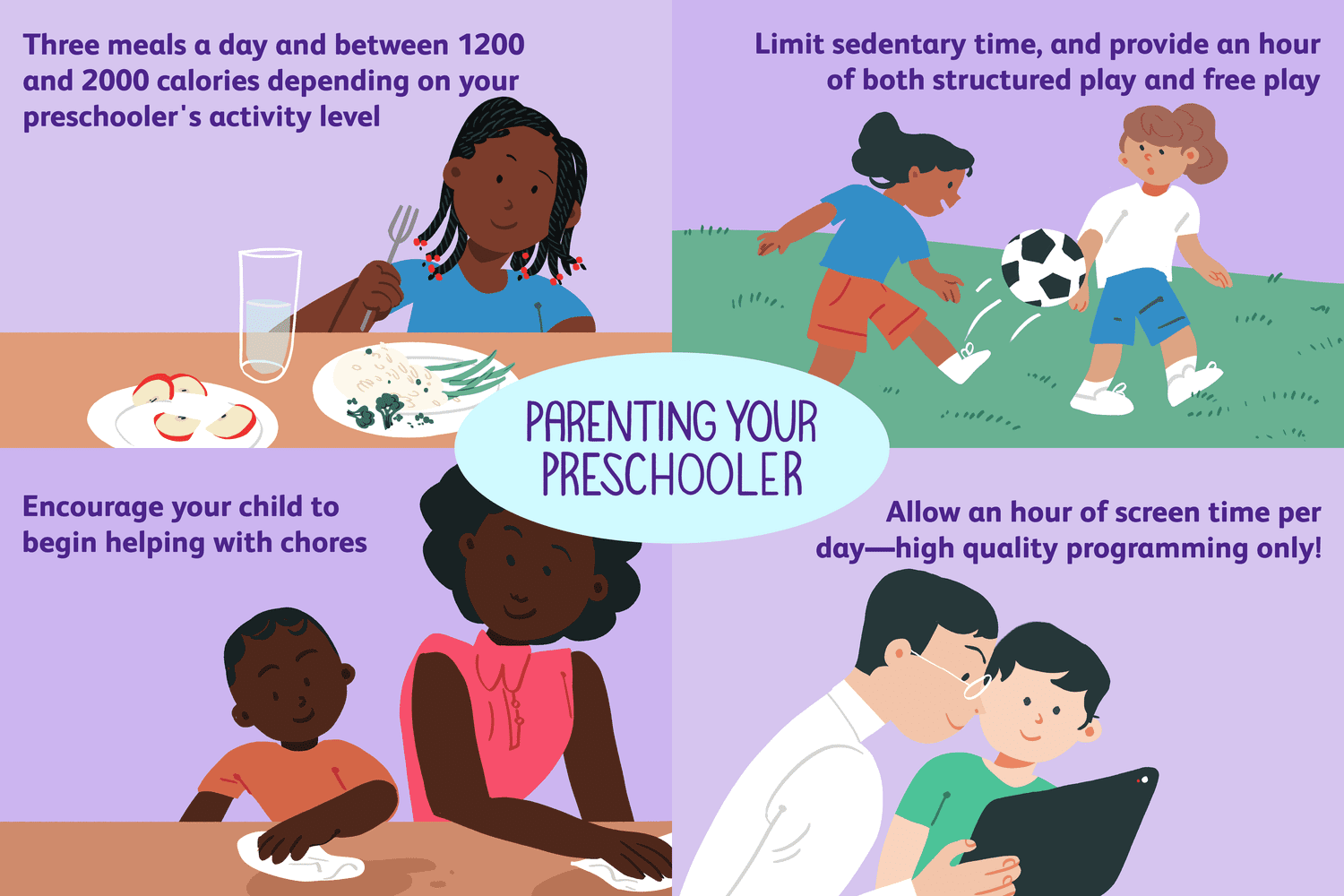
As children enter the preschool years (3 to 5 years), socialization becomes parenting tips . At this stage, children learn to interact with peers and express their emotions more distinctly. Parents should encourage play and social interactions, as these experiences are crucial for developing cooperation and empathy.
The school-age stage (6 to 12 years) emphasizes parenting tips and skill development. Children begin to form their identities and face academic challenges. Parents should support their child’s educational pursuits and encourage a growth mindset, helping them to understand that mistakes are part of learning.
Finally, during adolescence (13 to 18 years), children parenting tips significant emotional and physical changes. It is vital for parents to respect their growing independence while maintaining open communication. Recognizing the emotional turbulence typical of this age can help in providing the necessary support and guidance.
In parenting tips, awareness of these developmental stages can empower parents to tailor their strategies and expectations according to their child’s specific needs, ultimately fostering their child’s happiness and confidence.
Establishing Effective Communication with Your Child
Open and effective communication is fundamental in parenting tips and significantly influences a child’s emotional and social development. When parents foster a safe environment for dialogue, children are more likely to express their thoughts and feelings openly, which can cultivate a stronger parent-child bond. This section explores the importance of communication and provides strategies to enhance meaningful conversations with your children.
One essential parenting tips of effective communication is active listening. Parents should dedicate time to truly understand what their children are saying. This means not just hearing their words but also paying attention to non-verbal cues such as body language and facial expressions. By nodding, maintaining eye contact, and providing appropriate feedback, parents can reassure their children that their feelings are valued. This approach encourages children to articulate their emotions and concerns more freely.
Additionally, parenting tips ought to encourage their children to express their feelings without judgment. Creating an atmosphere where emotional expression is welcomed aids in developing emotional intelligence. Parents can ask open-ended questions and demonstrate curiosity about their child’s experiences. For instance, instead of asking, “Did you have a good day?” consider more open invitations like, “What was the best part of your day?” This variation prompts richer dialogue and provides deeper insight into the child’s thoughts.
Furthermore, utilizing storytelling can be an excellent method for facilitating parenting tips . Sharing personal anecdotes or reading together opens up pathways for discussions about emotions and challenges. parenting tips should be mindful to keep discussions age-appropriate, simplifying complex emotions into relatable terms that children can grasp.
In nurturing effective communication, parents equip their children with the skills needed to articulate feelings, fostering emotional health and confidence as they grow. Ultimately, engaging in consistent and meaningful conversations lays the foundation for lifelong bonds and enhances a child’s ability to navigate various social contexts.
Setting Boundaries and Consistent Discipline
Establishing boundaries for children is a fundamental component in fostering their emotional and social development. Boundaries serve as parenting tips guidelines that help children understand acceptable behavior and the consequences of their actions. When parents set consistent limits, it not only promotes better decision-making skills but also provides children with a sense of security in their environment. Children are more likely to flourish and become confident individuals when they know what is expected of them and can anticipate the results of their actions.
Consistent discipline plays a vital role in reinforcing these parenting tips . It is essential that parents approach discipline in a manner that is both firm and fair. Rather than resorting to harsh punishment, effective discipline should focus on teaching and guiding children toward positive behavior choices. For instance, techniques such as positive reinforcement can be particularly effective; praising children when they exhibit good behavior encourages them to repeat those actions. Additionally, time-outs can provide children with an opportunity to reflect on their behavior away from the situation.
Another parenting tips approach is the use of natural consequences. Allowing children to experience the results of their actions can help articulate the lesson more profoundly than verbal reprimands. For example, if a child refuses to wear a coat on a cold day, they will feel the chill, which ultimately teaches them to make better choices regarding their attire. Furthermore, maintaining open communication about the reasons behind rules and decisions fosters mutual respect and understanding. This dialogue not only clarifies parental expectations but also empowers children by making them active participants in the process of discipline.
In conclusion, setting clear boundaries coupled with consistent and parenting tips discipline techniques is crucial in nurturing happy and confident children. By implementing these strategies, parents can create a stable environment where children can thrive.
Encouraging Independence and Responsibility
Fostering parenting tips in children is a critical component of their development, providing them with the tools necessary for self-sufficiency and confidence. When children are encouraged to take on responsibilities, they learn important life skills, which can greatly enhance their problem-solving abilities and self-esteem. This process of nurturing independence begins at an early age and can be tailored to match the child’s maturity level, making it feasible and impactful.
To effectively cultivate independence, it is beneficial for parents to assign age-appropriate tasks that and instill a sense of responsibility. For younger children, simple chores like tidying up their toys or helping to set the table can be an excellent starting point. Such tasks not only contribute to the household but also allow children to experience the satisfaction of completing a job. As they grow older, responsibilities can evolve to include tasks like managing their own homework schedules or preparing simple meals.
It is essential to offer guidance and support, ensuring that children feel empowered rather than overwhelmed. Encouraging them to make their own parenting tips within a safe framework further enhances their ability to think independently. For instance, allowing children to choose their clothes teaches them decision-making while building their confidence in personal choices.
Additionally, parents should celebrate their children’s accomplishments, no matter how small. Positive reinforcement can significantly boost a child’s self-worth, making them more likely to take on new challenges independently. It is also vital to communicate the importance of responsibility, not only in the context of chores but also in terms of personal relationships and managing commitments.
Incorporating these parenting tips into daily routines sets the stage for children to grow into capable and confident adults who understand the value of independence and responsibility.
Fostering a Healthy Emotional Environment
Creating a nurturing emotional parenting tips at home is crucial for fostering happy and confident children. Children are sensitive to the emotional climate of their surroundings, and a stable emotional environment significantly contributes to their well-being. Parents can adopt several effective techniques to manage stress, demonstrate affection, and validate their children’s feelings.
Managing stress is fundamental. Parents who exhibit healthy coping mechanisms when facing challenges serve as role models for their children. This involves openly discussing feelings and utilizing constructive strategies, such as deep breathing exercises or mindfulness practices, to alleviate tension. By showing children that it is normal to experience stress and providing them with tools to handle it, parents can empower them with resilience and emotional intelligence.
Affectionate behavior is equally important. Regular physical touch, such as hugs, alongside verbal affirmations, plays a significant role in developing a child’s sense of security and self-worth. Expressing love and support consistently reinforces positive emotional health and encourages children to express their own feelings openly. It is vital for children to know they are loved unconditionally; this affirmation enables them to develop healthy relationships with themselves and others.
Additionally, validating children’s feelings is a fundamental aspect of fostering a supportive emotional environment. Instead of dismissing or minimizing their emotions, parents should actively listen and acknowledge their children’s feelings. This practice not only helps children feel heard and understood but also teaches them how to navigate complex emotions. By fostering an environment where feelings are recognized and discussed openly, parents contribute significantly to the development of emotional resilience and confidence in their children.
Promoting Positive Social Interactions
Developing social skills is a crucial aspect of child development, significantly impacting their ability to create lasting friendships, cooperate with peers, and negotiate conflicts. Children learn to navigate social scenarios primarily through observation and interaction, making parental guidance essential for fostering positive relationships. Parents play a vital role in facilitating these interactions and equipping their children with the tools necessary to succeed socially.
One effective strategy for promoting social skills is through role-playing different scenarios at home. By acting out various social situations, children can develop their responses to challenges they might face with peers. For instance, parents can simulate situations like sharing toys, asking to join a game, or calming down after a disagreement. This practice not only builds confidence in children but also helps them learn the vocabulary and phrases required for effective communication.
Encouraging participation in group activities provides children with opportunities to practice their social skills in real settings. Whether it’s enrolling them in team sports, joining clubs, or participating in community programs, such experiences teach children the importance of teamwork, empathy, and problem-solving. These group interactions help children understand diverse perspectives and improve their ability to connect with others.
Conflict resolution is another key element of social interaction. Parents can teach their children strategies for resolving disputes amicably, emphasizing listening skills and expressing feelings calmly. Encouraging children to identify their emotions and articulate them can lead to more thoughtful discussions among peers. Additionally, teaching them to take turns, share, and respect others’ viewpoints fosters a sense of mutual respect and cooperation.
By promoting positive social interactions through targeted activities and guidance, parents can significantly influence their children’s ability to build strong friendships and handle conflicts effectively. This foundation not only supports their immediate social needs but also lays the groundwork for healthy relationships throughout their lives.
Boosting Academic and Extra-Curricular Engagement
Engaging children in academic and extra-curricular activities is fundamental to nurturing their personal development and ensuring their long-term happiness and confidence. By providing a robust support system, parents can create an environment where educational endeavors, as well as physical and creative pursuits, are valued and encouraged.
One effective approach for parents is to establish a collaborative relationship with their child’s educators. Attending parent-teacher conferences, volunteering in the classroom, and maintaining open lines of communication about academic progress can all foster a supportive educational environment. This involvement not only demonstrates to children that their education is important but also allows parents to gain insight into their child’s learning style and areas needing further development.
Outside the classroom, exploring extra-curricular activities can significantly enhance a child’s social skills, leadership abilities, and self-esteem. Parents should actively encourage their children to explore various interests, whether it is sports, music, arts, or clubs. Supporting participation in these activities conveys the message that exploration and creativity are integral aspects of learning and growth.
Moreover, parents can boost academic engagement at home by creating designated study spaces that are conducive to learning. Encouraging consistent study habits, reading together, and discussing educational topics can stimulate intellectual curiosity. Such interactions help children to see learning as a lifelong pursuit. Furthermore, integrating educational games or online resources can make learning engaging and enjoyable.
Ultimately, fostering both academic success and extra-curricular participation is about balance. It is crucial for parents to remain attentive to their child’s needs and interests, ensuring that their pursuits align with personal passions rather than external pressures. This balance will equip children with the confidence and skills necessary to thrive in various facets of life.
Conclusion and Final Parenting Tips
In summary, parenting is a journey that requires parenting tips, adaptability, and a deep understanding of each child’s unique personality and needs. Throughout this blog post, several essential tips have been discussed, focusing on fostering happiness and confidence in children. Among these, open communication, positive reinforcement, and the importance of setting consistent boundaries have been highlighted as foundational elements for nurturing a supportive environment.

It is crucial to remember that every family is distinct, with its own set of challenges and dynamics. Therefore, while the strategies mentioned can provide valuable guidance, parents are encouraged to adapt these tips to suit their individual circumstances. Take the time to reflect on what works best for your family’s specific context, considering variations in culture, values, and experiences.
Moreover, the importance of seeking external support cannot be overstated. Parenting resources—such as workshops, support groups, and professional advice—can offer insight and additional strategies that may prove beneficial during challenging times. Engaging with fellow parents can also foster a sense of community, providing both encouragement and shared experiences.
Ultimately, raising children requires a balance of love, discipline, and realism. By embracing flexibility and continuously learning, parents can cultivate an environment that not only raises happy and confident children but also promotes their own growth as caregivers. Always remain open to new ideas and approaches, as the journey of parenting is ongoing and ever-changing.
